

Manual breast pumping is a popular choice for many mothers thanks to its low cost and simple operation. Here’s what a manual breast pump is, how to use one correctly, and what to know about storage and cleaning.
What Is a Manual Breast Pump?
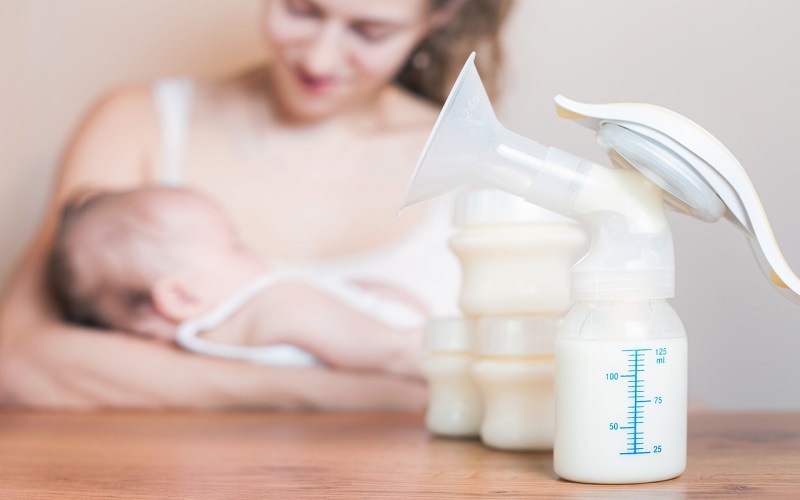
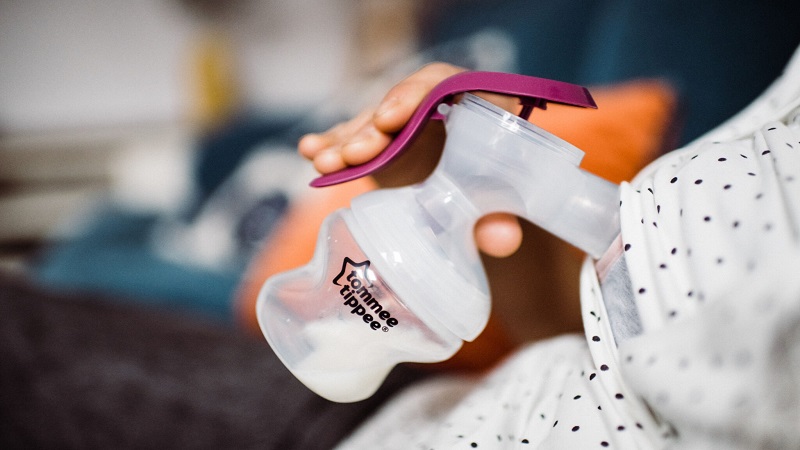
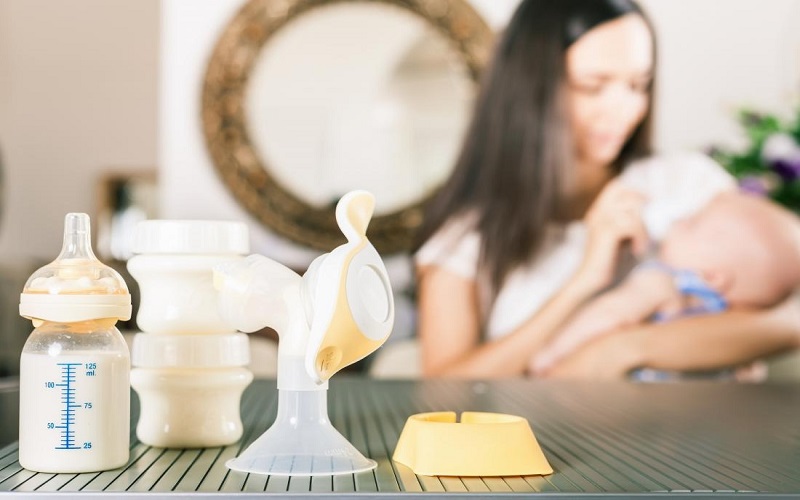
A manual breast pump is a hand-operated device used to express breast milk. It typically consists of a breast shield (flange), a hand lever or squeeze handle, and a milk collection container. The simple design makes it easy to assemble, use, and clean.
How to Use a Manual Breast Pump
Step 1: Wash Your Hands and Clean Your Equipment
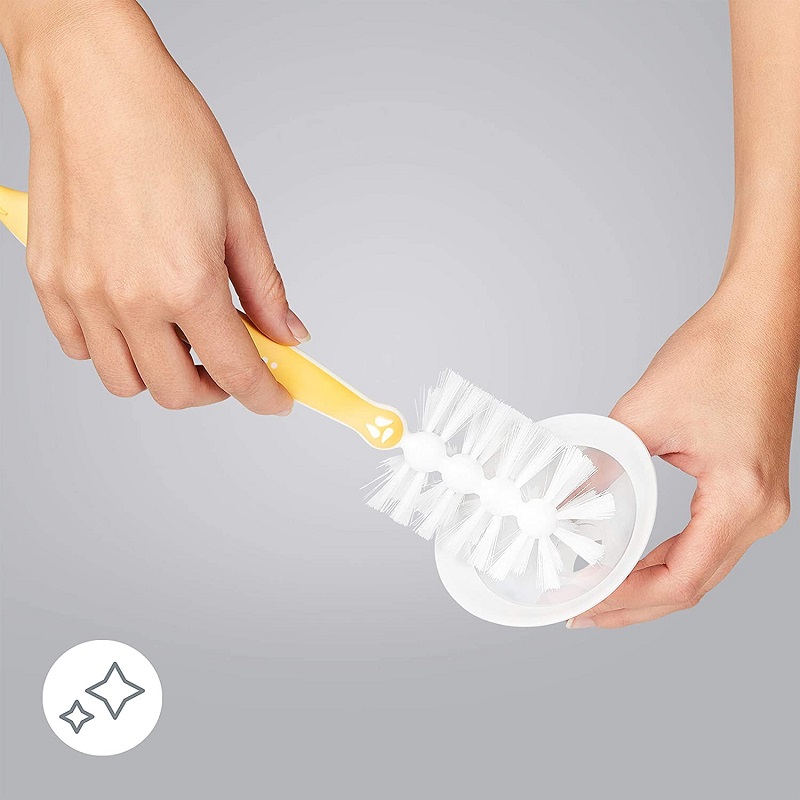
Wash your hands thoroughly before handling your breasts or pump parts, and make sure all pump components have been properly washed and, per your pediatrician’s guidance, sanitized. This reduces the risk of contamination and keeps your milk supply clean and safe.
Step 2: Position the Breast Shield
Center the breast shield (flange) over your nipple with a snug, comfortable seal. A properly sized flange matters more than pump type for comfort and effective milk removal — too small or too large a flange can cause discomfort or reduce efficiency regardless of whether you’re using a manual or electric pump. If you’re unsure about flange size, a lactation consultant can help you find the right fit.

Step 3: Begin Pumping
Squeeze the handle or lever with a steady, comfortable rhythm to stimulate let-down. Start with shorter, faster strokes to encourage let-down, then switch to slower, fuller strokes once milk starts flowing. The suction should feel like gentle pulling, never painful — if it hurts, ease off or reposition the flange.

Step 4: Pump for About 15–20 Minutes Per Breast
Most sessions take roughly 15–20 minutes per breast to adequately drain the breast and signal your body to keep producing milk. Pumping for too short a time can leave milk behind and reduce your supply over time, while pumping longer than needed without more milk coming out mainly adds fatigue without added benefit.
Step 5: Feed, Store, and Clean Up
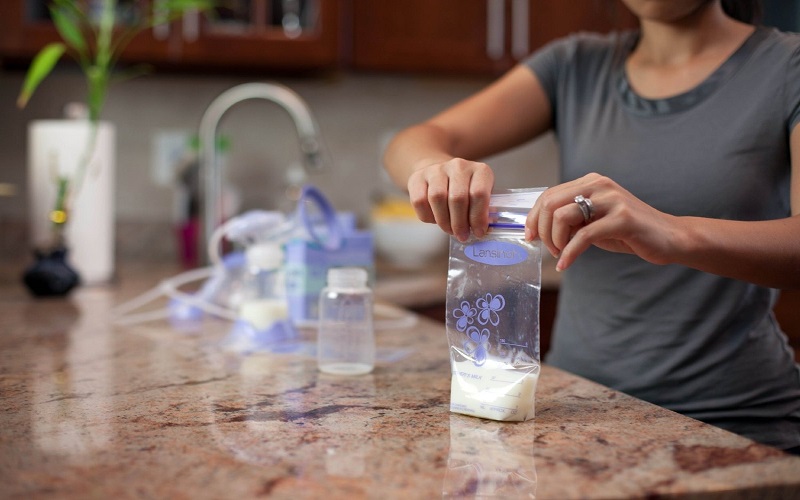
Once you’re done, you can feed your baby right away or store the milk for later. Follow CDC storage guidelines to keep milk safe and fresh:
- Room temperature (up to 77°F/25°C): Use within 4 hours for best quality and safety.
- Refrigerator (40°F/4°C or colder): Good for up to 4 days.
- Freezer: Best used within 6 months, though it can remain safe for up to 12 months in a deep freezer. Use a dedicated storage bag or container and label with the date.
Milk stored longer than these windows isn’t necessarily unsafe, but quality and some nutrient content can decline, so these ranges represent the best balance of safety and quality.
After pumping, clean your equipment promptly:
- Take apart all pump components.
- Rinse with cool water first to remove milk residue, then wash with hot, soapy water (or run dishwasher-safe parts through the dishwasher).
- Rinse thoroughly with clean water.
- Sanitize components periodically — by boiling, steam sterilizing, or using a bottle sterilizer — especially important for babies under 3 months, premature babies, or babies with a weakened immune system. For healthy older infants, thorough washing after each use is generally sufficient, with sanitizing once a day as an added precaution.
- Air-dry completely on a clean towel or drying rack before reassembling.
A few practical tips: avoid unregulated or unknown cleaning chemicals on pump parts; if you can’t clean immediately, briefly soaking parts in water helps prevent milk residue from hardening; and sanitize new pump parts before their first use.
Tips for More Effective Manual Pumping
Stay Hydrated
Since breast milk is mostly water, staying well hydrated throughout the day supports your overall milk supply. There’s no need for a specific “pre-pumping” ritual like chugging water right beforehand — consistent hydration across the day matters more than timing it around a single session.

Combine Pumping With Breast Massage
Gently massaging your breasts before and during pumping can support better milk flow and help prevent blocked ducts and engorgement — this is genuinely well-supported. A warm compress before pumping can also help encourage let-down.

Find a Comfortable, Supportive Position
Sit upright with good back support — leaning back slightly rather than hunching forward — to pump comfortably and avoid strain. Prolonged poor posture during pumping sessions can contribute to back and neck discomfort over time, so a supportive chair and good posture genuinely make a difference.

Benefits of Manual Breast Pumps
- Affordable: Typically $10–$120, significantly less than most electric pumps.
- Compact and durable: Fewer parts and no motor means less that can break.
- Easy to clean: Simple construction disassembles and cleans quickly.
- Fully portable: No power source or batteries needed — useful for travel or occasional use away from home.
- Adjustable by feel: You control suction directly with your hand, which some mothers find gives them more precise control over comfort.
Drawbacks of Manual Breast Pumps
- More physically tiring: Since you’re powering the suction by hand, longer or frequent sessions can lead to hand and wrist fatigue.
- Slower for double pumping: Manual pumps only work one breast at a time (unless you have two and a helper), which takes longer than pumping both breasts simultaneously with a double electric pump.
- Less consistent suction: Suction depends on your hand strength and rhythm, which can vary session to session compared to a motor-driven pump.

Manual vs. Electric: Which Should You Choose?
| Criteria | Manual Pump | Electric Pump |
|---|---|---|
| Cost | About $10–$120 | About $100–$500+, depending on features |
| Speed | Slower, especially pumping one side at a time | Faster, especially double electric pumps (both breasts at once) |
| Comfort | Comfort depends on hand technique and flange fit; no motorized massage setting | Many models include adjustable suction and massage-mode settings, though comfort still depends on correct flange fit |
| Portability | No power needed — fully portable anywhere | Requires a power source or battery; often bulkier, though wearable/battery models have improved portability |
| Safety for breast tissue | Safe when suction and flange fit are appropriate | Equally safe when suction and flange fit are appropriate — nipple or tissue irritation with either type usually comes down to incorrect fit or excessive suction, not the pump type itself |
| Typical session time | Roughly 30–40 minutes for both breasts, pumped one at a time | Roughly 10–20 minutes with a double pump, or 20–30 with a single |
The right choice depends on your budget, how often you’ll pump, and your lifestyle. A manual pump is a great fit for occasional use, travel, relieving engorgement, or as an affordable backup — many mothers keep one on hand even if they primarily use an electric pump. If you’re exclusively pumping or pumping frequently for work, an electric (especially double) pump will generally save you significant time and effort. Neither option is inherently “better” for your health — both are safe and effective when used correctly.

Manual breast pumps are an affordable, portable, and genuinely effective option for many breastfeeding mothers — the right choice ultimately comes down to your budget, how often you pump, and personal preference. (For a deeper comparison, see our guide on the pros and cons of breast pumping, and our essentials guide for breast milk pumping for more tips.) This article is intended for general education — a lactation consultant can offer personalized guidance if you’re having trouble with supply, latch, or pump fit.
Frequently Asked Questions
How long should I pump with a manual breast pump?
About 15–20 minutes per breast is typical, allowing enough time to adequately drain the breast without excessive strain on your hand.
How long can pumped breast milk be stored?
Per CDC guidelines: up to 4 hours at room temperature, up to 4 days in the refrigerator, and up to 6 months in a standard freezer (up to 12 months in a deep freezer) for best quality.
Is a manual or electric breast pump better?
Neither is inherently better — it depends on your needs. Manual pumps are more affordable and portable, good for occasional use or travel. Electric pumps are faster and better suited for frequent or exclusive pumping. Both are safe when the flange fits properly and suction is comfortable.
Does drinking water right before pumping increase milk supply?
Not in a significant, immediate way. Overall hydration throughout the day supports milk production more than a specific pre-pumping ritual. Frequency and effectiveness of milk removal is the biggest driver of supply.
Does breast massage while pumping actually help?
Yes. Gentle massage can support better milk flow and help prevent blocked ducts and engorgement. It's a well-supported technique, though it isn't a proven way to prevent breast cancer, despite that claim sometimes circulating.
References
- Centers for Disease Control and Prevention (CDC) — proper storage and preparation of breast milk (cdc.gov).
- La Leche League International — pumping techniques and troubleshooting (llli.org).
- American Academy of Pediatrics — breast pump cleaning and sanitizing guidance (healthychildren.org).