
Fever and pain are common for new mothers, and acetaminophen (paracetamol) is often the first medication that comes to mind. But is it actually safe while breastfeeding, and what’s the correct dose for both mothers and children? Here’s an accurate, up-to-date guide.
Acetaminophen: Drug Overview
Acetaminophen has been on the WHO List of Essential Medicines since 1977. It relieves pain and reduces fever, though unlike ibuprofen or aspirin, it doesn’t reduce inflammation.
Common Brand Names
In the U.S., the most widely recognized brand is Tylenol, along with numerous store-brand and generic versions. Internationally, other brand names include Panadol, Efferalgan, and Hapacol — all built around the same active ingredient, acetaminophen.
Available Forms and Strengths
Acetaminophen is available in several forms:
- Tablets and caplets: Common adult strengths include 325mg (regular strength) and 500mg (extra strength).
- Liquid suspension: Standardized at 160mg/5mL for infants and children in the U.S. since 2011, when the FDA worked with manufacturers to reduce dosing confusion from multiple concentrations.
- Chewable tablets: Typically 160mg per tablet for children.
- Rectal suppositories: Less commonly used in the U.S. than oral forms, but available (brands like FeverAll) in various pediatric and adult strengths, generally used when a child can’t take medication orally.

Adult Dosage
- Standard dose: 325–650mg every 4–6 hours, or 1000mg (extra strength) every 6–8 hours.
- Maximum total daily dose: generally no more than 3,000–4,000mg (3–4 grams) in 24 hours from all sources combined — including any combination cold/flu products that also contain acetaminophen. Many current guidelines now suggest 3,000mg/day as a more conservative everyday ceiling, reserving up to 4,000mg for short-term use under medical guidance. Always check labels carefully, since acetaminophen is included in many multi-symptom products, and it’s easy to unintentionally double up.
Children’s Dosage — Always Weight-Based
This is the single most important safety point in this entire article: pediatric acetaminophen dosing should always be based on your child’s weight, not age alone, and the correct dose is 10–15mg per kilogram of body weight per dose, given every 4–6 hours, with no more than 5 doses in 24 hours. Using the wrong concentration or a flat, age-based estimate instead of your child’s actual weight is one of the most common causes of accidental acetaminophen overdose in children.
For infants and toddlers specifically, use the pediatric dosing chart provided by the product (many are based on the AAP’s own published charts), which convert weight into the correct volume of liquid or number of chewable tablets. If you’re ever unsure, calling your pediatrician or pharmacist to confirm the right dose for your child’s specific weight is always the safer choice than estimating.
Newborns and infants under 3 months with a fever should generally be evaluated by a doctor before giving any medication, since a fever at this age can indicate a more serious underlying issue that needs prompt evaluation — this isn’t a situation for home dosing without medical guidance first.
Common Uses
- Headaches: Including tension headaches and mild migraines.
- Muscle and body aches: Minor strains, general soreness, and lower back pain.
- Mild joint pain: Provides pain relief, though it doesn’t reduce joint inflammation or swelling the way NSAIDs do.
- Toothaches and sore throat
- Menstrual cramps
- Fever, including cold and flu symptoms

Side Effects
Acetaminophen is generally well tolerated, but seek medical attention if you notice:
- Shortness of breath, hives, or swelling of the lips, tongue, face, or throat (possible allergic reaction)
- Yellowing of the skin or eyes (jaundice)
- Dark urine or unusually dark, tarry stools
- Nausea, vomiting, stomach pain, or loss of appetite — especially if these appear a day or more after taking the medication, since they can be early signs of liver stress
Overdose is a serious concern with this medication and is one of the leading causes of acute liver failure in the U.S. If you suspect an overdose — your own or a child’s — call Poison Control at 1-800-222-1222 (U.S.) immediately, even if the person seems fine, since early symptoms of acetaminophen overdose can be deceptively mild before liver damage becomes apparent.

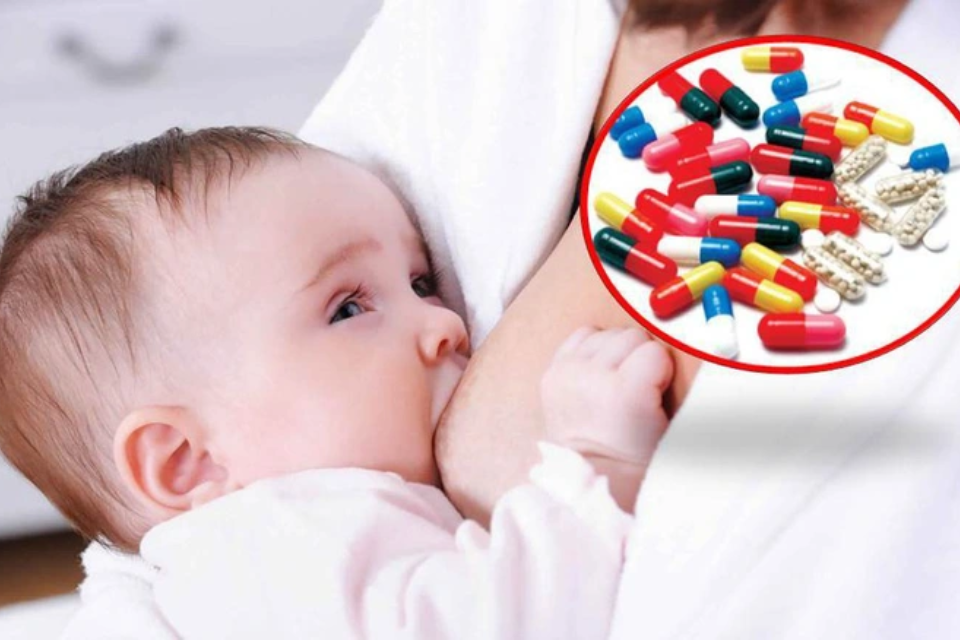
Is Acetaminophen Safe for Breastfeeding Mothers?
Yes. Acetaminophen is widely considered one of the safest pain and fever medications for breastfeeding mothers by organizations including the American Academy of Pediatrics.
Research indicates only a small fraction of the maternal dose transfers into breast milk, resulting in a very low relative infant dose — well within the range considered compatible with breastfeeding by lactation-safety references like LactMed. At standard doses, it hasn’t been shown to cause problems for nursing infants.
That said, it’s still worth telling your doctor about any medications you’re taking regularly, any known allergies, and your baby’s health history — this helps them confirm the right choice and dose for your specific situation.
Acetaminophen Dosage for Breastfeeding Mothers
Dosing for breastfeeding mothers is the same as for any other adult — there’s no special reduced dose needed specifically for breastfeeding, since so little passes into milk:
- For fever or pain: 325–650mg every 4–6 hours, or up to 1000mg every 6–8 hours if using extra-strength tablets.
- Maximum: Stay under 3,000–4,000mg total in 24 hours, using the lowest effective dose for the shortest time needed.

Guidelines for Breastfeeding Mothers Using Acetaminophen
- Check with your doctor first if you have specific risk factors: This matters especially if your baby was born prematurely, has a low birth weight, or has a known health condition. Also check the label carefully to avoid products that combine acetaminophen with codeine or other opioids, which carry separate breastfeeding safety concerns.
- Use the lowest effective dose for the shortest time: This is good practice with any medication while breastfeeding.
- Don’t combine with other medications without checking first: Many cold, flu, and pain products already contain acetaminophen — combining products can lead to accidentally exceeding the safe daily maximum.
- Watch your baby for any unusual signs: While reactions are rare given how little acetaminophen reaches breast milk, contact your doctor if your baby seems unusually drowsy, is feeding poorly, or shows any concerning symptoms.
- Limit alcohol: Since acetaminophen is processed by the liver, regularly combining it with alcohol increases the risk of liver stress — worth avoiding in general, and especially while using this medication regularly.

When to Use Extra Caution or Avoid Acetaminophen
- Liver Disease: Acetaminophen is processed by the liver, and in people with significant liver impairment, it can accumulate to harmful levels more easily. Anyone with known liver disease should get a doctor’s specific guidance before use.
- Regular Heavy Alcohol Use: This significantly raises the risk of liver damage from acetaminophen, even at doses that would otherwise be considered safe.
- G6PD Deficiency: G6PD deficiency is a genetic condition that makes red blood cells more vulnerable to breaking down (hemolysis) when exposed to certain oxidative triggers, including some medications. Acetaminophen is generally considered a lower-risk option compared to several other common drugs for people with G6PD deficiency, but caution and medical guidance are still reasonable, especially at higher or prolonged doses. If your baby has known G6PD deficiency, mention this to your pediatrician before regularly using acetaminophen while breastfeeding.
Note: general anemia (unrelated to G6PD deficiency) is not typically considered a standard reason to avoid acetaminophen at normal doses — if you have a specific blood condition and questions about medication safety, your doctor or hematologist can give guidance tailored to your situation.

Acetaminophen is a safe, effective, and well-studied option for both breastfeeding mothers and children when dosed correctly. The most important safety habit — for adults and especially for children — is dosing by weight (for kids) and tracking your total daily intake from all sources, since accidental overdose is the real risk with this otherwise very safe medication. This article is intended for general education and isn’t a substitute for personalized medical advice — when in doubt about a dose, call your doctor, pharmacist, or Poison Control (1-800-222-1222 in the U.S.) rather than guessing.
Frequently Asked Questions
Is it safe to take acetaminophen (Tylenol) while breastfeeding?
Yes. Acetaminophen is considered one of the safest pain and fever medications during breastfeeding, with only a small amount passing into breast milk. Standard adult doses are generally fine, though it's worth mentioning any medications to your doctor.
What is the correct acetaminophen dose for a child?
Pediatric dosing should always be based on weight: 10–15mg per kilogram per dose, every 4–6 hours, with no more than 5 doses in 24 hours. Never estimate by age alone — use a weight-based dosing chart or check with your pediatrician or pharmacist.
How much acetaminophen is too much in a day?
For adults, staying under 3,000–4,000mg total per day from all sources is the general safety guideline, with many current recommendations favoring the more conservative 3,000mg limit for everyday use. Check labels carefully, since many combination cold and flu products also contain acetaminophen.
What should I do if I think someone took too much acetaminophen?
Call Poison Control immediately at 1-800-222-1222 (U.S.), even if the person seems fine — early overdose symptoms can be mild while liver damage is already underway. Don't wait for symptoms to appear before seeking help.
Is acetaminophen safe for babies with G6PD deficiency?
It's generally considered a lower-risk option compared to many other drugs, but caution is still reasonable. If your baby has G6PD deficiency, mention this to your pediatrician before using acetaminophen regularly, whether taken by you while breastfeeding or given directly to your child.
References
- American Academy of Pediatrics — acetaminophen dosing chart and medication safety for children (healthychildren.org / downloads.aap.org).
- U.S. National Library of Medicine, LactMed Database — acetaminophen and lactation (ncbi.nlm.nih.gov/books/NBK501200).
- U.S. Food and Drug Administration — acetaminophen dosing standardization and overdose risk (fda.gov).
- National Poison Control Center — 1-800-222-1222 (poison.org).
- G6PD Deficiency Association / NIH Genetic and Rare Diseases Information Center — medication precautions in G6PD deficiency (rarediseases.info.nih.gov).