

Whether you’re just starting to pump or gearing up for a return to work, having the right essentials on hand — and knowing your rights — makes the whole process significantly less stressful. Here’s a practical rundown of what actually matters.
Choosing Your Pump
Manual, single electric, and double electric pumps all have their place depending on how often you’ll pump. If you’re pumping occasionally, a manual or single electric pump may be enough; if you’re pumping regularly for work or building a supply, a double electric pump will save significant time. For a deeper comparison, see our guides on manual breast pumping and the pros and cons of pumping to help decide what fits your situation.
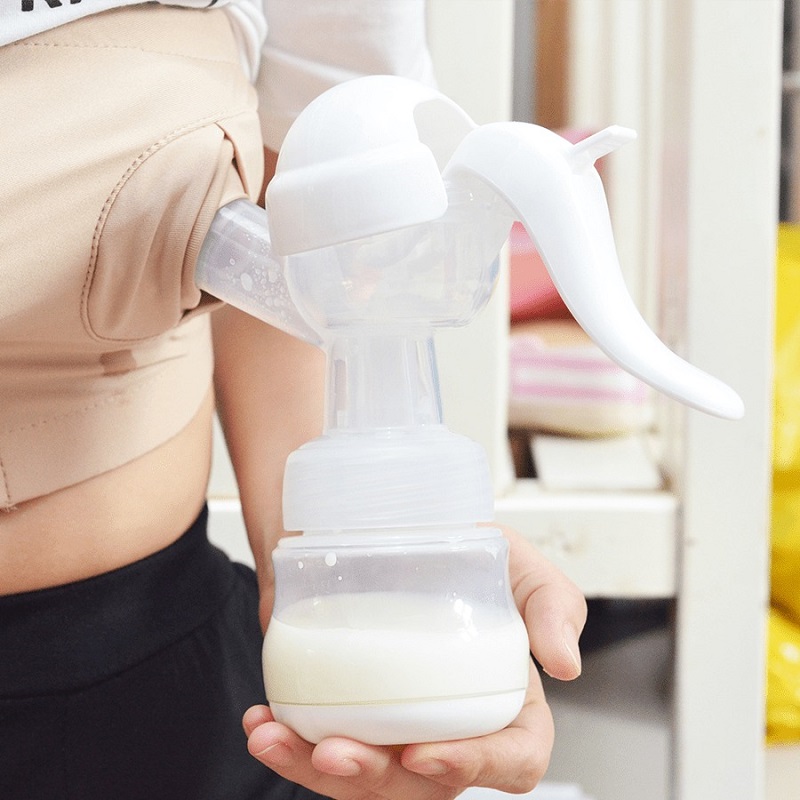
The Essential: Correct Flange Size
This is one of the most overlooked pumping essentials, and it makes a real difference in both comfort and how effectively you empty your breasts. The flange (the funnel-shaped piece that fits over your nipple) needs to be sized correctly — too small, and your nipple rubs painfully against the tunnel walls; too large, and too much areola gets pulled in, which can also reduce efficiency and cause discomfort. Signs your flange size is off include pain during pumping, reduced milk output, or nipple discoloration or soreness after sessions. Many manufacturers offer a range of flange sizes beyond what comes standard with the pump — a lactation consultant can help you find the right fit if you’re not sure.
Storage Supplies
- Breast milk storage bags or containers: Specifically designed for freezing and storing milk, these are more practical than repurposed containers for stacking, labeling, and freezer storage.
- Labels: Date every bag or bottle, and if the milk will be used by daycare or another caregiver, include your baby’s name per most daycare policies.
- A cooler bag with ice packs: Essential for transporting milk from work or while out, keeping it at a safe temperature until you can refrigerate or freeze it.
For accurate storage timeframes and safe warming techniques, see our guide on properly warming and storing breast milk.
Cleaning Supplies
Pump parts that contact milk need to be washed after every use — a dedicated bottle brush, a basin used only for pump parts (rather than the general kitchen sink), and a drying rack all make this easier to manage consistently. Many parts are also dishwasher-safe on a top rack, which can save time. Sanitizing (via boiling, a steam bag, or a dedicated sterilizer) once a day is generally recommended, especially for younger infants.
A Hands-Free Pumping Bra
This small investment makes a genuinely large difference in daily practicality, letting you use both hands for other tasks (working, eating, scrolling your phone, holding another child) during a pumping session rather than holding the pump flanges in place the whole time.

Know Your Workplace Rights
If you’re returning to work, it’s worth knowing that federal law protects your right to pump. Under the PUMP for Nursing Mothers Act (2022), which expanded the earlier Break Time for Nursing Mothers law, most employees are entitled to:
- Reasonable break time to pump, for up to one year after your child’s birth
- A private space to pump that is functional, shielded from view, free from intrusion, and is not a bathroom
These protections apply to nearly all employees regardless of gender, and cover most workers, including many who weren’t covered under the original 2010 law (like teachers, nurses, and agricultural workers). Pumping breaks can be unpaid unless required otherwise by state or local law, but if you’re not fully relieved of work duties during your pump break, that time generally must be paid. If your employer isn’t providing appropriate space or break time, the U.S. Department of Labor’s Wage and Hour Division is the resource to contact.
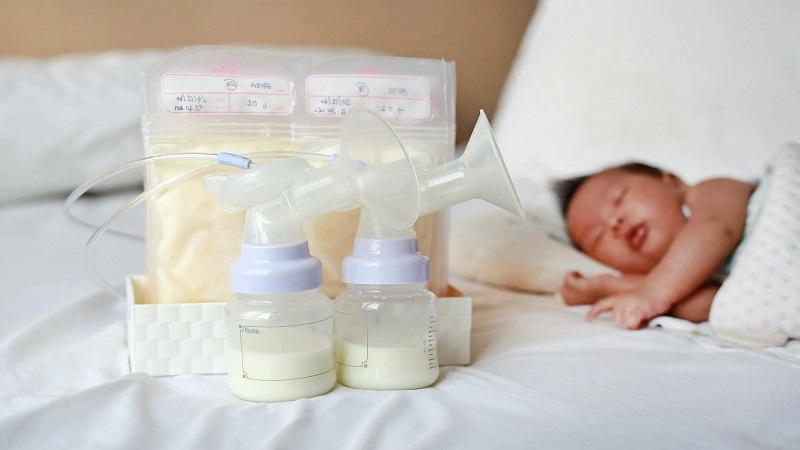
Building a Pumping Routine at Work
- Plan your schedule in advance: Most people need two to four pumping sessions of about 15–20 minutes during an 8-hour workday to maintain supply — talk to your employer ahead of time about a realistic schedule.
- Keep a small kit at work: A spare set of pump parts, extra storage bags, and cleaning wipes for a quick clean between sessions if a sink isn’t nearby can save real hassle.
- Communicate with your employer early: Discussing your pumping needs before you return to work, rather than figuring it out on your first day back, tends to go more smoothly for everyone.
Having the right equipment, correct flange sizing, and a clear understanding of your workplace rights takes a lot of the stress out of pumping, whether you’re doing it occasionally or as a regular part of your routine. (For more on building and maintaining your supply, see our guide on using a breast pump to build milk supply.) This article is intended for general education; a lactation consultant can offer guidance tailored to your specific situation.
Frequently Asked Questions
How do I know if my pump flange is the right size?
Signs of an incorrect fit include pain during pumping, reduced milk output, or nipple soreness or discoloration afterward. Many brands offer multiple flange sizes beyond the standard one included with the pump, and a lactation consultant can help you find the right fit.
Am I legally entitled to pump at work?
Yes. Under the federal PUMP for Nursing Mothers Act, most employees are entitled to reasonable break time and a private, non-bathroom space to pump for up to one year after their child's birth, regardless of gender.
Do I have to be paid during pumping breaks at work?
It depends. Pumping breaks can be unpaid unless state or local law requires otherwise, but if you're not fully relieved of your work duties during the break, that time generally must be paid under federal law.
How often should I pump during a work day?
Most people need about two to four sessions of 15–20 minutes during an 8-hour workday to maintain their supply, though this varies by individual — planning your schedule with your employer in advance helps.
What cleaning routine should I follow for pump parts?
Wash all parts that contact milk after every use with hot, soapy water (many are also dishwasher-safe), and sanitize once a day via boiling, a steam bag, or a dedicated sterilizer, especially for younger infants.
References
- U.S. Department of Labor — PUMP Act protections for nursing employees (dol.gov/agencies/whd/pump-at-work).
- Centers for Disease Control and Prevention (CDC) — proper storage and cleaning of breast pump equipment (cdc.gov).
- La Leche League International — pumping essentials and troubleshooting (llli.org).