

A breast pump does more than just express and store milk — used consistently, it’s also one of the most effective tools for building or restoring milk supply. Here’s an accurate, practical guide to using a pump to stimulate milk production.
When Might You Need to Stimulate Milk Supply?
Delayed Milk Coming In
It’s common for milk to take a few days to “come in” after birth, and in some cases it can be slower or lower in volume than expected at first. Pumping regularly during this window can help encourage your body to ramp up production.

Ongoing Low Milk Supply
Some mothers find they aren’t producing quite enough milk to meet their baby’s needs, which can relate to overall health, nutrition, stress, or how often and effectively milk is being removed from the breast. Regular pumping — sometimes combined with gentle massage — can help signal the body to increase production over time.

A Drop in Supply After Establishing Breastfeeding
Supply can dip due to less frequent nursing, a change in routine, inadequate nutrition or hydration, or hormonal factors. Regular pumping helps keep the breasts stimulated and signals the body to maintain or rebuild production. If you notice a sudden or significant drop in supply — especially alongside other symptoms like fatigue, hair loss, or feeling unwell — it’s worth mentioning to your doctor, since occasionally an underlying medical cause needs to be ruled out.

Two Approaches to Building Supply With a Pump
Method 1: Nurse and Pump Together
One effective approach is nursing your baby on one side while pumping the other, or pumping right after a nursing session to fully drain the breast. This keeps both breasts well-stimulated, helps prevent blocked ducts, and can be a time-efficient way to build supply while still nursing directly.

Method 2: Exclusive Pumping
For mothers pumping exclusively or working to significantly boost supply, consistency is key. Lactation experts generally recommend pumping about 8 to 12 times in 24 hours (roughly every 2–3 hours, including at least once overnight) to closely mimic a newborn’s natural feeding pattern and maximize the hormonal signal for milk production.
The exact schedule that works best depends on your life and goals:
- Building supply quickly (e.g., after a supply dip): Pumping every 2–3 hours, including overnight, is typically most effective, even though it’s demanding.
- Maintaining an established supply: Once supply is stable, spacing sessions to every 3–4 hours often works well for many mothers.
If a 2-hour schedule feels unsustainable, especially overnight, a 3-hour schedule or incorporating direct nursing for some sessions can make things more manageable without sacrificing much progress. Most sessions run 15–20 minutes per breast (or 15–20 minutes total with a double pump) — pumping well beyond this without additional milk coming out mainly adds fatigue rather than meaningfully more milk.
Building supply takes patience. It’s normal to see only small amounts in the first several days of consistent pumping — supply typically builds gradually with regular, consistent removal rather than increasing dramatically overnight.
Once supply is well-established, many mothers relax to pumping 4–5 times a day, spaced 4–5 hours apart, adjusting around nursing and daily schedule. If your baby doesn’t nurse directly for a particular feeding, pumped milk can be stored and offered later.

Tips for More Effective Pumping
Massage Before and During Pumping
Gently massaging your breasts before and during pumping can help encourage let-down and support more complete milk removal — genuinely useful for milk flow and reducing the risk of blocked ducts. (Claims that breast massage prevents breast cancer or tumors go beyond the evidence — its real, well-supported benefits are for milk flow and duct health.)
- Apply a warm, damp towel to your breast for a couple of minutes.
- Gently massage in a circular motion with your fingers.
Doing this a few times a day, for a few minutes each time, alongside your pumping sessions can help.

Stay Hydrated
Since breast milk is mostly water, good overall hydration throughout the day supports supply. There’s no strong evidence for a specific “drink this right before pumping” trick — consistent hydration across the day matters more than timing a glass of water around a session.

Good Posture and a Comfortable Setup
Sit upright with good back support rather than hunching forward, which can help with comfort and effective milk removal over a longer session. A double electric pump can save time and reduce fatigue if you’re pumping frequently. Doing something relaxing during a session — music, a show, or just sitting quietly — can also help with let-down, since stress and tension can make it harder for milk to flow.

Nutrition While Breastfeeding
A well-rounded diet supports overall milk production. Certain foods — like papaya, oats, fenugreek, and leafy greens — are traditionally believed in many cultures to support milk supply, though scientific evidence for specific “milk-boosting” foods is generally limited and mixed. They’re reasonable, low-risk additions to a varied diet, but they aren’t a substitute for frequent, effective milk removal, which remains the biggest driver of supply.
What’s better established: your body needs consistent energy to support milk production, so regular meals matter more than any specific superfood. Skipping meals can contribute to fatigue and may affect supply over time. Aim for three balanced meals plus a couple of snacks across the day rather than going long stretches without eating.

Choosing a Breast Pump
Set a Realistic Budget
Breast pumps range widely in price — roughly $10–$60 for basic manual pumps, $100–$300 for standard electric pumps, and $300–$500+ for higher-end double electric or wearable pumps. Many U.S. health insurance plans are required to cover a breast pump at little or no cost under the Affordable Care Act, so it’s worth checking with your insurance provider before purchasing one out of pocket.
Choose a Reputable Brand
Stick with well-established, widely available brands to ensure quality and safety — in the U.S., common options include Medela, Spectra, Elvie, Willow, Motif, and Philips Avent. Research the specific model, read reviews, and buy from a reputable retailer to avoid counterfeit or substandard products.

Check the Warranty
Most breast pump motors come with a warranty of around 12–24 months. Choosing a model with solid warranty coverage gives you peace of mind if something goes wrong with the motor.

Confirm Replacement Parts Are Easy to Find
Valves, tubing, and breast shields wear out or need replacing over time. Choosing a pump with widely available replacement parts (many major brands sell these directly or through common retailers) helps you avoid interruptions to your pumping routine.
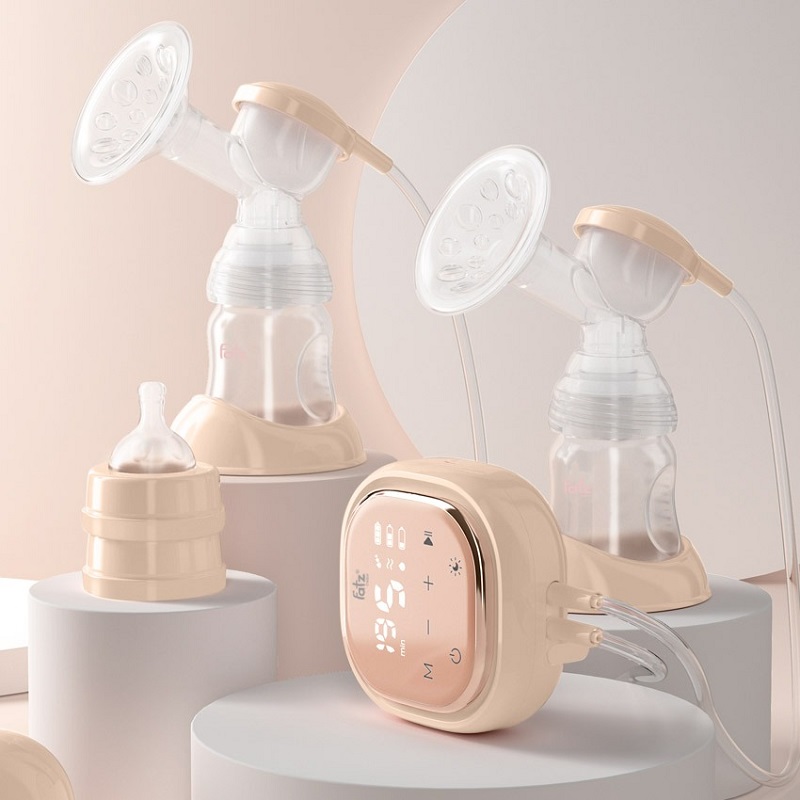
Manual vs. Electric: A Quick Comparison
| Criteria | Manual Pump | Electric Pump |
|---|---|---|
| Ease of use | Simple design; you control suction and speed by hand | Plug in or charge, position, and press a button — minimal effort per session |
| Effort required | Requires continuous hand movement, which can cause fatigue with frequent or extended use | Motor does the work, reducing hand fatigue and effort |
| Speed | One breast at a time | Many models allow pumping both breasts simultaneously, cutting session time significantly |
| Best suited for | Occasional pumping, mothers with an already healthy supply, travel, or backup use | Frequent or exclusive pumping, building or maintaining supply, busy schedules |

When to Get Extra Support
If you’re consistently pumping and still concerned about low supply, or you’ve experienced a sudden or unexplained drop, an International Board Certified Lactation Consultant (IBCLC) is genuinely one of the most valuable resources available — they can assess your technique, pump fit, and feeding routine, and identify issues a general article can’t diagnose. Many hospitals, pediatric offices, and WIC programs offer free or low-cost lactation support, so it’s worth asking what’s available to you.
Building or maintaining milk supply with a pump takes consistency and patience, and it’s normal for progress to feel slow at first. Regular, effective milk removal — whether by nursing, pumping, or both — is the single biggest driver of supply, more than any specific food or trick. This article is intended for general education; a lactation consultant or your doctor can offer guidance tailored to your specific situation. (For more, see our guides on manual breast pumping and the pros and cons of pumping.)
Frequently Asked Questions
How often should I pump to increase my milk supply?
Lactation experts generally recommend pumping 8 to 12 times in 24 hours (roughly every 2–3 hours, including overnight) to build supply quickly. Once supply is established, spacing sessions to every 3–5 hours often works well for maintenance.
How long does it take to see results from pumping to build supply?
It varies, but it's normal to see only small amounts in the first several days. Supply typically builds gradually with consistent, regular removal rather than increasing dramatically overnight — patience and consistency matter more than any single session.
Do certain foods really increase milk supply?
Foods like oats, papaya, and fenugreek are traditionally believed to help in many cultures, but scientific evidence is limited and mixed. They're reasonable, low-risk additions to a varied diet, but frequent, effective milk removal remains the most important factor in supply.
Does breast massage while pumping really help?
Yes, for milk flow and reducing the risk of blocked ducts — this is well supported. It isn't, however, a proven way to prevent breast cancer, despite that claim sometimes circulating.
When should I see a lactation consultant about low milk supply?
If you've been pumping consistently and still have concerns, or you notice a sudden or significant drop in supply, an IBCLC (International Board Certified Lactation Consultant) can assess technique, pump fit, and routine to identify issues that are hard to diagnose from general advice alone.
References
- La Leche League International — building and maintaining milk supply with a pump (llli.org).
- Academy of Breastfeeding Medicine — clinical protocols for pumping and low milk supply (bfmed.org).
- American Academy of Pediatrics — breastfeeding and pumping guidance (healthychildren.org).
- HealthCare.gov — breastfeeding equipment and support coverage under the Affordable Care Act (healthcare.gov).