

Whether to pump, how much, and when is one of the more personal decisions in early parenthood — and there’s no single right answer that fits every family. Here’s a balanced, honest look at the real advantages and drawbacks of breast pumping, so you can make the choice that works for you.
Why Parents Choose to Pump
People pump for a wide range of reasons, and it’s worth knowing upfront that none of them require special justification:
- Returning to work or school while continuing to provide breast milk
- Building a stored supply for occasional bottles, date nights, or other caregivers to use
- Managing a low milk supply, which pumping can sometimes help support alongside direct nursing
- Relieving engorgement or discomfort
- Medical situations, like a baby in the NICU who isn’t yet nursing directly, or a mother managing latch difficulties
- Simply preferring more flexibility and shared feeding responsibilities within the family
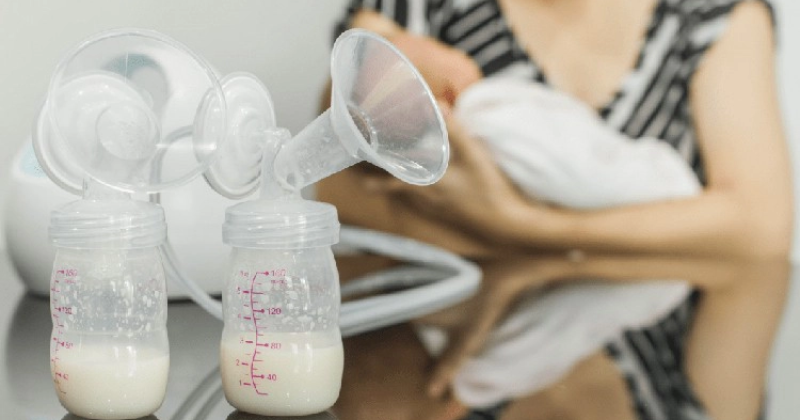
The Real Advantages of Pumping
Flexibility and Shared Feeding
Pumped milk lets partners, grandparents, or other caregivers feed the baby, which can be genuinely valuable for bonding, giving the breastfeeding parent a break, and making it easier to be away from the baby for work, appointments, or simply some personal time.
Supports Continued Breastfeeding Through Separation
For parents returning to work or school, pumping is often what makes continued breast milk feeding possible at all, letting a baby continue receiving breast milk even when direct nursing isn’t an option during the day.
Helps You Track Intake
Bottle-feeding pumped milk lets you see exactly how much your baby is eating, which some parents find reassuring, particularly if there have been concerns about weight gain or feeding volume.
Can Support Milk Supply
For some mothers dealing with low supply, regular pumping (often alongside direct nursing) provides additional breast stimulation that can help build and maintain supply over time.
Provides Relief From Engorgement
Pumping can offer quick relief when breasts feel overly full or uncomfortable, whether from a skipped feeding, a growth spurt, or simply an oversupply.
The Real Drawbacks of Pumping
Time and Effort
Pumping takes real time — the session itself, plus cleaning and sterilizing parts afterward — which adds up, especially for parents pumping multiple times a day. This is a genuine, practical cost worth planning for.
Cost
A good breast pump, replacement parts, and storage supplies (bags, bottles) represent a real expense, though many U.S. insurance plans are required to cover a breast pump at little or no cost — it’s worth checking with your provider before purchasing one out of pocket.
Pumps Can Be Less Efficient Than Direct Nursing
For many mothers, a pump doesn’t remove milk quite as effectively as a baby nursing directly, which is part of why exclusively pumping (rather than combining pumping with direct nursing) sometimes requires more frequent sessions to maintain supply. This varies significantly by individual and by pump quality, so it’s not a universal rule, but it’s a real consideration for some.
Possible Bottle Preference
Some babies who go back and forth between breast and bottle develop a preference for one over the other, sometimes related to differences in milk flow. This varies a lot by baby, and many babies transition between both without issue, but it’s worth being aware of if maintaining direct nursing is a priority for you.
Logistics of Storage and Transport
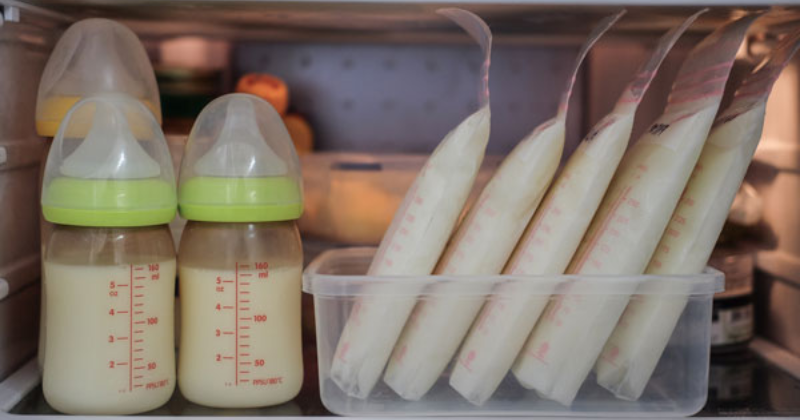
Pumped milk needs to be properly stored, labeled, and used within recommended timeframes (per CDC guidelines: about 4 hours at room temperature, 4 days refrigerated, up to 6 months frozen), which adds an organizational layer, especially for working parents managing supply at both home and daycare or work.
Finding What Works for Your Family
Pumping doesn’t have to be an all-or-nothing decision. Many families combine direct nursing with occasional or regular pumping — for work, for a stored supply, or simply for flexibility — rather than choosing one approach exclusively. Others pump exclusively for medical or personal reasons, and others don’t pump at all and nurse directly full time. All of these are valid, and what matters most is finding an approach that supports your baby’s nutrition and fits realistically into your life and circumstances, not following one “correct” method.
If you’re planning to combine direct nursing with pumping, many lactation consultants suggest waiting until breastfeeding is well established (often around 3–4 weeks) before introducing regular pumping and bottles, unless there’s a medical reason to start earlier — this can help avoid potential nipple confusion and gives your milk supply time to regulate based on your baby’s direct nursing pattern first. That said, this varies by situation, and a lactation consultant can offer guidance tailored to your specific circumstances.
There’s no universally “better” choice between pumping and exclusive direct nursing — both are valid ways to feed a baby breast milk, and the right approach depends on your work situation, your baby’s needs, your supply, and what genuinely works for your family. If you’re weighing this decision, a lactation consultant can offer personalized guidance based on your specific goals and circumstances. (For more on getting started with pumping, see our guides on manual breast pumping and using a breast pump to build milk supply.)
Frequently Asked Questions
Is pumping better or worse than direct breastfeeding?
Neither is universally "better" — both provide breast milk to your baby, and the right choice depends on your work situation, supply, baby's needs, and what realistically fits your life. Many families combine both approaches rather than choosing one exclusively.
When should I start pumping if I’m combining it with breastfeeding?
Many lactation consultants suggest waiting until breastfeeding is well established, often around 3–4 weeks, before introducing regular pumping and bottles, unless there's a medical reason to start earlier. This helps your supply regulate based on direct nursing first.
Does pumping affect milk supply differently than nursing?
For some mothers, a pump removes milk somewhat less efficiently than a baby nursing directly, which can mean needing more frequent sessions to maintain supply if pumping exclusively. This varies significantly by individual and pump quality.
Will bottle-feeding pumped milk cause nipple confusion?
It's possible for some babies, particularly if bottles are introduced very early, but many babies transition between breast and bottle without issue. If maintaining direct nursing is a priority, waiting until breastfeeding is established before introducing bottles can help.
Can I switch between pumping and direct nursing as my needs change?
Yes. Many families adjust their approach over time — pumping more during a return to work, less during time off, or shifting based on supply and the baby's changing needs. Flexibility is completely normal and doesn't require sticking to one fixed plan.
References
- American Academy of Pediatrics — breastfeeding, pumping, and returning to work (healthychildren.org).
- La Leche League International — combining breastfeeding and pumping (llli.org).
- Centers for Disease Control and Prevention (CDC) — proper storage and handling of breast milk (cdc.gov).