

Warming breast milk properly matters for both safety and nutrition. Here’s how long it takes, the safest methods, how long warmed milk stays good, and — most importantly — the one method you should never use.
Why Warm Breast Milk to Around Body Temperature?
Frozen breast milk often separates, with fat rising to the surface as a layer that can look different from fresh milk. Once thawed, gently warming the milk helps recombine the fat and makes for a more pleasant feeding temperature.
Most lactation experts recommend warming milk to roughly body temperature — around 98.6°F (37°C), similar to how it would feel coming directly from the breast. Warming beyond this, into the 104°F (40°C) range some sources cite as a upper comfort limit, doesn’t add any nutritional benefit and increases the risk of overheating, which can degrade some heat-sensitive nutrients and antibodies, and — more importantly — risks burning your baby’s mouth if it gets too hot.
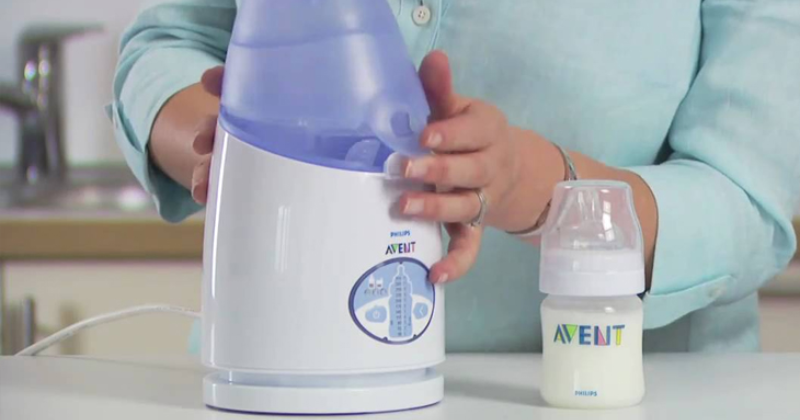
How Long Does It Take to Warm Breast Milk?
Timing depends on how the milk was stored and the method you use. As a general guide, using a warm water bath:
- Room-temperature milk: about 3–5 minutes
- Refrigerated milk: about 6–8 minutes
- Frozen milk (already thawed): about 5–10 minutes
A few factors affect timing:
Volume of milk: Larger amounts take longer to warm evenly. For example, warming about 7oz (200ml) in a warm water bath might take 5–7 minutes, while 14oz (400ml) could take 7–10 minutes.
Container material: Glass containers tend to warm more slowly than plastic. If using plastic bottles or storage bags, choose ones labeled BPA-free — this has been standard and required for baby bottles sold in the U.S. since 2012, so most bottles you’d buy today already meet this standard. Avoid exposing any plastic to very high heat (like boiling water) since excessive heat can affect plastic quality over time, but a standard warm water bath at body-safe temperatures is not a significant safety concern with BPA-free containers.
Starting temperature: Freshly pumped milk that’s cooled down (for example, during a cold room or after 20+ minutes at room temperature) will need a shorter warm-up, generally a few minutes. Milk straight from the refrigerator (typically 35–46°F/2–8°C) takes longer, generally 6–10 minutes depending on volume.
The One Method to Avoid: Never Microwave Breast Milk
This is the most important safety rule for warming breast milk: never use a microwave. Microwaves heat unevenly, creating “hot spots” that can scald your baby’s mouth even when the bottle feels only warm on the outside. Microwaving can also break down some of the beneficial antibodies and nutrients in breast milk more than gentle warming methods do. The CDC and AAP both specifically warn against microwaving breast milk or infant formula for these reasons — always use a warm water bath or a bottle warmer instead.
How Long Can Warmed Breast Milk Be Kept?
Once breast milk has been warmed, use it within about 2 hours. After that window, bacterial growth becomes more of a concern, and any remaining milk should be discarded rather than saved or reheated again.
Milk that’s been warmed and then left out too long, or reheated multiple times, is more likely to develop bacterial growth, which can cause digestive upset like diarrhea if fed to your baby. When in doubt, it’s always safer to discard leftover warmed milk than to risk feeding spoiled milk.
Important: never refreeze breast milk once it’s been thawed, even if it hasn’t been warmed yet — refreezing increases the risk of bacterial growth and further nutrient breakdown.

How to Warm Breast Milk Safely
Warming Refrigerated Milk
Avoid vigorously shaking the bottle, since this can break down some of the milk’s beneficial components — a gentle swirl is enough to remix the milk and any separated fat.
Warm water bath method: Place the sealed milk container in a bowl of warm (not boiling) water for about 5 minutes, swirling gently partway through. Check the temperature on your wrist before feeding — it should feel warm, not hot.
Bottle warmer: Follow the manufacturer’s instructions for water level and timing, typically 3–5 minutes. As with any method, check the temperature before feeding.

Thawing and Warming Frozen Milk
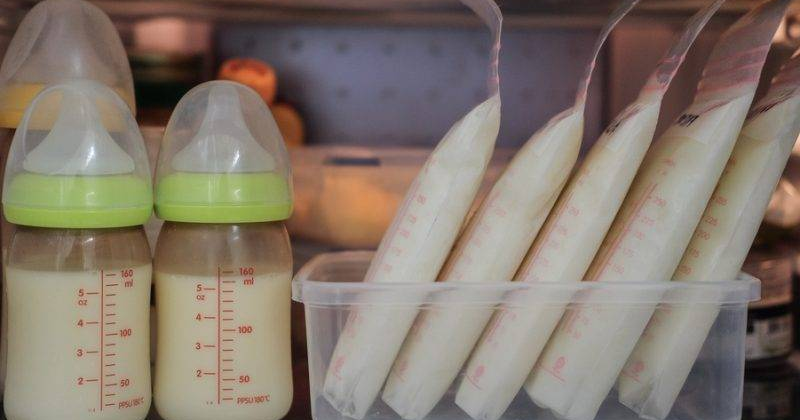
Frozen breast milk keeps well for up to 6 months in a standard freezer (up to 12 months in a deep freezer, per CDC guidance). Here’s how to thaw and warm it safely:
- Thaw in the refrigerator overnight (roughly 8–12 hours), or for a faster option, hold the sealed bag or container under cool-to-lukewarm running water (avoid hot water directly on frozen milk, which can create uneven temperatures and affect the container).
- Once thawed, gently swirl to remix any separated layers.
- Transfer to a clean bottle if needed.
- Warm using a warm water bath or bottle warmer, following the same guidance as refrigerated milk — typically 5–10 minutes depending on volume.
- Check the temperature before feeding, and use within 2 hours of warming.
Key Safety Reminders
- Check quality before warming: Look at the color and smell the milk before warming it. If anything seems off, don’t feed it to your baby — when in doubt, throw it out.
- Never microwave breast milk: This bears repeating — microwaving creates uneven heat and hot spots that can burn your baby, even if the outside of the bottle feels fine.
- Use warmed milk within about 2 hours: After that, bacterial growth is more likely, so discard any leftovers rather than saving or reheating them again.
- Don’t overheat: Warming milk hotter than body temperature doesn’t help and can degrade nutrients while increasing burn risk. Always test the temperature before feeding.
- Never refreeze thawed milk: Once breast milk has thawed, use it — don’t put it back in the freezer.
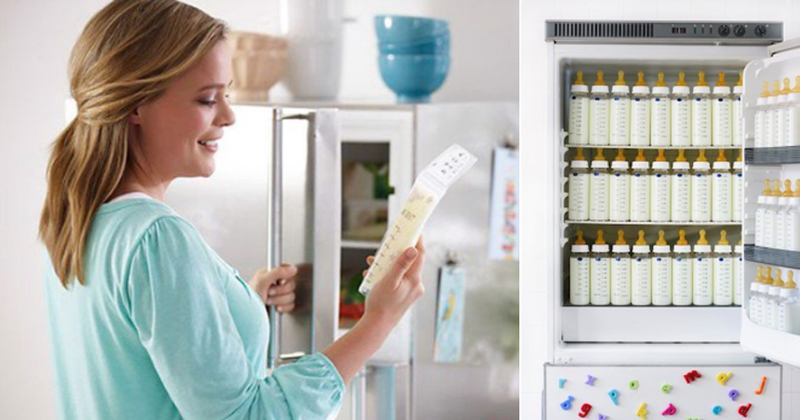
Warming breast milk safely comes down to a few key habits: gentle warmth (never a microwave), checking the temperature before feeding, and using warmed milk within about 2 hours. Following these steps helps preserve nutrients and, more importantly, keeps feeding time safe for your baby. This article is intended for general education and isn’t a substitute for guidance from your pediatrician. (For more on managing your milk supply, see our guides on breast milk pumping essentials and the pros and cons of pumping.)
Frequently Asked Questions
Can I microwave breast milk to warm it?
No — never microwave breast milk. Microwaves heat unevenly and create hot spots that can burn your baby's mouth even if the bottle feels only warm outside. Always use a warm water bath or bottle warmer instead.
What temperature should breast milk be warmed to?
Around body temperature, roughly 98.6°F (37°C), is ideal — similar to how milk would feel coming directly from the breast. There's no benefit to warming it hotter, and doing so increases the risk of nutrient loss and burns.
How long can warmed breast milk sit out before feeding?
Use warmed breast milk within about 2 hours. After that, discard any leftovers rather than saving or reheating them, since bacterial growth becomes more likely.
Can I refreeze breast milk after thawing it?
No. Once breast milk has been thawed, it should not be refrozen. Use it within the recommended timeframe, or discard any unused portion.
How do I safely thaw frozen breast milk?
Thaw it in the refrigerator overnight, or for a faster option, hold the sealed container under cool-to-lukewarm (not hot) running water. Avoid thawing at room temperature for extended periods or in the microwave.
References
- Centers for Disease Control and Prevention (CDC) — proper storage and preparation of breast milk, including warming guidance (cdc.gov).
- American Academy of Pediatrics — safe bottle feeding and warming practices (healthychildren.org).
- U.S. Food and Drug Administration — BPA regulations for baby bottles and infant feeding products (fda.gov).