

Back pain is one of the most common complaints among new mothers. What actually causes it — and are there exercises that genuinely help? Here’s an evidence-based breakdown, along with the precautions worth knowing before you start moving.
What Causes Postpartum Back Pain?
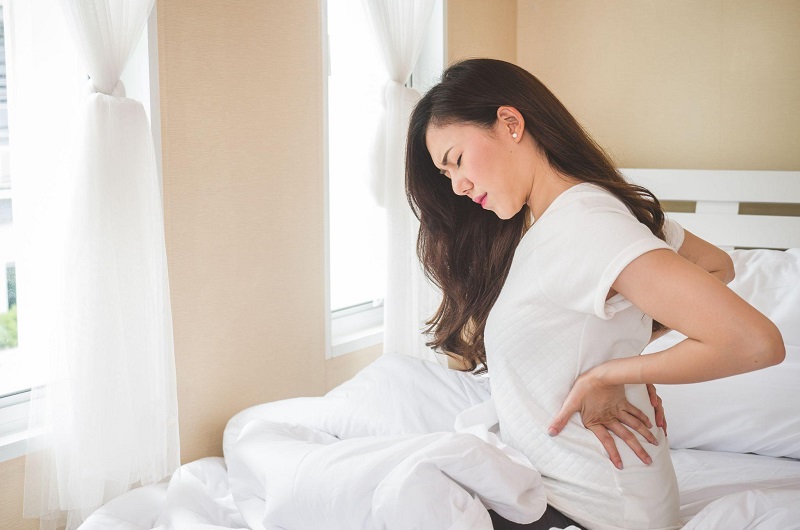
Postpartum back pain has several overlapping causes. Here are the main contributors:
Pre-Existing or Pregnancy-Related Spine Conditions
Conditions such as herniated discs, spinal stenosis, and spondylolisthesis can affect anyone, and pregnancy can aggravate them. Carrying extra weight for months puts sustained strain on the spine, which can lead to discomfort that continues after delivery — especially with the long hours of sitting and bending involved in caring for a newborn.
Hormonal Changes
During pregnancy, elevated levels of the hormones progesterone and relaxin loosen the ligaments and joints in the pelvis, which helps make room for the growing baby. These hormones don’t disappear the moment you deliver — relaxin levels typically stay elevated for weeks to a few months postpartum, which can leave joints looser and more prone to strain during this period.
Calcium and Nutrient Demands
Pregnancy and breastfeeding both increase the body’s calcium needs, since the mother is supplying nutrients for two. If dietary intake doesn’t keep pace, this can affect bone and joint health over time. A balanced postpartum diet with adequate calcium and vitamin D — through food or, if recommended by your provider, supplementation — supports recovery.
Spinal Anesthesia After a Cesarean Delivery
Women who deliver by cesarean section often receive spinal anesthesia. Research shows back pain is a genuinely common side effect in the days and weeks afterward — studies put the rate at roughly 30–60% of women in the first weeks post-surgery — rather than something nearly universal or automatically long-term. For most women, this pain is temporary and resolves within days to a few weeks; it becomes chronic in only a minority of cases. Careful anesthesia technique and needle choice can reduce the risk.
Posture During Feeding and Rest
Hunching forward during breastfeeding or bottle-feeding, along with awkward positions for lying down or resting, can strain the back over time. Paying attention to posture — supporting your back and bringing the baby to you rather than leaning down to the baby — helps prevent this from becoming a chronic issue.
Reduced Activity After Delivery
Extended bed rest and low activity levels after childbirth can lead to muscle deconditioning and reduced flexibility in the joints and spine, which is a common contributor to back pain in the postpartum weeks.
Pelvic Ligament Laxity
The pelvic ligaments that loosened during pregnancy remain lax for some time after delivery, which can contribute to instability and back discomfort. This typically improves gradually as hormone levels normalize and core strength returns.
Why Postpartum Back Pain Exercises Can Help
Once you’ve been medically cleared to be active (see the safety guidance below), appropriately chosen exercise offers real benefits:
Pain Relief
Regular movement and stretching — including gentle yoga — can improve the flexibility of the muscles and joints around the spine, which helps ease back pain over time.

Stronger, More Resilient Muscles and Joints
Beyond easing existing pain, a consistent movement routine helps rebuild core and back strength, which can lower the risk of future strain and injury as you adjust to carrying and lifting your baby.
Reduced Stress and Better Rest
Movement supports relaxation and can leave you feeling less tense after a session, which matters during a physically and emotionally demanding stretch of early parenthood.

Before You Start: Important Safety Guidance
Postpartum exercise is genuinely beneficial, but timing and technique matter — especially for the abdominal-focused moves below.
- Get cleared first. If you had an uncomplicated vaginal delivery, light activity is often fine within the first few days, as your body allows. After a cesarean delivery or any complications, most providers recommend waiting until your postpartum checkup — typically around 6 to 8 weeks — before starting structured exercise. Always confirm with your OB or midwife before beginning.
- Check for diastasis recti. Most pregnancies cause some degree of abdominal muscle separation (diastasis recti). Doing intense ab work — deep backbends, full crunches, or the classic cobra pose — before this has been assessed and addressed can worsen the separation rather than help it. Ask your provider or a pelvic floor physical therapist to check for this before adding ab-focused moves to your routine; if diastasis recti is present, gentler core-activation exercises are usually recommended first.
- Stop if pain worsens. Any exercise that increases pain, causes leakage, or brings on a feeling of pelvic heaviness or pressure should be stopped immediately, with a follow-up call to your provider.
Postpartum Back Pain Relief Exercises
With clearance from your provider, here are exercises commonly recommended for postpartum back pain:
Pelvic Tilts and Pelvic Floor Activation
This gentle move targets the deep core and pelvic floor and is often one of the first exercises cleared for postpartum recovery.
How to do it:
- Get on your hands and knees, with your back in a neutral, relaxed position.
- As you exhale, gently draw your belly button toward your spine and lift your pelvic floor muscles, tilting your pelvis slightly.
- Hold for a few seconds while breathing evenly — avoid holding your breath or arching your back.
- Release, rest briefly, and repeat 8–10 times.

Bridge Pose
The bridge pose targets the hips, glutes, and lower back, and is a common early-postpartum choice once cleared for exercise.
How to do it:
- Lie on your back on a mat with your knees bent and feet flat on the floor.
- Engage your glutes and core, and raise your hips until your body forms a straight line from shoulders to knees — don’t overextend the lower back.
- Hold for a few seconds, then lower back down with control.
- Repeat 10–12 times, once you’re comfortable with the movement.

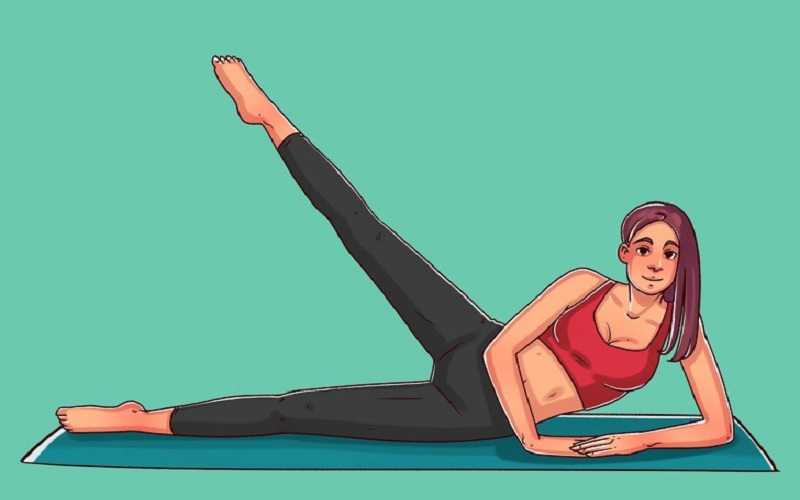
Side-Lying Knee Lift
A low-impact option that targets the lower back and hip muscles without straining the abdomen.
How to do it:
- Lie on your side with your knees gently bent toward your chest, keeping your core lightly engaged.
- Keeping your feet together, lift your top knee a few inches without shifting your hips.
- Hold briefly, then lower with control.
- Do 8–10 reps, then switch sides.
Modified Cobra Stretch (Skip if Diastasis Recti Is Present)
A gentle backbend can relieve tension in the spine, but a deep cobra puts pressure on the abdominal wall — hold off on this one until you’ve been checked for diastasis recti and cleared by your provider. A modified, low version is a reasonable starting point once cleared.
How to do it:
- Lie face down with your legs extended and relaxed.
- Place your forearms on the floor under your shoulders and gently lift your chest, keeping the lift low and your hips on the floor.
- Keep shoulders relaxed and avoid pushing into a deep backbend.
- Hold for 20–30 seconds, and repeat 2–3 times.

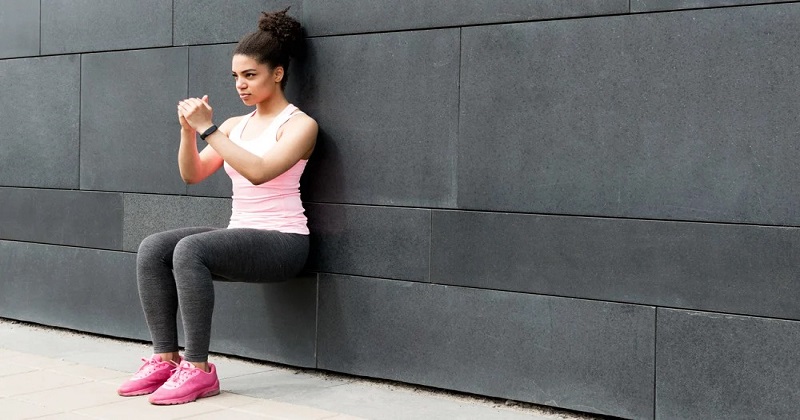
Wall Slide (Wall Stand)
Standing against a wall supports posture and can gently improve spinal alignment and lower-body strength.
How to do it:
- Stand with your back against a wall, feet shoulder-width apart, about 2 feet from the wall.
- Slowly slide down the wall until your knees are bent at a comfortable angle — you don’t need a full 90 degrees, especially early on.
- Keep your gaze forward and breathe evenly; you should feel a mild stretch in the thighs, not pain in the knees or back.
- Hold for 20–30 seconds, rest, and repeat 2–3 times.
Pigeon Pose
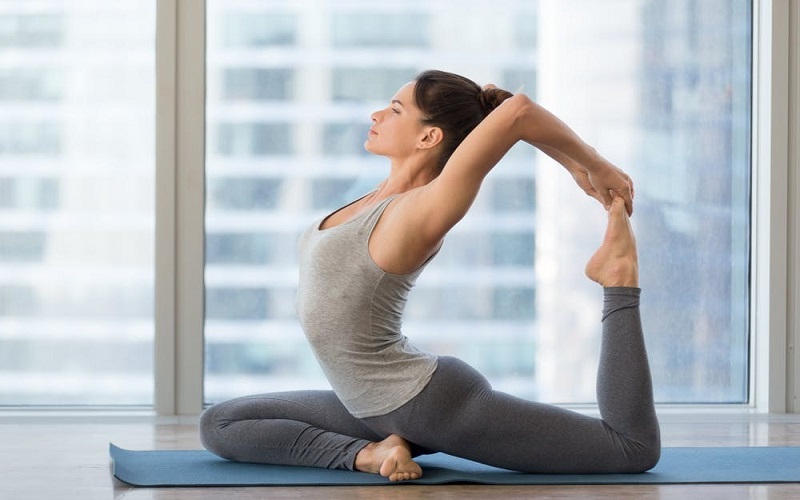
A hip-opening stretch that can also ease lower-back tension, since tight hips often contribute to back discomfort.
How to do it:
- Sit on a mat with your right leg bent in front of you and your left leg extended straight behind you.
- Keep your hips squared toward the front as much as comfortable, hands resting on the floor beside you.
- Sit up tall rather than folding forward, especially in early postpartum weeks.
- Hold for 20–30 seconds, then switch sides.

Seated Forward Bend
A simple stretch for the lower back and hamstrings that most people can do early in recovery, done gently and without forcing the stretch.
How to do it:
- Sit with your knees bent and feet flat, shoulder-width apart.
- Sit tall with your chest open, then hinge forward from the hips — not by rounding your back — reaching gently toward your feet.
- Hold for a few seconds where you feel a comfortable stretch, then return to sitting upright.
- Repeat 8–10 times.
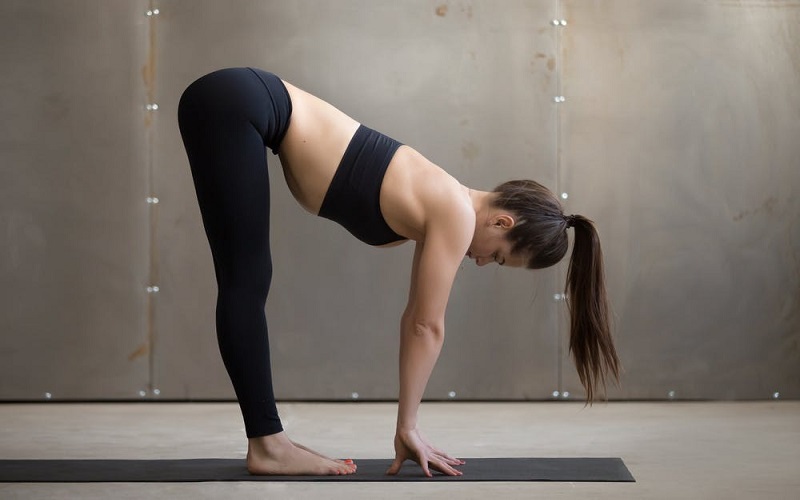
Supine Twist
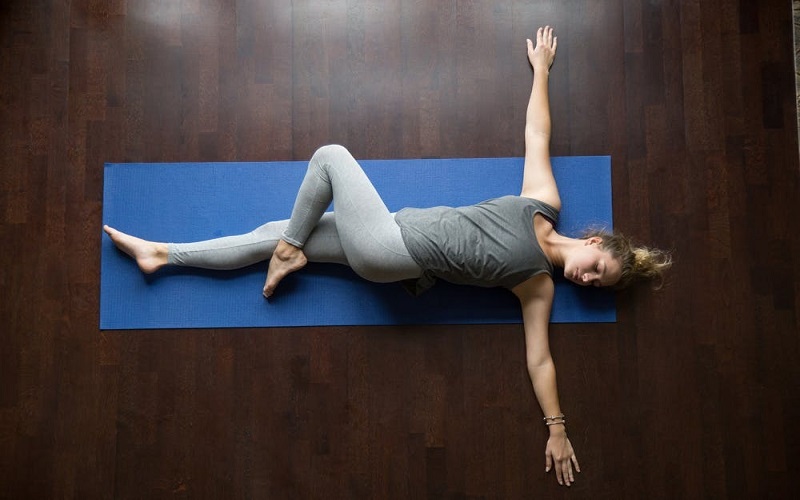
A gentle rotational stretch that can ease muscle tension around the spine.
How to do it:
- Lie on your back with your knees bent.
- Keeping your shoulders on the floor, gently lower both knees to one side.
- Hold for a few seconds, then return to center and repeat on the other side.
- Do about 8–10 reps total, alternating sides.
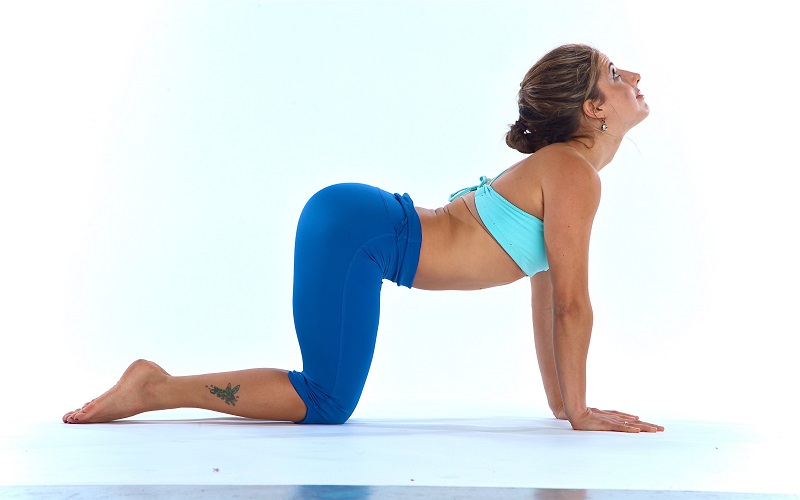
Cat-Cow Stretch
A widely recommended, low-impact movement for spine mobility that also encourages breath awareness.
How to do it:
- Start on your hands and knees, with wrists under shoulders and knees under hips.
- As you exhale, round your spine upward (cat); as you inhale, gently arch your back and lift your gaze (cow).
- Move slowly, syncing the movement with your breath.
- Repeat 10–15 times.
Standing Balance Pose (Modified Eagle Arms)
Full eagle pose (with legs also crossed and wrapped) requires balance and hip mobility that may not be appropriate in early postpartum recovery. A modified version using just the arm position is a gentler way to stretch the upper back and shoulders, which often carry tension from feeding and carrying your baby.
How to do it:
- Stand with feet hip-width apart.
- Cross your arms in front of you, right over left, and bring your palms to touch (or hold opposite shoulders if that’s more comfortable).
- Lift your elbows slightly and feel the stretch across your upper back.
- Hold for 15–30 seconds, breathing deeply, then switch the arm cross and repeat.

Read more: How to Properly Exfoliate the Body? — and if you’re also preparing to pump or return to work, see our guide to breast milk pumping essentials. If you’re earlier in pregnancy and want exercise guidance for that stage, check out our second trimester pregnancy exercise tips.
Guidelines for Practicing These Exercises Safely
- Warm up with a few minutes of gentle movement or walking before stretching, to prepare the muscles.
- Take about 10 minutes afterward to rest in a comfortable position.
- Move slowly and avoid sudden or jerky motions throughout.
- Consistency matters more than intensity — aim for regular sessions (ideally most days, or at least 3–5 times a week) rather than only exercising when pain flares up and stopping once it eases.
- If an exercise increases your pain instead of relieving it, or you notice leakage, pelvic pressure, or unusual symptoms, stop immediately and check in with your provider or a pelvic floor physical therapist.
Postpartum back pain is common, but it’s also very manageable with the right approach — timing your return to exercise around your body’s healing, checking for diastasis recti, and building strength gradually. Take care of yourself as you care for your baby; both matter.
Frequently Asked Questions
When can I start exercising after a vaginal delivery?
For an uncomplicated vaginal delivery, light activity is often fine within the first few days, as your body allows — many providers and ACOG guidance support easing in gently once you feel ready. Always confirm with your provider first, especially before adding abdominal-focused exercises.
When can I start exercising after a C-section?
Most providers recommend waiting until your postpartum checkup, typically 6 to 8 weeks after delivery, before beginning structured exercise, since a cesarean is abdominal surgery that needs time to heal. Gentle walking is usually fine much earlier, with your provider's approval.
What is diastasis recti, and why does it matter for back pain exercises?
Diastasis recti is a separation of the abdominal muscles that occurs in most pregnancies to make room for the growing uterus. Doing intense core exercises — like full crunches or deep backbends — before this is assessed and improving can worsen the separation. A provider or pelvic floor physical therapist can check for it and guide you toward safe exercises.
Is it true that almost all women get chronic back pain after a C-section?
No — this is an overstatement of the real data. Studies show roughly 30–60% of women experience back pain in the days to weeks after spinal anesthesia for a cesarean delivery, and for most, it resolves within days to a few weeks. Only a minority go on to experience longer-term pain.
How often should I do postpartum back pain exercises?
Consistency matters more than intensity. Aim for regular, gentle sessions — ideally most days, or at least 3 to 5 times a week — rather than exercising only when pain flares up.
References
- American College of Obstetricians and Gynecologists (ACOG) — Guidance on postpartum physical activity and returning to exercise
- Peer-reviewed literature reviews on the incidence of post-cesarean back pain with spinal anesthesia (prevalence ranges of roughly 30–60%)
- Clinical guidance on diastasis recti screening and postpartum core rehabilitation
- Mayo Clinic and postpartum physical therapy resources on safe return to exercise after vaginal and cesarean delivery