

A healthy diet is central to overall well-being, and many countries have relied on a “nutrition pyramid” — a visual guide to daily food group proportions — to make that easier to put into practice. Here’s what the nutrition pyramid actually shows, how it’s evolved (including in the U.S.), and how to use the concept to build a balanced diet for yourself and your family.

What Is the Nutrition Pyramid?
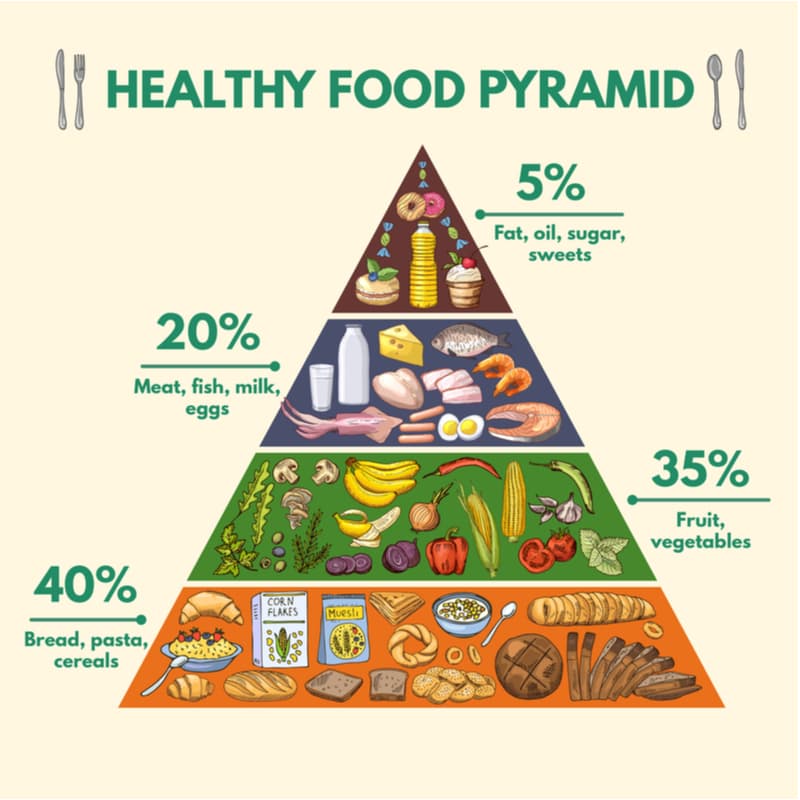
The nutrition pyramid, or food pyramid, is a visual guide to the recommended daily servings from each major food group. Its pyramid shape communicates proportion at a glance: foods at the wide base should make up the largest part of your diet, while foods near the narrow top should be eaten sparingly.
The first food pyramid was published in Sweden in 1974, created to help the public build affordable, balanced meals. Since then, many countries — including the U.S. through the USDA — have developed their own versions, adapting the model to reflect local diets and evolving nutrition science.

Most pyramid models divide food into five to seven tiers, generally covering:
- Grains and starchy foods
- Fruits and vegetables
- Protein (meat, fish, eggs, beans, dairy)
- Fats
- Salt and added sugar
Does the U.S. Still Use a Pyramid?
Not officially. The USDA introduced its first Food Guide Pyramid in 1992, updated it to “MyPyramid” in 2005, and replaced it entirely with MyPlate in 2011 — a simpler graphic showing food groups as sections of a plate rather than tiers of a pyramid. That said, the pyramid concept remains widely used elsewhere in the world and by many nutrition educators as an easy way to teach proportion and food groups, which is why it’s still worth understanding even in a U.S. context.
Why the Nutrition Pyramid Model Is Useful
Food-based dietary guidance like the nutrition pyramid or MyPlate is typically developed by national health and agriculture agencies, often informed by guidance from international bodies like the World Health Organization, to help people build balanced diets and reduce the risk of chronic disease, obesity, and tooth decay.
Building Healthy Habits
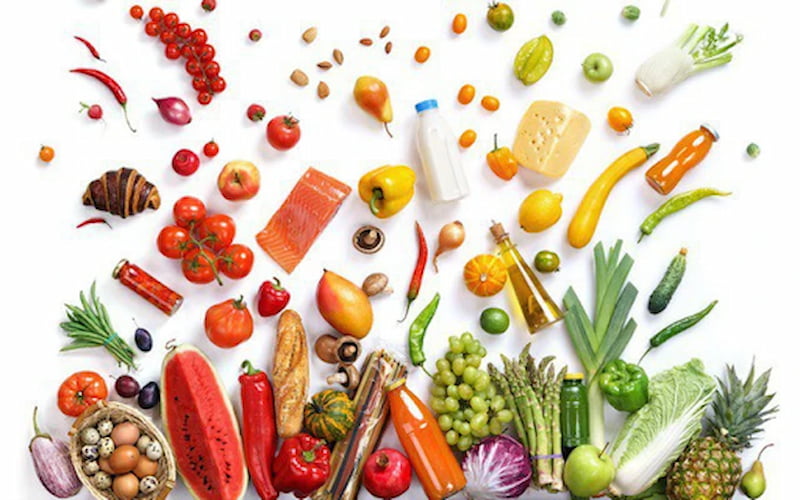
A pyramid (or plate) model helps you quickly see which food groups to emphasize and which to limit, making it easier to plan balanced meals for the whole family. It’s especially useful for children, since a well-balanced diet during early development supports healthy growth.
Reinforcing Daily Choices
Some nutrition educators suggest keeping a visual reminder of the food pyramid or MyPlate at home — for example, if breakfast didn’t include a dairy serving, that’s a cue to include one at lunch.
Supporting Disease Prevention
Following a balanced diet modeled on these food-group proportions supports a healthy body weight and immune function, and can help reduce the risk of chronic conditions such as high cholesterol, obesity, and type 2 diabetes.
The Five Key Food Groups
Grains and Starchy Foods
Sitting at the base of the pyramid, grains and starchy foods are the primary energy source in most pyramid models, typically making up roughly 60% of total daily energy intake. This group includes rice, corn, potatoes, pasta and noodles, bread, and whole grains like oats and quinoa.

Specific daily amounts vary by country and by individual calorie needs — see the age-based breakdowns later in this article for typical U.S.-style serving ranges. Choosing whole grains over refined grains where possible adds fiber and additional nutrients.
Fruits and Vegetables
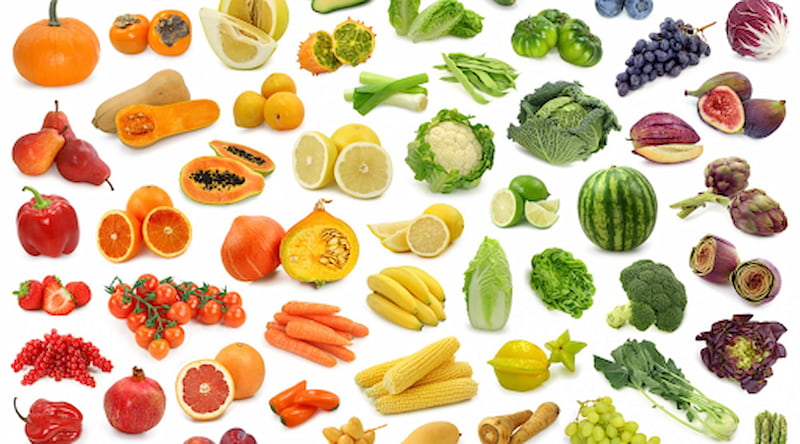
The next tier up, fruits and vegetables are rich sources of vitamins, minerals, and fiber, and should make up a substantial part of daily intake.
Protein and Dairy
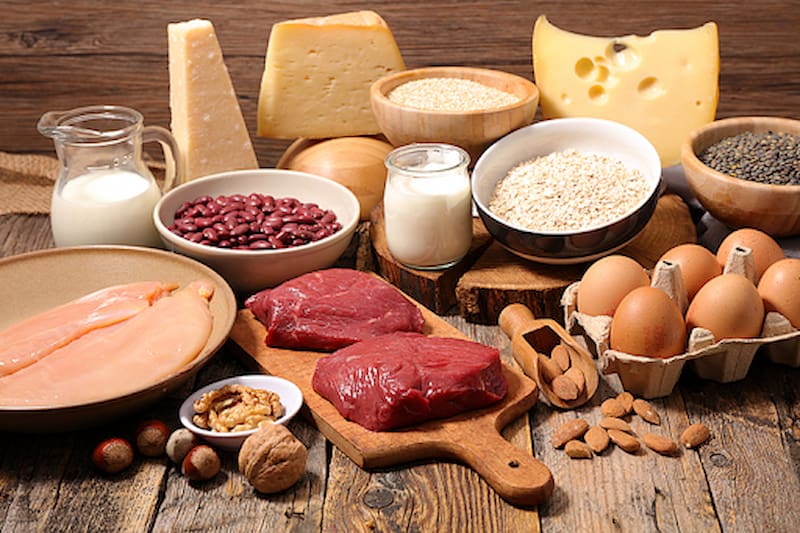
Dairy products — milk, cheese, and yogurt — are strong sources of calcium, protein, and vitamins B2, B12, and D. Most guidelines recommend at least one serving of dairy daily, particularly important for growing children. Whole milk is generally recommended for young children who need the extra calories and fat for development, while low-fat or skim milk is typically recommended for older children and adults to help manage calorie intake.
Beyond meat, fish, eggs, and dairy, plant-based proteins like chickpeas and other legumes and soybeans are excellent sources of protein and can serve as a healthy alternative or complement to animal protein.
A note on moderation: most U.S. dietary guidance suggests keeping red and processed meat intake moderate — commonly cited ranges are roughly 5-7 ounces of protein foods per day for adults, adjusted for age and activity level — since meat also contributes saturated fat and cholesterol alongside its protein.
Fats
Positioned near the top of the pyramid, fats should be consumed in moderation, but they’re not something to eliminate. Dietary fat helps the body absorb fat-soluble vitamins A, D, E, and K, and supports brain and cell function.
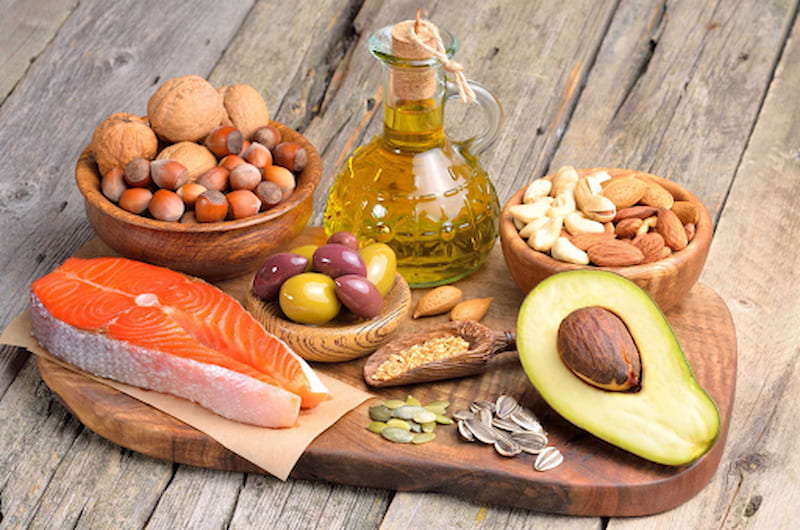
Favor unsaturated fats — found in olive oil, canola oil, and most plant-based oils — over saturated fats found in fatty cuts of meat and animal organs, which can raise LDL cholesterol when eaten in excess. Avocados and nuts are also good sources of healthy fats.
Salt and Added Sugar
Salt and added sugar sit at the very top of the pyramid — the smallest recommended proportion of the diet. They contribute little more than flavor and calories, without significant nutritional value, and excess intake is linked to health issues including high blood pressure, kidney strain, and weight gain.

The American Heart Association recommends limiting added sugar to no more than about 25 g (6 teaspoons) per day for women and 36 g (9 teaspoons) per day for men, and the Dietary Guidelines for Americans recommend keeping sodium under 2,300 mg per day for most adults. Favor the natural sugars found in whole fruit over added sugars in processed foods and beverages.
Building a Balanced Diet Around the Pyramid Model

Stay hydrated: Choose water over sugar-sweetened beverages like soda, sports drinks, and energy drinks.
Personalize your plan: Use the pyramid (or MyPlate) as a starting framework, then adjust for your body weight, age, and any specific conditions — pregnancy, diabetes, or being underweight, for example. Infants being weaned should be introduced to solids gradually, since breast milk or formula remains their primary source of nutrition at that stage. Anyone with a specific medical or nutritional need should work with a doctor or registered dietitian rather than relying on a general pyramid.
Season smart: Use herbs and spices to add flavor while cutting back on added salt and sugar — many also offer their own health benefits.
Pair nutrition with movement: A landmark study published in The Lancet, following more than 416,000 people in Taiwan over about 13 years, found that just 15 minutes of moderate daily exercise was associated with roughly a 3-year increase in life expectancy and a 14% lower risk of death from any cause compared with inactivity. Pairing regular movement with a balanced diet compounds the benefits of both.
For a deeper look at how carbohydrates, protein, and fat work together in the body, see our guide to understanding macronutrients.
Nutrition Guidance by Age Group
General principles apply across ages — emphasize grains, fruits, and vegetables; eat protein in moderation; and limit fats, sugar, and salt — but specific serving recommendations shift with age, growth stage, and activity level.

Children Ages 2-5
- Grains (rice, cereal, noodles): 1.5-3 servings
- Vegetables and starchy roots: at least 1.5 servings
- Fruits: at least 1 serving
- Protein (meat, eggs, fish, beans): 1.5-3 servings
- Dairy (milk, yogurt, cheese): 2 servings
- Sugar, salt, and fats: minimal, as part of an overall balanced diet
- Water: about 4-5 cups
Children Ages 6-11
- Grains (rice, cereal, noodles): 3-4 servings
- Vegetables: at least 2 servings
- Fruits: at least 2 servings
- Protein (meat, fish, eggs, beans): 3-5 servings
- Dairy (milk, yogurt, cheese): 2 servings
- Sugar, salt, and fats: minimal, as part of an overall balanced diet
- Water: 6-8 cups
Teens Ages 12-17

- Grains (rice, cereal, noodles): 4-6 servings
- Vegetables: at least 3 servings
- Fruits: at least 2 servings
- Protein (meat, fish, eggs, beans): 4-6 ounces
- Dairy (milk, yogurt, cheese): 2 servings
- Sugar, salt, and fats: minimal, as part of an overall balanced diet
- Water: 6-8 cups
Adults
Adult calorie needs generally range from about 1,800 to 2,400 per day depending on age, sex, and activity level:
- Grains (rice, cereal, noodles): 3-8 servings
- Vegetables: at least 3 servings
- Fruits: at least 2 servings
- Protein (meat, eggs, fish, beans): 5-8 servings
- Dairy (milk, yogurt, cheese): 2 servings
- Sugar, salt, and fats: minimal
- Water: 6-8 cups
Older Adults

Older adults need a varied, balanced diet, since poor nutrition can worsen existing health conditions:
- Grains (rice, cereal, noodles): 3-5 servings
- Vegetables: at least 3 servings
- Fruits: at least 2 servings
- Protein (meat, fish, eggs, beans): 5-8 ounces
- Dairy (milk, yogurt, cheese): 2-3 servings
- Sugar, salt, and fats: minimal
- Water: 6-8 cups
What Counts as One Serving?
- Grains: 1 cup cooked rice, 1/4 cup cooked noodles, or 2 slices of bread
- Vegetables: about 1 cup cooked or raw vegetables
- Fruit: about 1 cup chopped fruit, 1 medium apple, or 2 kiwis
- Dairy: 1 cup low-fat milk (about 240 ml), 2 slices of low-fat cheese, or 1 container of low-fat yogurt (about 150 ml)
People with Medical Conditions
The general guidance above is intended for people without specific health issues. Anyone managing a chronic condition — malnutrition, diabetes, or another concern — should work with a doctor or registered dietitian for a personalized nutrition plan rather than relying solely on these general targets.
The Bottom Line
The nutrition pyramid remains a useful, simple framework for thinking about food group balance, even though the USDA officially replaced its own pyramid with MyPlate in 2011. Whichever visual model you use, the underlying principle is the same: build most of your diet around grains, fruits, and vegetables; include moderate amounts of protein and healthy fat; and keep added sugar and salt to a minimum — paired with regular physical activity and adequate hydration.
Frequently Asked Questions
What is the nutrition pyramid?
The nutrition (or food) pyramid is a visual guide showing the recommended proportion of daily food intake from each major food group, arranged so the foods you should eat most sit at the wide base and foods to limit sit at the narrow top. It was first developed in Sweden in 1974 and later adapted by many other countries and organizations.
Does the U.S. still use a food pyramid?
No. The USDA introduced a Food Guide Pyramid in 1992, updated it to MyPyramid in 2005, and replaced it entirely with MyPlate in 2011. MyPlate shows food groups as portions of a plate rather than tiers of a pyramid, though the pyramid concept is still widely used by other countries and nutrition educators as a simple teaching tool.
What are the main food groups in a nutrition pyramid?
Most versions include five groups: grains/starchy foods (the base), fruits and vegetables, protein foods (meat, fish, eggs, beans, dairy), fats, and salt/added sugar (the narrow top, to be eaten in the smallest amounts).
How much sugar and salt should I eat per day?
The American Heart Association recommends limiting added sugar to no more than about 25 g (6 teaspoons) per day for women and 36 g (9 teaspoons) per day for men. The Dietary Guidelines for Americans recommend limiting sodium to less than 2,300 mg per day for most adults.
Do children need a different nutrition pyramid than adults?
Yes. Recommended servings from each food group vary by age due to differences in calorie and nutrient needs, growth stage, and activity level. General guides exist for early childhood, school-age children, teens, adults, and older adults, though a pediatrician or registered dietitian can tailor recommendations for an individual child.
References
- Wen, C.P., et al. “Minimum amount of physical activity for reduced mortality and extended life expectancy: a prospective cohort study.” The Lancet, 2011.
- U.S. Department of Agriculture — history of the Food Guide Pyramid, MyPyramid, and MyPlate.
- American Heart Association — added sugar intake recommendations.
- U.S. Dietary Guidelines for Americans, 2020-2025 — sodium and food group recommendations.
- Britannica — history and origins of the food pyramid (Sweden, 1974).