

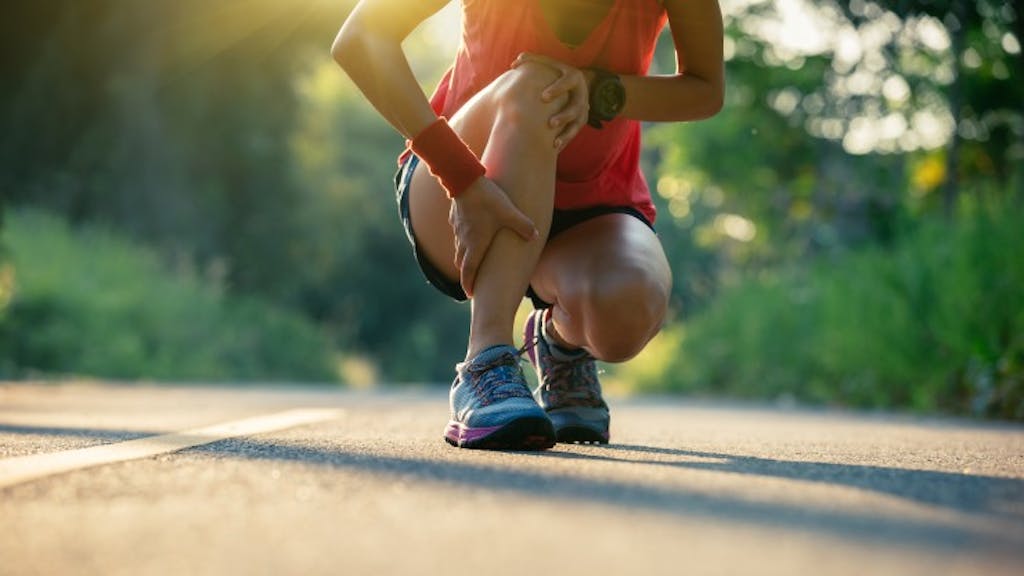
Sports injuries are a common part of an active life, from a rolled ankle on the court to a pulled muscle mid-run. There’s no secret “special remedy” that heals injuries faster than proper care — but knowing the right first-aid approach, and recognizing when an injury needs more than home treatment, makes a real difference in your recovery. Here’s an accurate, up-to-date guide.
Common Types of Sports Injuries
Sprains
A sprain is a stretched or torn ligament (the tissue connecting bone to bone), most commonly affecting the ankle, knee, or wrist. Symptoms include pain, swelling, bruising, and reduced range of motion, with severity ranging from a mild stretch to a complete tear.
Strains
A strain involves a stretched or torn muscle or tendon, often from overuse or a sudden, forceful movement — hamstring and lower back strains are especially common in athletes. Symptoms include pain, muscle weakness, spasms, and swelling.
Contusions (Bruises)
A contusion results from direct impact that damages small blood vessels under the skin without breaking it, causing the discoloration and swelling typical of a bruise. Most are minor, but a deep or severe contusion can occasionally lead to more significant complications and is worth monitoring.
Fractures
A fracture is a broken bone, ranging from a small hairline crack to a complete break. Signs include significant pain, swelling, visible deformity, and inability to bear weight or use the affected area normally. Any suspected fracture needs prompt medical evaluation, typically involving imaging to confirm and guide treatment.
Tendinitis
Tendinitis is inflammation of a tendon, usually from repetitive motion or overuse — common examples include tennis elbow and Achilles tendinitis. It typically causes localized pain, tenderness, and mild swelling that builds gradually rather than appearing suddenly.
Concussions
A concussion is a traumatic brain injury caused by a blow to the head or a forceful jolt to the body that shakes the brain inside the skull. Symptoms can include headache, confusion, dizziness, nausea, sensitivity to light or noise, and memory problems, and may not appear immediately — sometimes developing over hours. Concussions require careful, specific management, covered in more detail below.
Evidence-Based First Aid for Common Injuries
For sprains, strains, and mild contusions, the widely taught first-aid approach is often summarized as R.I.C.E., though current sports medicine guidance has refined this into a more complete framework often called PEACE & LOVE:
In the First Few Days: PEACE
- Protection: Avoid activities and movements that cause pain for the first day or two, without going so far as complete immobilization for longer than necessary.
- Elevation: Raise the injured area above heart level when possible to help reduce swelling.
- Avoid anti-inflammatory medications early on, when possible: Inflammation is part of the body’s natural healing process; while over-the-counter anti-inflammatories (like ibuprofen) can help manage pain, some current sports medicine guidance suggests using them cautiously in the first 48 hours, since suppressing inflammation too early may slow tissue healing. Acetaminophen is often suggested as a pain-relief alternative during this window. Check with a doctor or pharmacist about what’s appropriate for you.
- Compression: An elastic bandage wrapped snugly (not too tight) around the injured area can help limit swelling.
- Education: Give your body the time it needs — most soft-tissue injuries heal better with an appropriate, gradual return to activity rather than rushing back or being overly cautious for too long.
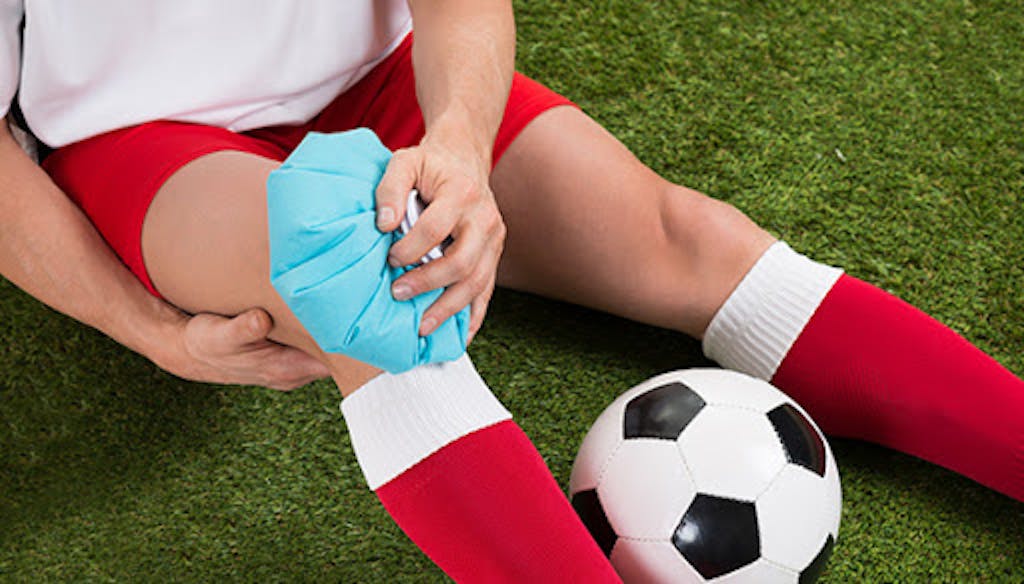
Ice is still commonly recommended in the first 24–48 hours to help manage pain, typically applied for 15–20 minutes at a time, with at least an hour between applications, and always with a cloth barrier between ice and skin to prevent frostbite or nerve damage from direct, prolonged contact.
After the First Few Days: LOVE
- Load: Gradually reintroduce normal movement and activity as pain allows, since appropriate loading supports tissue repair and strength.
- Optimism: A realistic, positive mindset is genuinely associated with better recovery outcomes in the research on musculoskeletal injury.
- Vascularisation: Light aerobic activity, once appropriate for your injury, supports blood flow to the area and overall recovery.
- Exercise: A structured return to strength and mobility exercises, often guided by a physical therapist, helps restore full function and reduces the risk of re-injury.
Heat therapy is generally more appropriate a few days after the acute injury phase, or for chronic muscle tightness, rather than in the first 24–48 hours, when it can worsen swelling.
When to Seek Medical Care
Many minor sprains, strains, and bruises can be managed at home, but see a doctor promptly if you notice:
- Inability to bear weight or use the injured area at all
- Visible deformity, or a joint that looks out of place
- Significant swelling that develops rapidly
- Numbness, tingling, or a cold, pale appearance beyond the injury site
- Pain that doesn’t improve, or worsens, after a few days of proper first aid
- A suspected fracture of any kind
Concussion Safety: What’s Different
Head injuries need to be handled differently from other sports injuries, since the risks of getting it wrong are significant:
- Never return to play the same day if a concussion is suspected, even if symptoms seem to clear quickly. “When in doubt, sit it out” is the standard guidance among sports medicine organizations.
- Get evaluated by a medical professional as soon as possible after any suspected concussion, ideally by someone trained in concussion assessment.
- Watch for worsening symptoms in the hours after the injury — worsening headache, repeated vomiting, increasing confusion, seizures, or unusual drowsiness are signs of a possible emergency requiring immediate care.
- Follow a gradual, medically guided return-to-play process rather than returning to full activity once symptoms initially improve — returning too soon significantly increases the risk of a repeat, more serious head injury.
There’s no special trick or home remedy that speeds up healing beyond what proper first aid, appropriate rest, and gradual, guided return to activity already provide. If an injury doesn’t improve as expected, or you’re unsure whether it needs professional evaluation, it’s always reasonable to check with a doctor rather than waiting it out. This article is intended for general education and isn’t a substitute for personalized medical advice. (For more on managing specific joint injuries, see our guides on understanding knee dislocation injuries and cardio exercises for people with knee pain.)
Frequently Asked Questions
What’s the correct first aid for a sprain or strain?
Current sports medicine guidance follows a PEACE & LOVE framework: protect the area, elevate it, be cautious with anti-inflammatory medication early on, compress with an elastic bandage, and give it time — followed by gradual loading, staying positive, supporting blood flow with light activity, and structured exercise as you recover.
Should I use ice or heat for a sports injury?
Ice is generally recommended in the first 24–48 hours after an acute injury to help manage pain and swelling. Heat is better suited to a few days later, or for chronic muscle tightness, since using heat too early can worsen swelling.
Can I return to play the same day after hitting my head?
No. If a concussion is suspected, you should never return to play the same day, even if symptoms seem to resolve quickly. Get evaluated by a medical professional before returning to any activity.
When does a sports injury need medical attention instead of home care?
See a doctor if you can't bear weight or use the injured area, notice visible deformity, have significant or rapidly developing swelling, numbness or a cold/pale appearance, or pain that isn't improving after a few days of proper first aid.
Is it okay to take ibuprofen right after a sports injury?
It's worth being cautious. Some current guidance suggests limiting anti-inflammatory medications like ibuprofen in the first 48 hours, since inflammation plays a role in healing. Acetaminophen is often suggested as an alternative for pain relief during this window — check with a doctor or pharmacist for guidance specific to your situation.
References
- British Journal of Sports Medicine — “PEACE & LOVE” soft tissue injury management framework (Dubois & Esculier, 2020).
- American Academy of Orthopaedic Surgeons, OrthoInfo — sprains, strains, and sports injury first aid (orthoinfo.aaos.org).
- Centers for Disease Control and Prevention (CDC) — HEADS UP concussion guidance for athletes (cdc.gov/headsup).
- Mayo Clinic — sports injuries: first aid and when to see a doctor (mayoclinic.org).