

“Knee dislocation” gets used loosely to describe a few different injuries, but there’s an important medical distinction worth understanding — one type is a genuine emergency, while the other, though still serious, is far more common and less immediately dangerous. Here’s an accurate breakdown of both.

Two Different Injuries Called “Knee Dislocation”
Patellar (Kneecap) Dislocation
This is what most people picture when they hear “knee dislocation” — the kneecap (patella) slides out of the groove it normally sits in, usually toward the outside of the leg. It’s relatively common, especially among young athletes, and often happens during sports involving sudden direction changes or a direct blow to the knee. While painful and requiring proper medical evaluation, it’s generally less immediately dangerous than the injury described below, and the kneecap sometimes slides back into place on its own or with gentle manipulation.
True Knee (Tibiofemoral) Dislocation
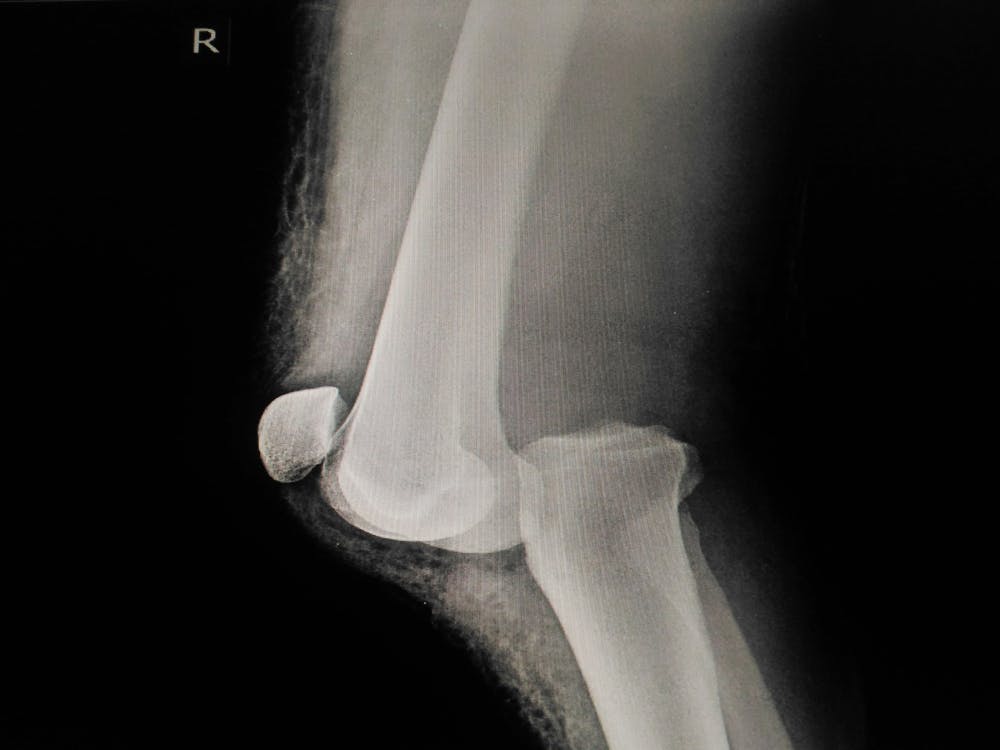
This is a different and far more serious injury, where the femur (thighbone) and tibia (shinbone) separate from their normal joint alignment — essentially, the main knee joint itself comes apart. This is rare, but it’s a genuine orthopedic emergency, and it’s critical to understand why.
Why True Knee Dislocation Is a Medical Emergency
The popliteal artery — a major blood vessel supplying the lower leg and foot — runs directly behind the knee joint, and true knee dislocation carries a significant risk of damaging this artery. Studies estimate vascular injury occurs in a substantial percentage of true knee dislocations, and if blood flow to the lower leg isn’t restored within a limited window of time (commonly cited as around 6 to 8 hours), the risk of permanent damage or limb loss rises significantly. Nerve injury, particularly to the peroneal nerve (which can cause foot drop, an inability to lift the front of the foot), is also common with this injury.

Here’s the part that catches people off guard: a true knee dislocation often “reduces” (pops back into a normal-looking position) on its own, either at the moment of injury or shortly after — sometimes before medical help even arrives. This can create a dangerous false sense of reassurance. Even if the knee looks normal again, the underlying joint and vascular damage may still be present, which is exactly why any suspected true knee dislocation needs emergency evaluation, regardless of how the knee looks afterward.
How These Injuries Happen
True knee dislocations most often result from high-energy trauma — car accidents, falls from significant height, or forceful sports collisions — though they can occasionally occur from lower-energy trauma in some individuals, including those with higher body weight, where the mechanical forces involved are different. Patellar dislocations are more commonly associated with sports involving pivoting, jumping, or a direct blow to the kneecap, and certain anatomical factors can make some people more prone to them.
Signs and Symptoms
Both types generally involve significant pain, swelling, and difficulty bearing weight, but a few specific signs are worth knowing:
- Visible deformity: If the joint hasn’t spontaneously reduced, the knee may look visibly out of place.
- Signs of possible vascular injury: A foot or lower leg that’s pale, cool, or has a weak or absent pulse compared to the other leg are urgent warning signs.
- Signs of possible nerve injury: Numbness, tingling, or an inability to lift the front of the foot (foot drop).
- Severe instability: A knee that feels like it can’t support any weight or feels grossly unstable, beyond typical sprain-level looseness.
What to Do If You Suspect a Knee Dislocation
If there’s any possibility of a true knee (tibiofemoral) dislocation — especially after a high-energy injury like a car accident, a fall from height, or a forceful sports collision — seek emergency medical care immediately, even if the knee looks like it has returned to a normal position. Don’t try to further manipulate or “fix” the joint yourself. While waiting for care:
- Keep the leg as still as possible
- Avoid putting any weight on it
- Check and monitor for changes in color, temperature, or sensation in the foot
- Apply a splint only if you have training to do so safely; otherwise, immobilize as best you can without forcing the joint into any position
For a suspected patellar dislocation without signs of severe trauma, urgent evaluation (an urgent care center or emergency room) is still appropriate, since imaging is needed to check for associated injuries, but it’s generally a lower level of emergency than a suspected true knee dislocation.
Treatment
Treatment depends on the type and severity of the injury:
- Emergency reduction: If the joint hasn’t already returned to position, a doctor will realign it, sometimes under sedation.
- Vascular assessment: For a true knee dislocation, checking blood flow (sometimes with specialized imaging) is a critical, immediate priority, given the limb-threatening risk involved.
- Surgery: Many true knee dislocations require surgery to repair torn ligaments (multiple ligaments are often involved, since it takes significant force to dislocate the joint) and address any vascular injury. Some patellar dislocations also need surgery, particularly with recurrent instability or associated cartilage damage.
- Bracing and immobilization: Following reduction or surgery, a brace helps protect the joint during initial healing.
- Physical therapy: A structured rehab program is essential for regaining strength, stability, and range of motion, and typically continues for months given the significant ligament and joint involvement in these injuries.

Prevention
- Use proper technique in sports involving jumping and pivoting: Working with a coach or trainer on landing and cutting mechanics can reduce injury risk.
- Build balanced leg strength: Strong quadriceps, hamstrings, and hip muscles support better knee stability during athletic movement.
- Wear seatbelts and follow vehicle safety practices: Since a meaningful share of true knee dislocations occur in car accidents, particularly dashboard-knee impacts.
- Use appropriate protective equipment: Especially in contact sports or activities with fall risk.
Understanding the real difference between a patellar dislocation and a true knee dislocation matters — one is a common, treatable sports injury, while the other is a genuine emergency where time truly matters for preserving the leg. If you’re ever unsure which you’re dealing with, especially after a high-energy injury, it’s always the safer choice to seek emergency evaluation rather than assume it’s a minor sprain. This article is intended for general education and isn’t a substitute for emergency medical care when it’s needed. (For more on injury care and prevention, see our guides on sports injuries and evidence-based treatment and cardio exercises for people with knee pain.)
Frequently Asked Questions
What’s the difference between a kneecap dislocation and a true knee dislocation?
A kneecap (patellar) dislocation involves the kneecap sliding out of its groove and is relatively common and generally less immediately dangerous. A true knee (tibiofemoral) dislocation involves the entire joint coming apart and is a rare but serious emergency due to high risk of vascular and nerve injury.
Why is a true knee dislocation considered a medical emergency?
The major artery supplying the lower leg runs directly behind the knee joint, and true dislocation carries a significant risk of damaging it. Restoring blood flow within a limited window (commonly cited as 6 to 8 hours) is critical to prevent permanent damage or limb loss.
If my knee looks normal after an injury, can I rule out a serious dislocation?
No. A true knee dislocation often pops back into place on its own, which can create a false sense that it's not serious. Underlying joint and vascular damage may still be present, so any suspected true dislocation after significant trauma needs emergency evaluation regardless of how the knee looks afterward.
How can I tell if there’s a vascular injury with a knee dislocation?
Warning signs include a foot or lower leg that's pale, cool, or has a weak or absent pulse compared to the other leg. These require immediate emergency attention.
How long does recovery from a knee dislocation take?
It varies significantly by severity and whether surgery is needed, but true knee dislocations, which often involve multiple torn ligaments, typically require months of structured physical therapy to regain strength and stability. Patellar dislocations generally have a shorter recovery, though this also varies by case.
References
- American Academy of Orthopaedic Surgeons, OrthoInfo — knee dislocation and patellar instability (orthoinfo.aaos.org).
- Orthobullets — knee dislocation, vascular injury risk, and management guidelines (orthobullets.com).
- American College of Emergency Physicians — evaluation of knee dislocation and vascular injury (acep.org).