

Injuries during cardio and strength training are common, especially when technique is off or training intensity outpaces the body’s ability to adapt. This guide covers the most common injuries associated with cardio and bodybuilding, what typically causes them, and practical ways to prevent and manage them.
How These Injuries Happen
Many exercise injuries result from acute impact — falling, awkward landings, or collisions with equipment or another person — while others develop from moving a joint beyond its normal range, through excessive stretching or twisting. Overloading the body, such as lifting more weight than your current strength and technique can safely support, is another common cause, and this pattern is especially common among people newer to structured training. The most frequent injuries in this category are muscle strains and ligament sprains, particularly around the joints.
Common Injuries and How to Prevent Them
Low Back Pain
Low back pain during exercise can stem from muscle strain around the spine, a bulging disc, or more significant disc damage. It typically causes pain and restricted movement, especially during exercises that rely heavily on the lower back, like squats or deadlifts.

When to seek emergency care: In rare cases, a severe disc injury can compress the nerve bundle at the base of the spine, a condition called cauda equina syndrome. Seek immediate medical attention if back pain is accompanied by numbness in the groin or inner thighs, loss of bladder or bowel control, or rapidly worsening leg weakness — this combination is a surgical emergency, though it’s uncommon.
For more typical low back strain, initial recovery generally takes about 5-7 days, during which heavy movements like deadlifts, squats, and twisting exercises should be avoided entirely. Full recovery can take anywhere from a few weeks to a few months depending on severity. Gentle flexibility work, like yoga, can support recovery once acute pain has eased, and it’s worth seeing a doctor for persistent or severe back pain rather than pushing through it.
Knee Pain
Knee pain during training is often related to patellar tendonitis — irritation of the tendon connecting the kneecap to the shin bone. It typically causes intermittent pain, reduced ability of the knee to handle load, and sometimes swelling.

This injury is common in activities that place heavy, repetitive load on the knees — cycling, running, and weightlifting among them. Excessive intensity or volume can inflame the patellar tendon over time.
Prevention: Always warm up before training, especially for runners and cyclists. If you notice early signs of irritation, avoid movements that load the knee, including squats and heavy leg exercises, until it improves. A knee support may help during recovery, and it’s worth seeing a doctor if pain persists.
Elbow Pain
Elbow pain is common in both cardio and strength training, most often from lateral epicondylitis — commonly known as tennis elbow — an inflammation of the tendons on the outside of the elbow.

This typically develops from repeated strain during movements like pull-ups, dumbbell curls, or push-ups, either suddenly or gradually over time.
Prevention: Apply ice if you notice swelling or pain, rest the affected arm, and avoid movements that load the elbow. Warming up beforehand and avoiding overly aggressive elbow-loading exercises can help prevent it; a brace may help during recovery. See a doctor if pain is significant or doesn’t improve with rest.
Hip Pain
Hip pain in people who train regularly is often related to tendinitis, commonly from overtraining, extensive running, or muscle imbalance around the hip.

Hip pain can show up as tightness, discomfort, or a clicking/catching sensation in the joint. It’s sometimes underestimated, but persistent hip issues can affect posture and place added strain on the spine, so it’s worth paying attention to.
Prevention: Reduce workout intensity and volume if hip pain develops, and choose exercises appropriate for your current fitness level. See a doctor for evaluation, and consider a hip brace if recommended.
Shoulder Strain
Shoulder strain — sometimes involving the supraspinatus tendon or shoulder bursa — is a soft tissue injury affecting the muscles and tendons around the shoulder joint (distinct from a shoulder dislocation, which involves the joint itself coming out of place).

It can result from training overload, an impact injury, or poor exercise form, and is more likely with movements involving excessive force or prolonged heavy loading — weightlifting, pull-ups, push-ups, and even certain yoga poses can contribute. Symptoms include soreness, reduced strength, and sometimes pain that radiates toward the neck.
Prevention: Avoid excessive or poorly controlled shoulder movements, follow a sensible training progression, and prioritize proper form. See a doctor if you notice a loss of strength, persistent strain, or difficulty lifting the arm.
Ankle Sprain
Ankle sprains — sometimes called a “rolled” ankle — are common in cardio training. They occur when sudden force stretches or tears the ligaments and soft tissue around the ankle, leading to swelling, pain, and restricted movement.

While usually not severe, ankle sprains are prone to recurrence, particularly in sports like soccer, running, and jump-heavy activities.
Prevention: Warm up before training, avoid sudden forceful movements, and be cautious on uneven terrain. See a doctor for evaluation and proper bracing or taping to support recovery.
Wrist Pain
Wrist pain during exercise can result from sprained or overstretched ligaments, or irritation of the tendons and soft tissue around the joint, causing swelling and discomfort. (Chronic conditions like rheumatoid arthritis or gout can also cause wrist pain, but this section focuses on training-related strain.)
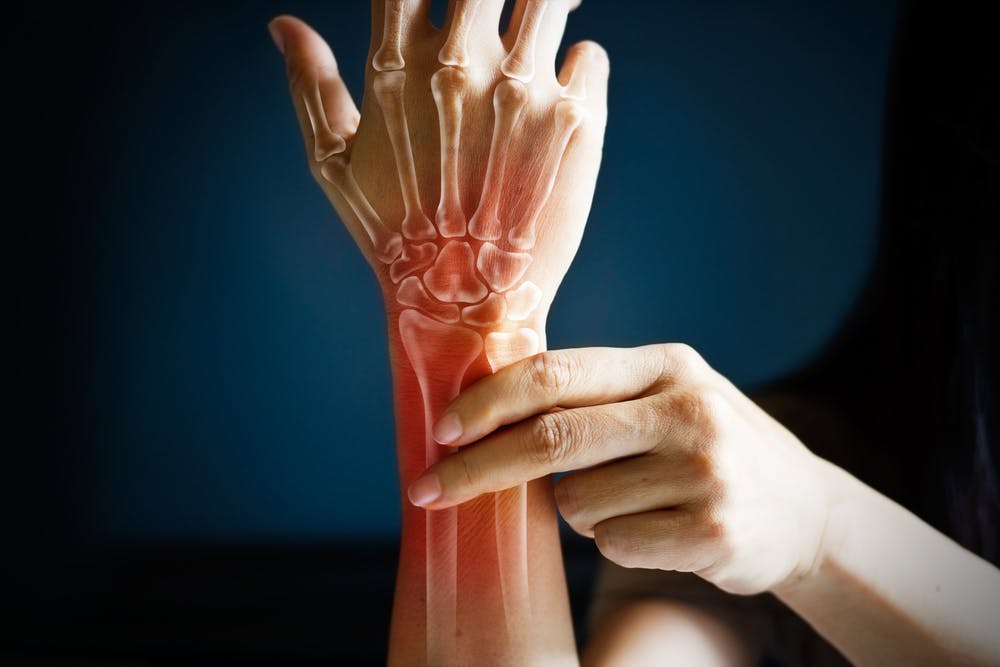
Movements like pull-ups, weightlifting, push-ups, or planks can strain the wrist if performed with poor form or excessive weight.
Prevention: Warm up your wrists with rotations before training, avoid pushing through overly demanding movements, and if wrist pain develops, stop exercising, limit wrist movement, and seek medical attention if it doesn’t improve quickly.
Shin Splints
Pain along the shin bone (tibia) — commonly called shin splints, or medial tibial stress syndrome — results from repetitive stress that irritates the periosteum, the tissue covering the bone, along with the surrounding muscle attachments.
This is common in running, walking, soccer, and other activities that repeatedly load the lower legs. Symptoms include aching and tenderness along the shin, often after exercise. It exists on a spectrum with stress fractures, which involve an actual small crack in the bone and represent a more serious injury.
Prevention: Warm up before training, and balance lower-body training with whole-body conditioning rather than overloading the shins repeatedly. Some people find relief from soaking the feet in warm water, though this is a comfort measure rather than a treatment. See a doctor if pain persists or worsens, to rule out a stress fracture.
Read more: Cardio exercises for people with knee pain when exercising
Tips to Prevent Injuries During Exercise
Never Skip the Warm-Up
Skipping a proper warm-up increases the risk of muscle strain and ligament injury, and can leave muscles under-oxygenated as exercise demands increase, contributing to earlier fatigue. This matters even more in cold weather, when muscles and joints need extra time to loosen up.
Avoid Overtraining
Use a spotter for heavy lifts, start with lighter weights and progress gradually so your muscles, bones, and joints can adapt, and avoid pushing past your current capacity. Build in 2-3 rest days per week for major muscle groups after intense training.
Manage Fatigue
Adequate sleep, proper hydration, and balanced nutrition (including sufficient protein, fruits, and vegetables) all support recovery and reduce injury risk. A fatigued body is more prone to form breakdown, which raises injury risk.
Find a Sustainable Training Frequency
Training frequency should allow for real recovery. Pay attention to how you feel, and don’t hesitate to scale back or rest when something feels off — pushing through fatigue without adequate rest increases injury risk over time.
Stay Lightly Active on Rest Days
Gentle activity like easy walking or yoga on rest days can support recovery, but avoid turning a rest day into another intense session — the goal is active recovery, not additional training stress.
The Bottom Line
Most cardio and strength training injuries come down to a few preventable factors: skipping warm-ups, progressing too quickly, and ignoring pain signals. Building in proper warm-up time, gradual progression, adequate rest, and attentive self-monitoring goes a long way toward training safely — and persistent or severe pain, joint instability, or any signs of cauda equina syndrome always warrant prompt medical attention rather than pushing through.
Frequently Asked Questions
What are the most common injuries from cardio and weight training?
Common injuries include low back strain, patellar (knee) tendonitis, tennis elbow, hip tendonitis, shoulder strain or bursitis, ankle sprains, wrist sprains, and shin splints. Most result from poor technique, inadequate warm-up, or increasing intensity too quickly.
When is low back pain from exercise a medical emergency?
Seek emergency care immediately if back pain is accompanied by numbness in the groin or inner thighs, loss of bladder or bowel control, or rapidly worsening leg weakness. These can indicate cauda equina syndrome, a rare but serious compression of spinal nerves that requires prompt surgical evaluation.
What is the difference between shin splints and a stress fracture?
Shin splints (medial tibial stress syndrome) involve inflammation of the periosteum, the tissue covering the shin bone, caused by repetitive stress. A stress fracture is an actual small crack in the bone and is a more serious injury on the same continuum. Both typically require reduced activity and, if pain persists or worsens, medical evaluation to tell them apart.
How can I prevent common exercise injuries?
Warm up before every session, increase weight or intensity gradually, use a spotter for heavy lifts, prioritize proper form over lifting more weight, allow 2-3 rest days per week for major muscle groups, and stay attentive to pain signals rather than pushing through them.
Should I keep exercising through pain?
No. Mild muscle fatigue is normal, but sharp, persistent, or worsening pain is a signal to stop, rest, and consider seeing a doctor, especially if it's joint-related or accompanied by swelling, instability, or reduced range of motion.
References
- Mayfield Clinic — cauda equina syndrome overview, symptoms, and emergency warning signs.
- American Academy of Orthopaedic Surgeons (OrthoInfo) — shin splints (medial tibial stress syndrome) and patellar tendonitis overviews.
- American Council on Exercise (ACE) — injury prevention guidance for resistance and cardio training.
- National Strength and Conditioning Association (NSCA) — training progression and recovery recommendations.