

Walk into almost any gym and you’ll spot a mix of lifters wearing gloves and lifters going bare-handed. Are gloves actually useful for training, or mostly a matter of personal preference? Here’s an honest breakdown of what gym gloves do and don’t do, who might benefit from them, and what alternatives are worth considering.
Should You Use Gym Gloves?
This is a genuinely divisive question in the fitness community — some lifters swear by gloves, while others skip them entirely. A look at the main drawbacks helps explain why opinions are so split.
They Don’t Fully Prevent Calluses
A common assumption is that gloves prevent hand calluses, but that’s only partly true. Gloves can reduce some friction, but pressure from the bar or dumbbell still transfers through the material to the skin underneath, and barbell work in particular still involves constant contact and friction at the palm.

As a result, gloves don’t completely prevent callus formation, and during long training sessions or with especially heavy loads, they may not offer much protective benefit at all.
They Can Limit Grip Development
Relying on gloves regularly can noticeably reduce the direct force feedback between your hand and the equipment. The extra material adds thickness between your palm and the bar, which can make your grip feel less precise and may slow the natural development of grip strength over time — often cited as the biggest downside of frequent glove use.
That said, gloves do offer real benefits in the right context. They can improve your sense of security by reducing the risk of a weight slipping from your hands, which lets you focus more on your stance and positioning during a lift.
They Can Encourage Over-Reliance on Wrist Support
Many gym gloves wrap around the wrist to help reduce pressure in that area, which can lead lifters to depend on that support during workouts. Even without gloves, the wrist absorbs meaningful load during many exercises — the difference is whether you’re building the surrounding strength and stability to handle it, or offloading that job to an accessory.

Who Should Consider Using Gloves
Gloves are particularly useful for people recovering from a minor wrist or hand injury, since they can provide extra support and help reduce the risk of aggravating it further. Experienced lifters who simply prefer the added comfort are another group that reasonably benefits from gloves — at that stage, it’s largely a matter of personal preference rather than necessity.
Many coaches recommend that beginners skip gloves at first, so they can build natural grip strength through direct contact with the bar rather than relying on external support from day one. For beginners, gloves are more reasonably considered for heavier, lower-rep lifts where the wrist bears more load — but establishing solid form and a strength foundation should come before adding any support accessory.
If you’re unsure whether gloves are right for you, it’s reasonable to experiment with and without them across a few sessions before deciding — just be mindful not to lean on them as a long-term crutch.
Read more: 6-Week Beginner Gym Workout Program
Alternatives to Gym Gloves
If you want better grip without the trade-offs of gloves, a few alternatives are worth considering:
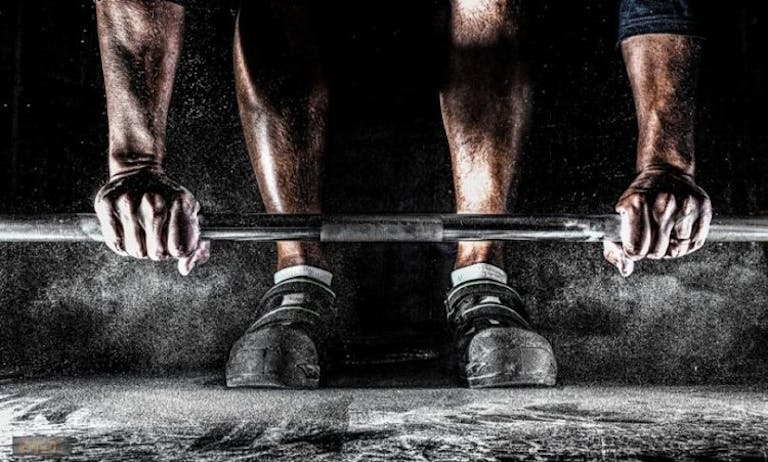
- Chalk: improves grip by absorbing moisture and reducing slipperiness, without adding bulk between your hand and the bar or limiting natural grip development.
- Wrist wraps: provide targeted wrist support without covering the entire hand, which is useful for heavier lifts where wrist stability matters most.
- Hand/grip pads: wrap around the bar directly, offering some comfort and cushioning without the full coverage (and grip interference) of a glove.
The Bottom Line
Whether to wear gym gloves comes down to your comfort, goals, and any current wrist or hand issues — there’s no universal right answer. If you do use gloves, make sure they’re actually improving your grip and giving your wrists reasonable support, rather than just adding bulk or, worse, fitting so tightly that they restrict blood circulation.
Frequently Asked Questions
Do gym gloves prevent calluses?
Not completely. Gloves reduce some friction, but pressure and rubbing still reach the skin underneath, especially during heavy or prolonged lifting. Gloves can soften callus formation, but they won't eliminate it entirely.
Do gym gloves weaken your grip over time?
Relying on gloves regularly can limit the grip strength you'd otherwise build through direct contact with a bar or dumbbell. The added material between your palm and the equipment can also make your grip feel less precise, which is why some coaches recommend beginners train grip strength without gloves at first.
Who should consider wearing gym gloves?
Gloves can help people with a minor wrist or hand injury who need extra support, and experienced lifters who simply prefer the added comfort. Many coaches suggest beginners skip gloves early on to build natural grip strength, though gloves can be reasonable for heavier, lower-rep lifts where the wrist takes on more load.
What are good alternatives to gym gloves?
Gym chalk improves grip without limiting hand strength development, wrist wraps offer wrist support without covering the palm, and grip/hand pads wrap around a bar for comfort without the bulk of a full glove.
Can gym gloves be worn too tight?
Yes. Gloves that fit too tightly can restrict blood circulation to the hand, which can cause numbness or discomfort during a workout. Gloves should feel snug enough to stay in place without cutting off circulation.
References
- National Strength and Conditioning Association (NSCA) — grip training and hand protection considerations for resistance training.
- American Council on Exercise (ACE) — guidance on training accessories, including gloves, wrist wraps, and chalk.