

Gestational diabetes affects roughly 2 to 10% of pregnant women in the U.S. and requires careful attention to diet, including fruit choices. If you’re managing gestational diabetes, you may be wondering whether melon is a safe choice. Here’s what to know about its nutrition, how it affects blood sugar, and how to fit it into a gestational diabetes meal plan.
Nutritional Value of Melon
Melon is a hydrating, low-calorie fruit. A typical 150g serving provides approximately 54 calories, about 13.6g of carbohydrates (including roughly 12g of natural sugar), 1.2g of fiber, 0.8g of protein, and nutrients like potassium, magnesium, and vitamin C.
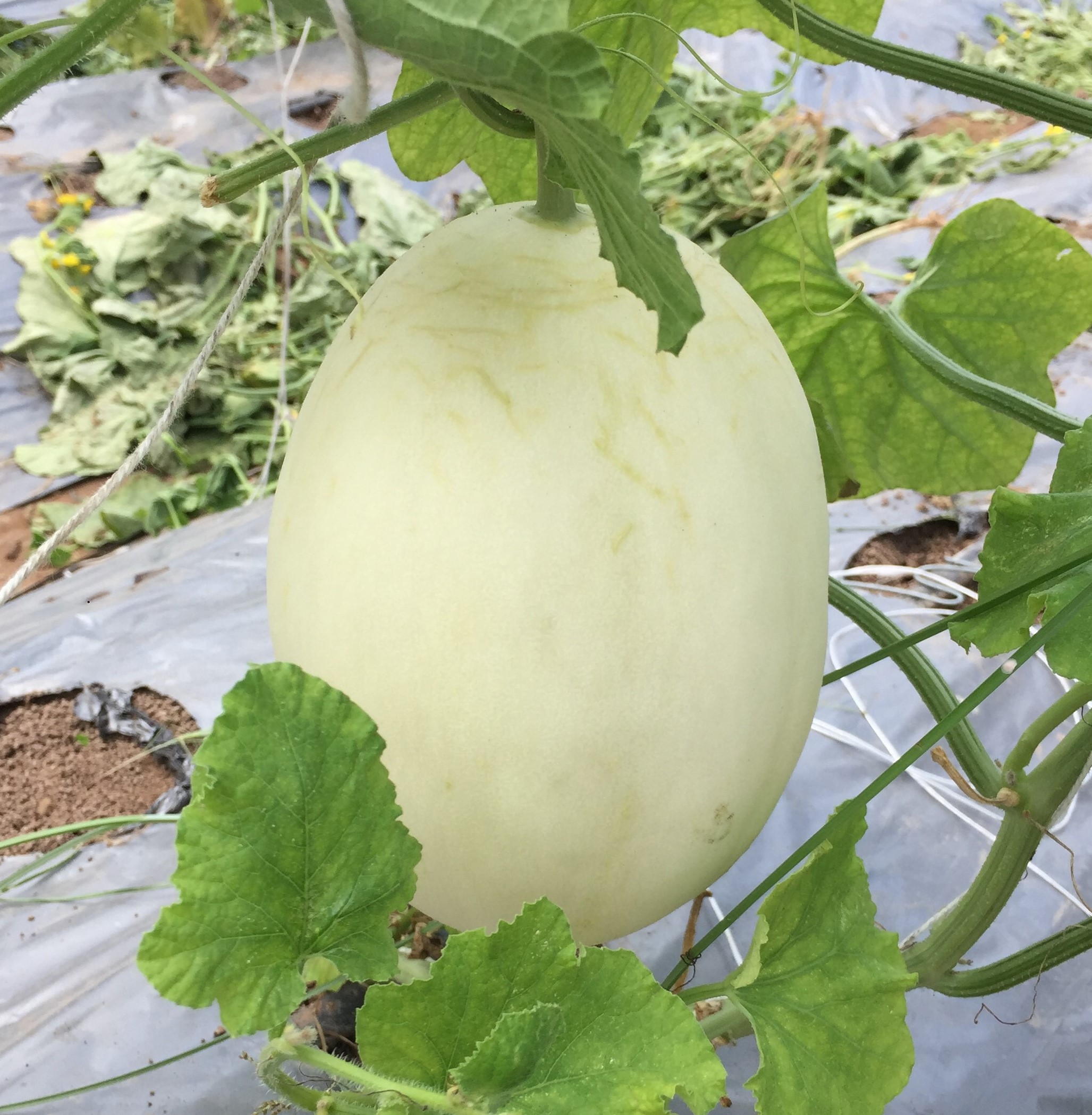
As part of an overall balanced diet, melon can offer several general nutritional benefits during pregnancy:
- Provides fluids and electrolytes, since melon is very high in water content, which can help with hydration.
- Contains vitamin C, which supports immune function and skin health as part of an overall nutritious diet.
- Provides potassium, which plays a role in supporting healthy blood pressure.
- Offers a modest amount of fiber, which supports digestion — many people find melon gentler on the stomach than some other high-fiber fruits.
- Contains folate, which contributes to overall nutrient intake, though it’s not a substitute for a prenatal folic acid supplement, which remains the primary evidence-based way to reduce neural tube defect risk.

Melon offers real nutritional value, but the more important question for someone managing gestational diabetes is how it affects blood sugar.
Can You Eat Melon With Gestational Diabetes?
Generally, yes — in moderation. Melon has a relatively high glycemic index (meaning it can raise blood sugar fairly quickly) but a low glycemic load per typical serving, since it’s mostly water and doesn’t contain a large amount of carbohydrate per portion. This means a reasonable, controlled portion is usually fine for most people with gestational diabetes, but portion size matters more than with lower-GI fruits.

The American Diabetes Association’s general approach to fruit for people with diabetes, including gestational diabetes, isn’t a strict “allowed or forbidden” list — it’s about portion control, pairing fruit with protein or fat to slow sugar absorption, and checking your own blood sugar response, since this varies by individual. Your OB-GYN, endocrinologist, or a registered dietitian who specializes in gestational diabetes can give you personalized guidance based on your specific blood sugar targets and overall meal plan.
Tips for Eating Melon With Gestational Diabetes
A few practical habits can help you enjoy melon while keeping blood sugar in a healthy range:
- Keep portions moderate: Many gestational diabetes meal plans suggest keeping a fruit serving to about 15g of carbohydrate, which for melon is roughly ¾ to 1 cup (around 120–150g) — check with your dietitian for your specific target, since needs vary.
- Choose fresh, properly washed melon: Wash the outer rind thoroughly before cutting, since bacteria on the surface can be transferred to the flesh by the knife. Avoid melon that looks or smells off, or that’s been cut and left at room temperature for an extended period.
- Pair it with protein or fat: Eating melon alongside a source of protein or healthy fat (like a handful of nuts or plain yogurt) can help slow the rise in blood sugar compared to eating it alone.
- Buy from a reliable source: Choose melon from a trustworthy grocer or market, and rinse it well regardless of where it’s from.
- Check your blood sugar response: Everyone responds a little differently. Checking your blood glucose after eating melon (as advised by your care team) can help you understand how it affects you specifically.

Other Fruits That Fit Well With Gestational Diabetes
Beyond melon, a variety of fruits can fit into a gestational diabetes meal plan when eaten in appropriate portions. Fruits that are relatively high in fiber and lower in glycemic impact per serving are generally easier to fit in, including:
- Grapefruit: Rich in vitamin C and antioxidants, with a relatively low glycemic impact per typical serving (about half a grapefruit).
- Berries (like blueberries and strawberries): Lower in carbohydrates relative to their fiber and antioxidant content, making them a popular choice for blood sugar management.
- Kiwi: High in fiber and vitamin C with a moderate glycemic impact, making it another reasonable option in controlled portions.

As a general guideline, one fruit serving is often defined as providing about 15g of carbohydrate — this varies by fruit type and portion size, so a dietitian can help you translate this into specific amounts for the fruits you enjoy.
Fruits to Limit or Enjoy in Smaller Portions
No fruit is strictly “forbidden” with gestational diabetes, but some fruits have a higher sugar content and glycemic load per typical serving, meaning smaller portions (or less frequent servings) may help keep blood sugar more stable:
- Jackfruit: Higher in natural sugar and carbohydrate density per serving compared to many other fruits, so smaller portions are advisable.
- Durian: Notably high in natural sugar and calories per serving; if eaten, small portions and infrequent servings are more appropriate.
- Longan and Lychee: High in sugar relative to their fiber content, which can cause a quicker rise in blood sugar, so portion control matters here as well.

So, can pregnant women with gestational diabetes eat melon? Generally yes, in a controlled portion as part of a balanced diet. The bigger picture with gestational diabetes is less about individual “good” or “bad” foods and more about portion sizes, pairing carbohydrates with protein or fat, and monitoring your own blood sugar response. Regular prenatal visits and working with your care team on a personalized meal plan are the best way to manage gestational diabetes safely for you and your baby. (Wondering about other specific fruits? See our related guides on eating guava with gestational diabetes and eating pumpkin with gestational diabetes.) This article is intended for general education and isn’t a substitute for personalized medical or nutritional advice.
Frequently Asked Questions
Can pregnant women with gestational diabetes eat melon?
Yes, in moderate portions. Melon has a relatively high glycemic index but a low glycemic load per typical serving since it's mostly water, so a controlled portion (around ¾ to 1 cup) generally fits into a gestational diabetes meal plan.
How much melon can I eat with gestational diabetes?
Many meal plans suggest keeping a fruit serving to about 15g of carbohydrate, which is roughly ¾ to 1 cup of melon. Your specific amount may vary, so check with your doctor or dietitian for a target tailored to your blood sugar goals.
Does melon raise blood sugar quickly?
Melon has a fairly high glycemic index, meaning it can raise blood sugar somewhat quickly, but because a typical serving contains a modest amount of carbohydrate, the overall effect (glycemic load) is usually manageable in a controlled portion.
What fruits should I limit with gestational diabetes?
Fruits higher in natural sugar and lower in fiber relative to that sugar — like durian, jackfruit, longan, and lychee — are generally better enjoyed in smaller portions or less often, though no fruit is strictly off-limits when portioned appropriately.
Can eating fruit with protein help control blood sugar?
Yes. Pairing fruit like melon with a source of protein or healthy fat, such as nuts or plain yogurt, can help slow the rise in blood sugar compared to eating the fruit alone.
References
- American Diabetes Association — nutrition guidelines for gestational diabetes and glycemic index/load (diabetes.org).
- American College of Obstetricians and Gynecologists (ACOG) — gestational diabetes management (acog.org).
- USDA FoodData Central — nutrient profile for melon (fdc.nal.usda.gov).
- Centers for Disease Control and Prevention — gestational diabetes prevalence and management (cdc.gov).