
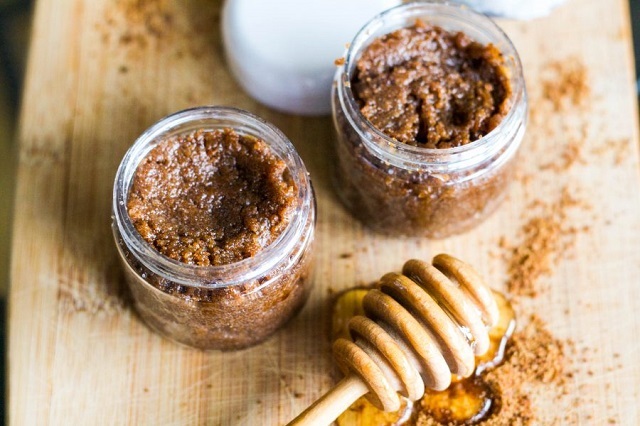
Smooth, soft skin is a common skincare goal, and gentle exfoliation can help you get there. If you’d rather skip pricey store-bought products, a simple scrub made with sugar and honey is easy to whip up with ingredients you probably already have in your kitchen.
Below, you’ll learn what exfoliation does, what sugar and honey can and can’t do for your skin, how to make a single-use face scrub and a larger body scrub, and how to use them safely.

What Does Exfoliation Do?
Your skin naturally sheds dead cells from its outer layer, but sometimes those cells build up. That can make skin look dull and feel rough. Exfoliation helps remove this buildup, which can:
- Make skin feel smoother and softer
- Give your complexion a brighter, fresher look
- Help moisturizers and other skincare products spread more evenly
There are two main ways to exfoliate. Physical (mechanical) exfoliation uses a scrub, brush, or washcloth to buff away dead cells. Chemical exfoliation uses ingredients like alpha hydroxy acids (AHAs) or beta hydroxy acids (BHAs) to loosen them. A sugar scrub is a physical exfoliant.

Is a Sugar Scrub Safe for Your Face?
For many people, yes, as long as you’re gentle and don’t overdo it. But facial skin is thinner and more delicate than skin on your body, and scrubbing too hard or too often can cause redness, irritation, and breakouts.
Skip sugar scrubs on your face, or ask a dermatologist first, if you:
- Have sensitive skin, rosacea, or eczema
- Have active acne, especially inflamed or cystic breakouts
- Have a sunburn, cuts, or irritated skin
- Use prescription retinoids, retinol, benzoyl peroxide, or chemical exfoliants, which already increase skin sensitivity
- Have darker skin and tend to develop dark marks after irritation
If any of these apply, a mild chemical exfoliant or a soft washcloth is often a better choice.
What Sugar and Honey Do for Your Skin
These two ingredients play different roles in a scrub. It helps to know what each one can realistically do.
Sugar

Sugar granules provide the friction that buffs away dead skin cells. Brown sugar is a popular choice because its granules are generally softer and less sharp than coarse white sugar, which makes it a bit gentler on skin. Sugar also partly dissolves as you work it in, which helps keep the scrub from being overly harsh.
What sugar won’t do: The small amount of minerals in brown sugar doesn’t provide meaningful benefits when applied to your skin. Sugar scrubs also won’t fade dark spots, shrink pores, or protect your skin from pollution. Exfoliation can make skin look brighter overall, but for dark spots, ingredients like vitamin C, azelaic acid, or niacinamide plus daily sunscreen are more effective. Learn more in our guide to hyperpigmentation and dark spots.
Honey

Honey isn’t an exfoliant, but it’s a great partner for sugar. It’s a natural humectant, meaning it draws moisture into the skin, so it helps offset the drying effect of scrubbing. Honey also has natural antibacterial and soothing properties, and it gives your scrub a smooth, sticky texture that’s easy to apply. Raw or manuka honey is often preferred, though regular honey works too.
What honey won’t do: Honey doesn’t remove dead skin cells on its own or lighten your skin tone.
How to Make a Sugar and Honey Face Scrub
For your face, it’s best to mix a fresh, small batch each time. That way, there’s no risk of bacteria growing in a stored jar.

Ingredients (one use):
- 1 tablespoon finely granulated brown sugar
- 1 tablespoon raw honey
- 1 teaspoon jojoba or grapeseed oil (optional, for dry skin)
Instructions:
- In a small, clean bowl, stir the ingredients together until they form a thick paste.
- Use it right away and discard any leftovers.
Bigger-Batch Sugar and Honey Body Scrub
If you want a scrub to keep in the shower for your arms, legs, and body, this larger recipe is a good option. The added oil and vitamin E make it more moisturizing.
Ingredients:
- 1 cup brown sugar
- 1/4 cup grapeseed oil
- 1 tablespoon raw honey
- 1/2 teaspoon vitamin E oil
- 1/4 cup bentonite clay (optional, best for oily skin)
- Up to 15 drops chamomile essential oil (optional)
Instructions:
- In a clean bowl, mix the sugar, oil, honey, and vitamin E until evenly combined. Stir in the clay and essential oil, if using.
- Transfer to a clean, airtight jar.
- Store at room temperature and use within about 2 weeks. Throw it out sooner if it changes color, smells off, or shows any sign of mold.
Good to know: Keep water out of the jar, and scoop the scrub out with a clean, dry spoon rather than wet fingers. Water can allow bacteria and mold to grow. Skip the essential oil if you have sensitive skin or are allergic to ragweed, since chamomile can cause reactions in some people. We don’t recommend using this batch on your face because essential oils and clay can be irritating to facial skin.
How to Use Your Scrub
- Do a patch test first. Apply a small amount to your inner forearm, rinse after a minute, and wait 24 hours. Don’t use the scrub if you notice redness, itching, or a rash.
- Cleanse and dampen your skin. Wash your face or body with a gentle cleanser and leave the skin slightly damp.
- Apply gently. Use your fingertips to massage a small amount onto your skin in small, circular motions for about 30 seconds. Use light pressure and avoid the delicate skin around your eyes.
- Rinse with lukewarm water. Hot water can strip moisture and add to irritation.
- Pat dry and moisturize. Apply a gentle, fragrance-free moisturizer while your skin is still slightly damp.
- Protect your skin from the sun. Freshly exfoliated skin can be more sensitive to the sun, so apply a broad-spectrum sunscreen with SPF 30 or higher during the day.
How Often Should You Use It?
- Face: Start with once a week. If your skin tolerates it well, you can increase to twice a week, but no more.
- Body: One to two times a week is enough for most people.
If your skin looks red, feels tight or stings, or starts breaking out more, you’re exfoliating too often or too hard. Take a break and let your skin recover.
Gentler Alternatives
If scrubs feel too rough for your skin, try one of these options:
- A soft washcloth: Gently wiping your skin with a damp washcloth offers very mild exfoliation.
- Mild chemical exfoliants: Products with lactic acid or mandelic acid are often well tolerated by sensitive skin.
- A gentle cleanser: Sometimes a good daily cleansing routine is all your skin needs. See our article on how to prevent skin aging with a facial cleanser.
For more DIY ideas, check out our honest look at at-home remedies for brighter skin.
Frequently Asked Questions
Can I use a sugar scrub on my face every day?
No. Daily scrubbing can damage your skin’s protective barrier and cause redness, irritation, and breakouts. Use a sugar scrub on your face no more than once or twice a week.
Is brown sugar or white sugar better for a face scrub?
Brown sugar is usually the better choice because its granules tend to be softer and less sharp than coarse white sugar. Whichever you use, choose finely granulated sugar and apply it with light pressure.
Is a sugar and honey scrub good for sensitive skin?
Not always. Physical scrubs can irritate sensitive skin, especially if you have rosacea or eczema. If your skin is sensitive, do a patch test first, or choose a gentle chemical exfoliant or soft washcloth instead.
Can a sugar scrub remove dark spots?
No. Exfoliation can make your complexion look brighter overall, but it won’t fade dark spots on its own. Ingredients like vitamin C, azelaic acid, and niacinamide, along with daily sunscreen, are more effective for dark spots.
How long does a homemade sugar scrub last?
A batch made without water lasts about 2 weeks at room temperature in a clean, airtight jar. For your face, it’s best to mix a fresh, single-use batch each time.
The Bottom Line
A sugar and honey scrub is an easy, affordable way to exfoliate and leave your skin feeling smoother. Sugar gently buffs away dead skin cells, while honey helps your skin hold on to moisture. Keep your expectations realistic: a scrub won’t fade dark spots or shrink pores. Be gentle, limit facial use to once or twice a week, follow up with moisturizer and sunscreen, and skip it if you have sensitive, irritated, or acne-prone skin.
References
- American Academy of Dermatology. How to Safely Exfoliate at Home.
- Burlando B, Cornara L. Honey in Dermatology and Skin Care: A Review. Journal of Cosmetic Dermatology, 2013;12(4):306–313.
- Medical News Today. How to Exfoliate Your Face Naturally.