
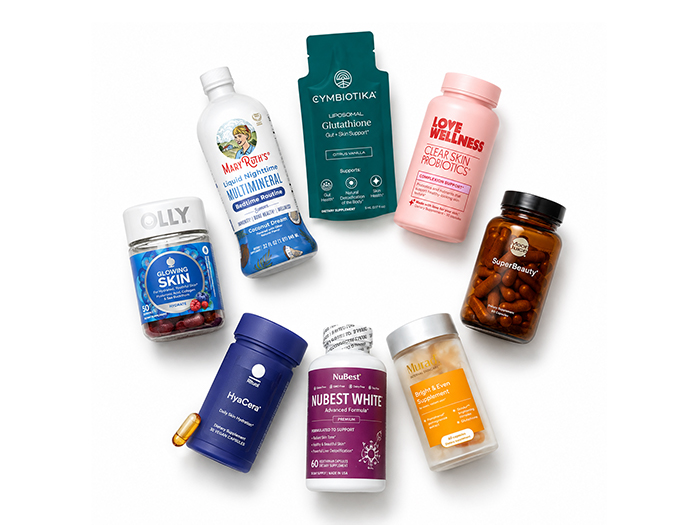
Topical serums and sunscreen are essential for even, radiant skin — but a growing number of people are pairing them with supplements that target dullness and uneven tone from within. With so many options on shelves and across social media, it can be hard to know which ones are actually worth trying. Here's an honest breakdown of eight well-known skin brightening supplements, the science behind their key ingredients, and how to choose the right one for your skin goals.
- Skin brightening supplements are meant to complement topical products and sunscreen, not replace them — they work from within to support tone and radiance over time, not overnight.
- Glutathione, vitamin C, and alpha lipoic acid are among the most studied ingredients for supporting a brighter, more even complexion, though evidence for glutathione specifically is still developing and shouldn't be treated as a guaranteed fix on its own.
- Hyaluronic acid, ceramides, and collagen peptides support hydration, which can make skin look more radiant even without directly affecting pigmentation.
- Daily SPF, a nutrient-rich diet, and good sleep matter just as much as any supplement for visible results.
- Look for third-party tested, GMP-certified products, and always check with a doctor before starting if you're pregnant, breastfeeding, or managing a health condition.
8 Skin Brightening Supplements Worth Knowing About
These are widely available, well-known options — reviewed here based on their publicly listed ingredients and claims. This isn't a personal endorsement of any single product, and as with any supplement, individual results vary.
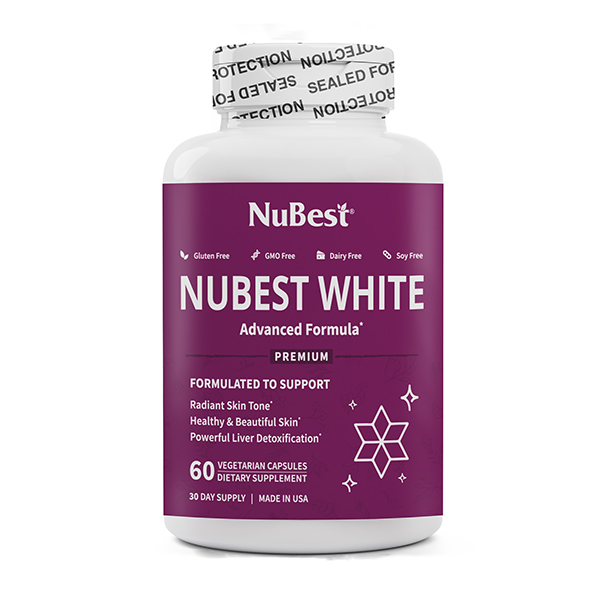
NuBest White
Combines glutathione with alpha lipoic acid and green tea extract for antioxidant support, plus vitamins C and E, which are commonly paired with glutathione since they may help support its activity in the body. Positioned as a general daily brightening formula rather than a targeted treatment.
- Straightforward ingredient list
- Widely available
- Affordable vs. competitors
- Needs 8–12+ weeks of use
- Not for pregnancy/breastfeeding
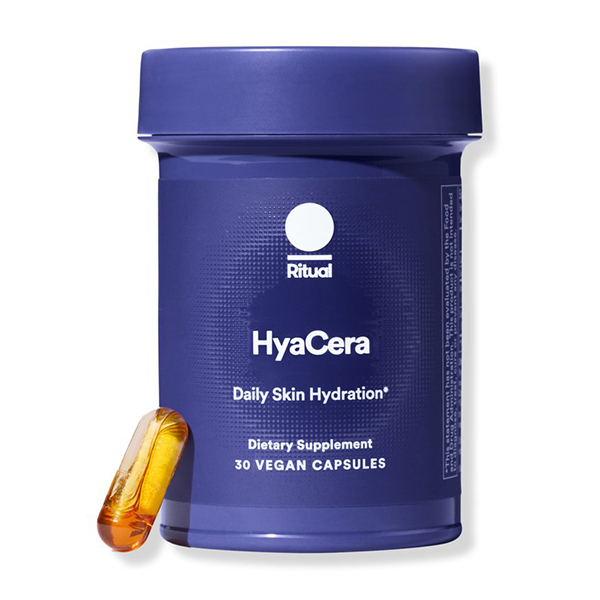
Ritual HyaCera
Not a traditional "brightening" formula — a hydration-focused supplement. Since dry, dehydrated skin often looks duller, improving moisture retention can indirectly support a more radiant appearance. Both key ingredients have published clinical research behind them for hydration and elasticity.
- Clinically studied ingredients
- Vegan & allergen-friendly
- Third-party tested
- Premium price
- Not a direct pigmentation treatment
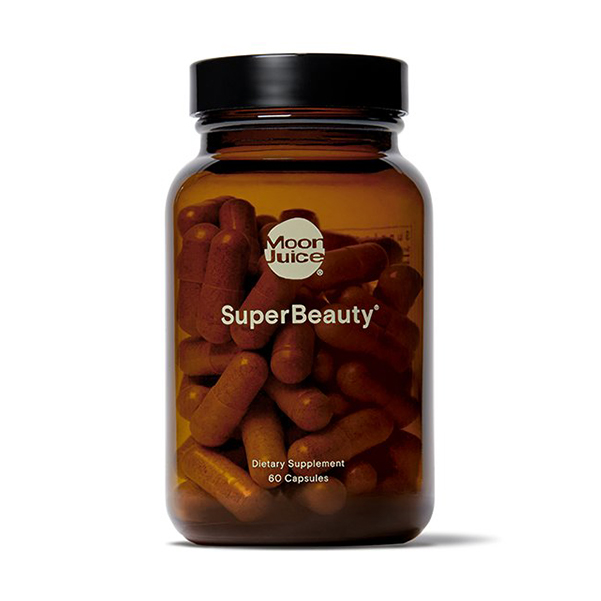
Moon Juice SuperBeauty
Leans on glutathione and vitamin C for antioxidant support, plus astaxanthin — a carotenoid studied for skin protection against UV-related oxidative stress — and silica, more associated with collagen and connective tissue than tone specifically.
- Vegan formula
- Broad antioxidant profile
- Premium pricing
- Some doses on the lower end
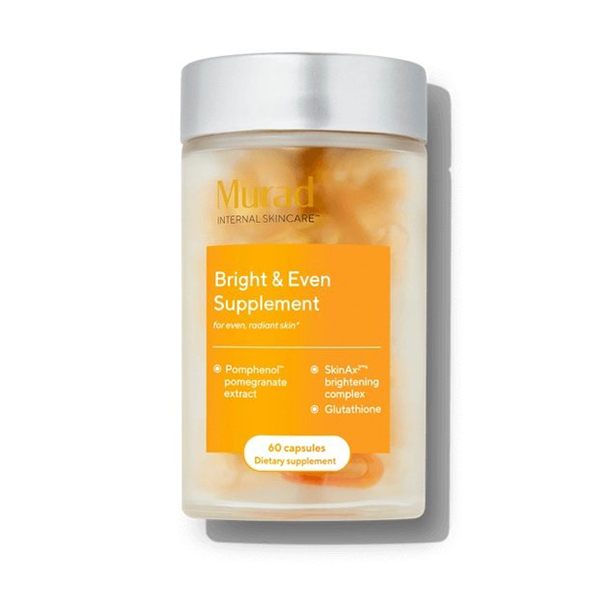
Murad Bright & Even Supplement
From a dermatology-focused brand, combining glutathione with a proprietary pomegranate antioxidant blend and hyaluronic acid for hydration. Murad reports visible tone improvements in an internal 12-week study — worth noting this wasn't independently replicated.
- Dermatology-focused brand
- Pairs with topical line
- Mild GI discomfort reported
- Noticeable herbal taste
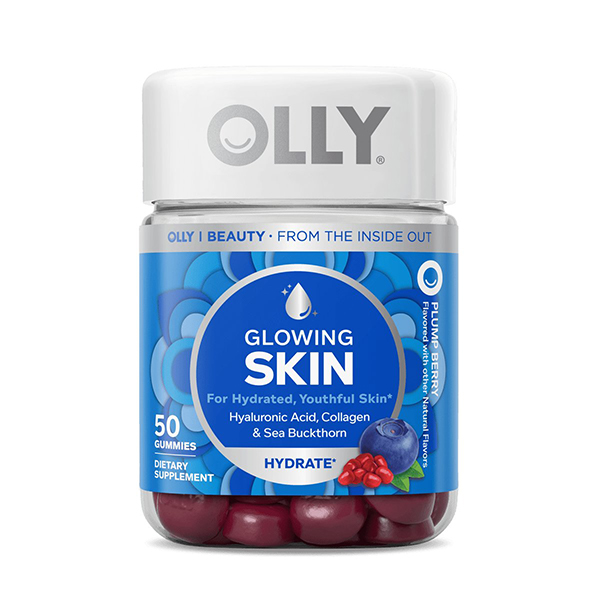
Olly Glowing Skin
A budget-friendly gummy combining hydration and collagen support with sea buckthorn, rich in vitamin C and fatty acids. No glutathione, and not marketed as a targeted pigmentation treatment — more of a general skin-support supplement.
- Most affordable option
- Easy gummy format
- Contains added sugar
- Unlikely to change pigmentation dramatically
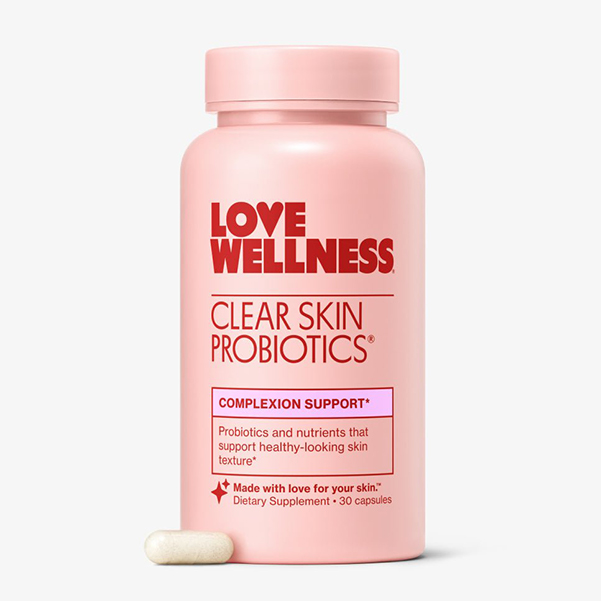
Love Wellness Clear Skin Probiotics
Targets the gut-skin connection rather than pigmentation directly. Zinc and chaste tree extract are more associated with hormonal acne support; the probiotic strain has published research behind general skin and gut health outcomes.
- Targets a root cause (gut health)
- Dairy-free, gluten-free
- Not a direct brightener
- Not vegan (check label)
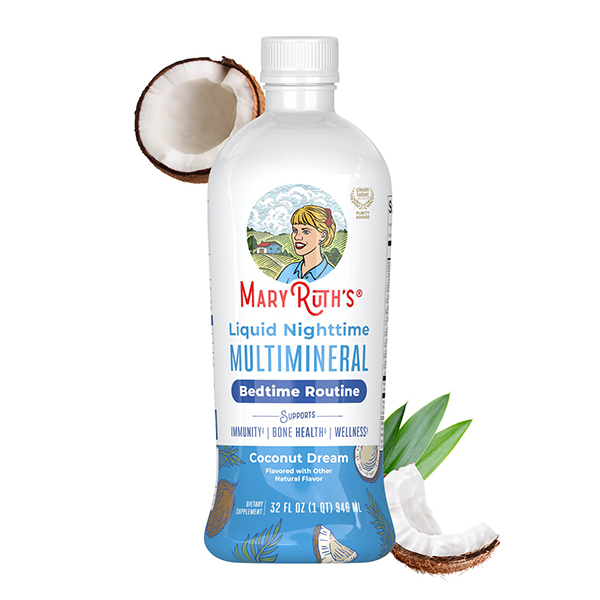
MaryRuth’s Liquid Nighttime Multimineral
Leans toward general anti-aging and mineral support over direct pigmentation treatment. Sepitone is studied for skin elasticity and texture; the brand cites a study where most participants felt their skin looked brighter — "brighter-looking" and "reduced pigmentation" are worth distinguishing.
- Vegan, non-GMO
- Comprehensive minerals
- Needs refrigeration after opening
- Focused on anti-aging, not pigmentation
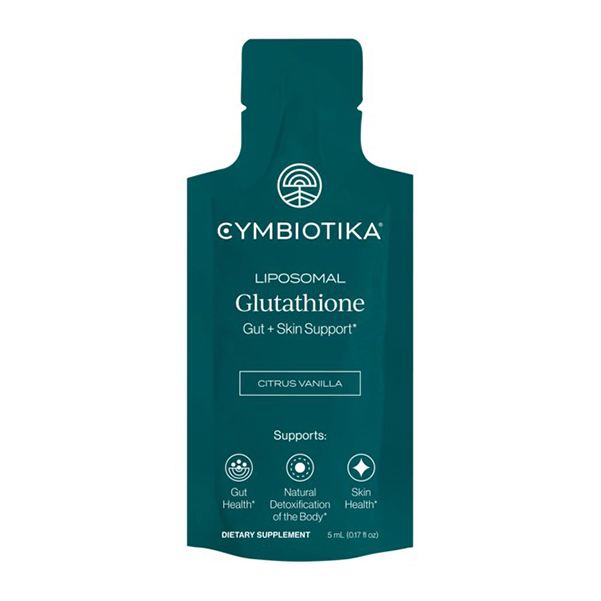
Cymbiotika Liposomal Glutathione
A liquid, liposomal glutathione supplement designed to survive digestion better than standard capsules, which may improve absorption — though large-scale human studies confirming better skin outcomes from liposomal vs. standard glutathione are still limited.
- Liposomal delivery format
- Vegan, non-GMO
- Pricier option
- Distinct taste in liquid form
How to Choose the Right Skin Brightening Supplement
Start With Your Specific Goal
Not every "brightening" supplement targets the same concern:
General Dullness
Antioxidant-forward formulas with vitamin C, glutathione, or astaxanthin are commonly used for this.
Dark Spots or Melasma
Glutathione + vitamin C combos are the most marketed option, but set realistic expectations — evidence is still developing. A dermatologist can offer more targeted treatment for persistent melasma.
Uneven Texture or Tone
Niacinamide and alpha lipoic acid are commonly included for this purpose.
"Lit-From-Within" Glow
Hyaluronic acid, ceramides, and collagen peptides plump skin from within, supporting visible radiance.
Acne-Related Discoloration
Zinc, probiotics, and gut-skin axis formulas can help address breakouts that leave marks behind.
Overall Anti-Aging
Collagen peptides and branded elasticity ingredients (like Sepitone) support firmness and texture alongside brightness.
Look for Ingredients With Real Research Behind Them
Because supplements face less regulatory scrutiny than medications, it's worth favoring brands that are transparent about dosing and cite real research.
| Ingredient | What It's Used For |
|---|---|
| Vitamin C | Well-documented for supporting collagen synthesis and antioxidant protection — among the better-established ingredients in this category. |
| Vitamin E | Works alongside vitamin C as a complementary antioxidant. |
| Niacinamide (B3) | Reasonably well studied, mainly in topical form, for barrier support and reducing the appearance of uneven pigmentation. |
| Alpha Lipoic Acid | An antioxidant studied for supporting the body's own antioxidant systems. |
| Glutathione | Widely marketed for brightening, but evidence — especially oral supplementation — is still developing and mixed. Reasonable to try, not a guaranteed fix. |
| Collagen Peptides | Support elasticity and hydration, contributing to overall radiance rather than tone specifically. |
| Probiotics | An emerging research area connecting gut health to skin inflammation and clarity. |
Prioritize Clean, Well-Tested Formulas
Regardless of which ingredients you choose, favor products that check these boxes:
- Third-party tested (NSF, USP, or similar)
- Manufactured in a GMP-certified facility
- Transparent about exact ingredient amounts
- Free from unnecessary fillers or contaminants
Tips to Get More Out of Any Skin Brightening Routine
Wear Sunscreen Every Day
UV exposure is the single biggest driver of uneven pigmentation and dark spots — no supplement can outpace ongoing sun damage. Use broad-spectrum SPF 30+ daily, even indoors or on cloudy days, and reapply every two hours outdoors. Add a hat and UV-blocking sunglasses during peak sun hours (10 AM–4 PM).
Support Your Skin Through Diet
Supplements work best alongside, not instead of, a nutrient-dense diet:
- Colorful produce: berries, leafy greens, carrots, sweet potatoes
- Healthy fats: fatty fish, walnuts, flaxseed, chia seeds
- Protein: eggs, poultry, fish, legumes, yogurt
- Vitamin C foods: citrus, bell peppers, kiwi
- Hydration: ~8 glasses of water daily
Prioritize Sleep
Skin does much of its repair work during sleep, including collagen production and cell turnover. Aim for 7–9 hours of consistent, quality sleep to support these processes.
Keep Up a Basic Skincare Routine
Exfoliate 2–3 times a week to remove dull, dead skin cells, and pair a vitamin C serum with daily sunscreen for extra topical support alongside anything you take orally.
Be Patient and Consistent
Most skin brightening supplements, if they work at all, require 8–12 weeks of consistent daily use before any visible change, and deeper pigmentation can take longer still. Giving up too soon is the most common reason results feel disappointing.
There's no single "miracle pill" for glowing, even-toned skin — brightening supplements work best as one part of a broader routine that includes daily sunscreen, a nutrient-rich diet, good sleep, and consistent skincare. Ingredients like vitamin C, alpha lipoic acid, and hydration-focused compounds (hyaluronic acid, ceramides, collagen) have reasonably solid research behind them; glutathione is the most heavily marketed brightening ingredient but still has developing, mixed evidence, so it's worth trying with realistic expectations rather than as a guaranteed fix. If you're dealing with persistent dark spots, melasma, or another specific skin concern, a dermatologist can offer a personalized, evidence-based treatment plan alongside anything you choose to try here. This article is intended for general education and isn't a substitute for professional dermatological advice.
Frequently Asked Questions
People with asthma or a history of sulfur sensitivity should be cautious, since glutathione may trigger breathing difficulties or allergic reactions in some individuals. Pregnant or breastfeeding women should check with their doctor before use, since safety data in these groups is limited.
Dramatic changes in that timeframe are unlikely. You may notice some improvement in surface radiance from exfoliating, using a vitamin C serum, staying hydrated, and getting good sleep, but meaningful changes in pigmentation from supplements generally take 8 weeks or longer of consistent use.
No single ingredient is a guaranteed fix. Vitamin C has some of the strongest research behind it for collagen support and antioxidant protection, while hyaluronic acid and collagen peptides support the hydration that makes skin look radiant. These generally work best in combination, alongside sunscreen and a healthy diet.
They're often used together rather than as competitors. Vitamin C has a longer, more established research history for skin health and collagen support, while glutathione is more heavily marketed for pigmentation specifically but has less consistent supporting evidence. Many formulas combine both, since vitamin C may help support glutathione's activity in the body.
Most ingredients discussed here (vitamin C, alpha lipoic acid, hyaluronic acid, collagen) have a reasonably well-established long-term safety profile at standard doses. Glutathione's long-term safety data, especially at high doses, is less extensive, so periodic breaks and check-ins with a doctor are a reasonable precaution.
References
- National Center for Complementary and Integrative Health (NCCIH) — antioxidant supplements and skin health (nccih.nih.gov).
- National Institutes of Health, Office of Dietary Supplements — Vitamin C fact sheet (ods.od.nih.gov).
- American Academy of Dermatology — sunscreen guidelines and pigmentation treatment options (aad.org).
- Sato S, et al. "Effects of Bifidobacterium longum BB536 and Bifidobacterium breve MCC1274 on Body Composition in Normal and Overweight Adults." Nutrients, 2024.
- Nobile V, et al. "Antiaging, Brightening, and Antioxidant Efficacy of Fermented Bilberry Extract." Nutrients, 2024.