

Not all dietary fat affects the body the same way. Some fats support heart and brain health, while others raise cardiovascular risk when eaten in excess. This guide breaks down the main types of fat, what the science says about each, and which everyday foods can help you build a healthier, more balanced diet.
How Dietary Fats Are Classified
Fat is one of the three macronutrients the body needs, but not all fat sources affect health the same way. Understanding the different categories can help you make more informed choices about what to eat.
Unsaturated (Healthy) Fats
Unsaturated fats include two main types: monounsaturated fats and polyunsaturated fats. Omega-3 and omega-6 fatty acids fall under the polyunsaturated category. These fats are generally associated with better cardiovascular health when they replace saturated fat in the diet.
Unsaturated fats are also linked to a lower risk of atherosclerosis (plaque buildup in the arteries). While fat in general is sometimes blamed for weight gain, unsaturated fats specifically support the production of HDL (“good”) cholesterol as part of an overall balanced diet.
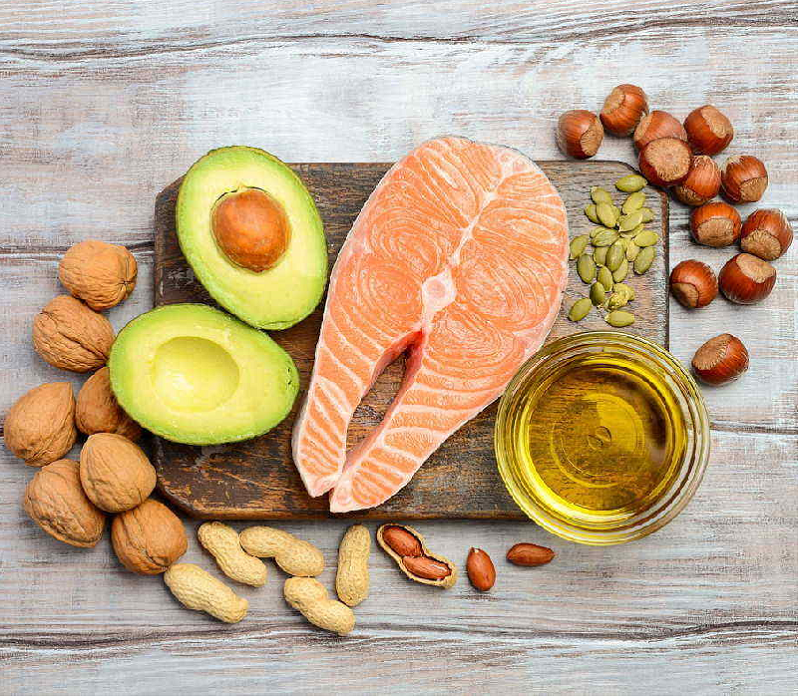
Unsaturated fats are commonly found in olive oil, canola oil, various nuts, lean meats, and avocados. Regularly including these foods in your diet may help support healthier blood cholesterol levels and lower cardiovascular risk over time.
Omega-3 and omega-6 fatty acids are essential fats the body cannot produce on its own — they must come from food. Good sources include tuna, salmon, legumes, and sunflower seeds. These polyunsaturated fats can help support healthier cholesterol levels and may ease joint discomfort associated with inflammation.
Saturated and Trans Fats
Saturated fat, when eaten in excess, is linked to higher LDL (“bad”) cholesterol. Foods high in saturated fat — including butter, fatty cuts of beef or pork, and margarine — are best enjoyed in moderation.
Saturated fats are found primarily in animal products and dairy, such as fatty beef, chicken skin, cheese, cream, and in some plant oils like palm oil and cocoa butter. Regularly eating large amounts of saturated fat raises LDL cholesterol and increases cardiovascular risk over time.
Trans fat behaves similarly to saturated fat but is generally considered more harmful: it lowers protective HDL cholesterol while raising harmful LDL cholesterol, contributing to a higher risk of heart disease, type 2 diabetes, and stroke. Trans fats are found in some french fries, fast food, and commercially baked goods.

Because the body cannot produce essential fatty acids on its own, dietary intake matters — but that’s exactly why choosing the right sources of fat is important. Nutrition experts generally recommend limiting saturated fat intake to less than 10% of total daily calories, since regularly eating too much can contribute to clogged arteries and related health problems over time.
You can help manage your cholesterol levels by replacing some saturated fat with unsaturated fat sources — olive oil, nuts, and fatty fish, for example — or by choosing lean proteins over fattier cuts. For people following a vegetarian diet, eggs can be a useful way to get essential fatty acids without meat.
Types of Healthy Fat and Their Benefits
Here’s a closer look at each type of healthy fat, its benefits, and common food sources.
Monounsaturated Fat
Found in olive oil, avocados, and nuts, monounsaturated fats may support:
Weight management: Diets higher in monounsaturated fat and lower in refined carbohydrates have been associated with more effective weight management in some studies, in part because excess refined carbohydrate intake can contribute to weight gain.
Cardiovascular health: Elevated blood cholesterol contributes to artery blockages that can lead to heart attack and stroke. Monounsaturated fats can help lower blood cholesterol and triglyceride levels, and a balanced diet overall supports healthy blood pressure.
Insulin sensitivity: Insulin regulates blood sugar by helping glucose move into cells, which is important for preventing high blood sugar and type 2 diabetes. Monounsaturated fats may support healthy insulin function as part of a balanced diet.
Polyunsaturated Fat
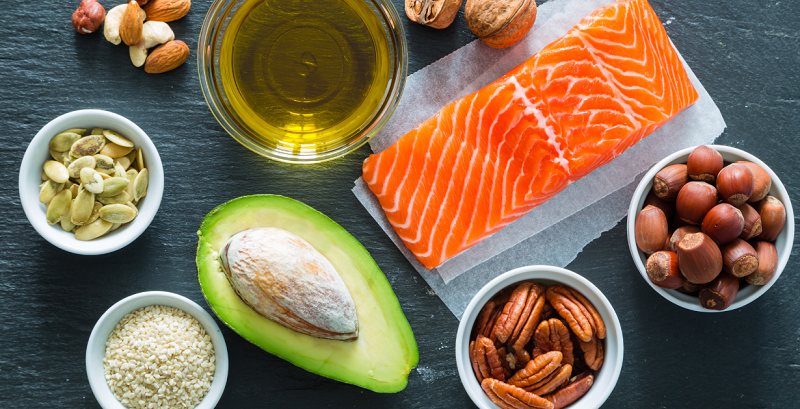
Similar to monounsaturated fats but with an even broader role in the body, polyunsaturated fats come from plant sources such as roasted soybeans, soy nut butter, walnuts, pine nuts, and vegetable oils like corn oil and sesame oil.
Most everyday meals contain a mix of fat types. Being mindful of your choices matters — a diet heavy in fried and processed foods will affect your health very differently than one built around whole, plant-based foods and vegetables.
Omega-3 Fatty Acids
EPA, DHA, and ALA are the most common omega-3 fatty acids and are important structural components of cell membranes. Omega-3s are associated with:
- Heart health support: omega-3s may help raise HDL (“good”) cholesterol, lower triglycerides, support healthy blood pressure, and help limit plaque buildup in the arteries.
- Liver health: adequate omega-3 intake is linked to less fat accumulation in the liver.
- Anti-inflammatory effects: omega-3s can help lower certain markers of chronic inflammation.
- Respiratory health: some research suggests omega-3 intake may be associated with milder asthma symptoms in certain populations, though the evidence is still limited and omega-3s are not a substitute for prescribed asthma treatment. Separately, a Western diet that’s low in omega-3 has also been linked to higher rates of obesity and type 2 diabetes.
For a deeper look at omega-3s specifically — including food sources, dosage guidance, and supplement considerations — see our full guide to the benefits of omega-3 fats.

Omega-6 Fatty Acids
Omega-6 fatty acids are also essential for the body’s functions. Adequate omega-6 intake is associated with:
Cardiovascular support, by helping manage cholesterol and triglyceride levels — a benefit that may be particularly relevant for older adults, alongside omega-6’s role in supporting brain and eye nourishment.
Common sources of omega-6 include flaxseed oil, sunflower oil, soybean oil, mayonnaise, salad dressings, and margarine.
That said, balance between omega-3 and omega-6 matters. The typical Western diet tends to run high in omega-6 relative to omega-3 — often estimated at 15:1 to 20:1 — and some researchers suggest a lower ratio, generally in the range of 1:1 to 4:1, may be more favorable for reducing chronic disease risk. This remains a debated area of nutrition science, and no single ratio has been definitively established as optimal for everyone. Working toward a more balanced ratio generally means eating more omega-3-rich foods (like fatty fish) rather than eliminating omega-6.
How Much Fat Should You Eat Daily?
Fat is an essential energy source that also helps the body absorb vitamins A, D, E, and K from food. That said, fat is more calorie-dense than carbohydrates or protein, so excessive intake can contribute to weight gain over time.
So how much fat is recommended daily? Most nutrition guidelines suggest getting 20% to 35% of total daily calories from fat. On a 2,000-calorie diet, that works out to roughly 400-700 calories from fat, or about 44-78 grams per day. Within that total, saturated fat specifically should make up no more than about 10% of daily calories.

Individual fat needs vary with overall calorie needs and health goals — for example, someone aiming to manage their weight on a 2,000-calorie diet might target the lower end of the range, around 65 grams of fat per day. This is largely because fat provides 9 calories per gram, compared with 4 calories per gram for carbohydrates and protein, so it’s easy to consume more calories than intended when fat intake runs high. As with any dietary change, individual needs vary, so it’s worth checking with a doctor or registered dietitian for personalized guidance.
Foods Rich in Healthy Fats
If you’re looking for practical ways to add more healthy fat to your diet, here are some everyday foods worth incorporating.
Eggs
Eggs are a convenient, nutrient-dense way to add healthy fat to your diet. Eating an egg in the morning can help you feel fuller for longer, which may curb cravings later in the day.
.png)
A typical large egg contains roughly 70-90 calories depending on size, making it a reasonably calorie-conscious food choice. Egg yolks also contain omega-3 fatty acids, which may help reduce inflammation and support joint and cardiovascular health.
Cheese
Cheese is a good source of calcium, vitamin B12, phosphorus, and selenium. Cheese made from grass-fed animals’ milk may offer a somewhat more favorable fat profile, and moderate cheese intake can fit into a diet that supports bone and heart health.

That said, cheese contains lactose, a natural sugar that can cause digestive discomfort such as gas or bloating in people who are lactose-sensitive. Cheese is also often high in sodium, so people managing high blood pressure should be mindful of portion sizes.
Dark Chocolate
Dark chocolate with a high cocoa content can be a nutritious treat in moderation. Beyond cocoa itself, dark chocolate contains fiber and several minerals.

Most dark chocolate bars contain a mix of saturated and monounsaturated fat, along with smaller amounts of polyunsaturated fat. Some research links dark chocolate consumption to modest benefits for mood and cognitive function, though it should still be eaten in moderation given its calorie density. Choosing dark chocolate with at least 70% cocoa content generally offers the most favorable nutrient profile.
Avocado
Avocados are rich in monounsaturated fat, along with potassium and fiber. The potassium content may help support healthy blood pressure and reduce LDL cholesterol and triglycerides, while the fiber content can help support healthy HDL cholesterol levels.

Despite its relatively high fat content and calorie density, avocado is not generally associated with weight gain when eaten as part of a balanced diet; some research links regular avocado consumption with better diet quality and, in some cases, reduced belly fat.
Nuts
Beyond their satisfying crunch and flavor, nuts offer real nutritional value. The inside of a nut is typically rich in protein, healthy fat, vitamins, and minerals.
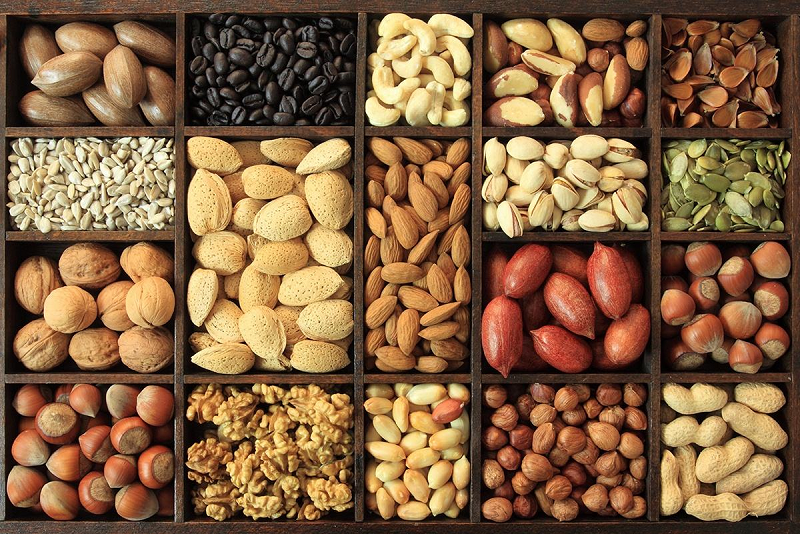
Because of their antioxidant content, nuts are associated with a lower risk of heart disease, high blood pressure, and stroke. Certain nuts, including almonds and pistachios, have also been linked in some studies to modest improvements in waist circumference when eaten as part of a calorie-conscious diet.
Chia Seeds
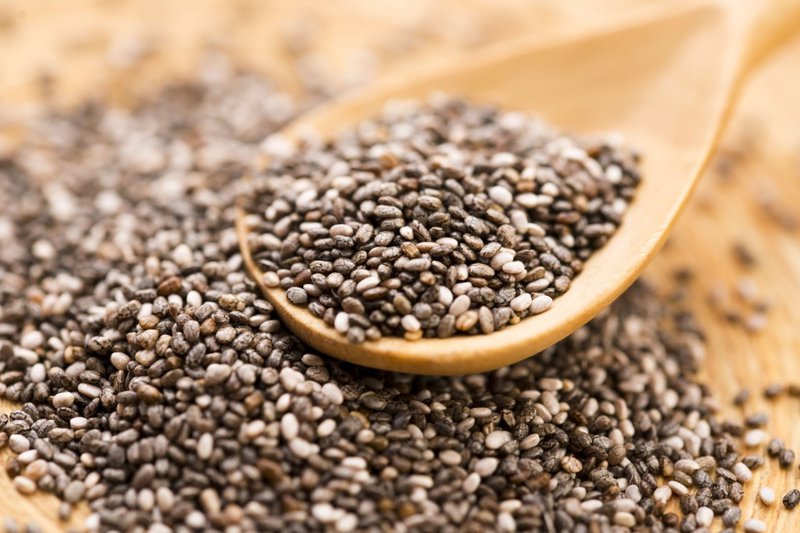
A 28-gram (1-ounce) serving of chia seeds contains roughly 9 grams of fat, with most of their calories coming from fat. Chia seeds are a good source of omega-3 fatty acids (specifically ALA), and are also associated with more stable blood sugar levels and anti-inflammatory effects.
Olive Oil
Olive oil is primarily made up of monounsaturated fat, along with vitamins E and K and beneficial antioxidants. Its flavor and versatility make it suitable for cooking, frying, and salad dressings alike.
Olive oil’s benefits include supporting liver and gallbladder health, helping reduce fatty liver risk, and supporting digestive regularity. It’s also been studied for its role in supporting healthy blood sugar levels, its antibacterial properties, and its potential to support bone health.

Fish is another excellent way to work more healthy fat into your diet — for a closer look at what fish offers nutritionally, see this breakdown of the lesser-known nutritional benefits of fish. For more on how fat fits alongside carbohydrates and protein in your overall diet, see our guide to understanding macronutrients.
The Bottom Line
Not all fat is created equal. Prioritizing unsaturated fats — monounsaturated and polyunsaturated, including omega-3 and omega-6 — while limiting saturated fat and avoiding trans fat as much as possible is a well-supported approach for supporting heart health and overall well-being. Building meals around foods like olive oil, avocados, nuts, fatty fish, and eggs makes it easier to meet your fat needs within recommended ranges. Anyone with existing cardiovascular risk factors or other health conditions should talk with a doctor or registered dietitian before making significant changes to their fat intake.
Frequently Asked Questions
What are the main types of dietary fat?
Dietary fat falls into four broad categories: monounsaturated fats, polyunsaturated fats (including omega-3 and omega-6), saturated fats, and trans fats. Monounsaturated and polyunsaturated fats are generally considered heart-healthy, while saturated fat should be limited and trans fat avoided as much as possible.
How much fat should I eat per day?
The USDA's Acceptable Macronutrient Distribution Range suggests 20% to 35% of total daily calories from fat for adults. On a 2,000-calorie diet, that's about 400-700 calories, or roughly 44-78 grams of fat per day. Within that total, saturated fat should be limited to less than 10% of daily calories.
What foods contain healthy fats?
Foods rich in healthy fats include olive oil, avocados, nuts, chia seeds, fatty fish like salmon and tuna, eggs, and dark chocolate with a high cocoa content. These provide monounsaturated fat, polyunsaturated fat, or both, along with other beneficial nutrients.
What is the ideal ratio of omega-6 to omega-3?
Some researchers suggest a ratio of roughly 1:1 to 4:1 (omega-6 to omega-3) may be more favorable for reducing chronic disease risk, compared with the 15:1 to 20:1 ratio common in a typical Western diet. However, this topic is still debated among nutrition scientists, and no single ratio has been established as universally optimal.
Which fats should I limit or avoid?
Saturated fat (found in butter, fatty meat, and full-fat dairy) should be limited to less than 10% of daily calories, and trans fat (found in some fried and processed foods) should be avoided as much as possible, since both are linked to higher LDL cholesterol and increased cardiovascular risk.
References
- U.S. Department of Agriculture, Dietary Guidelines for Americans, 2020-2025 — Acceptable Macronutrient Distribution Ranges.
- American Heart Association — Dietary Fats and cardiovascular health recommendations.
- National Institutes of Health, Office of Dietary Supplements — Omega-3 Fatty Acids Fact Sheet.
- Simopoulos, A.P., “The Importance of the Omega-6/Omega-3 Fatty Acid Ratio in Cardiovascular Disease and Other Chronic Diseases,” Experimental Biology and Medicine.
- USDA FoodData Central — nutrient profiles for eggs, avocado, nuts, and chia seeds.