

A fresh grip wrap makes a real difference in how your racket feels — better tackiness, less slipping, and more comfort during long matches. It’s a simple skill to learn at home with the right technique. Here’s a clear, step-by-step guide.
Overgrip vs. Replacement Grip: What’s the Difference?
Before you start, it helps to know which type of grip you’re working with:
- Overgrip: A thin, tacky wrap applied over your racket’s existing base grip. It’s the most common choice for regular maintenance, since it’s inexpensive and quick to replace — many players swap it out every few sessions.
- Replacement grip: A thicker wrap that replaces the base grip entirely, typically changing the handle’s feel and thickness more noticeably. This is used less often, mainly when the original grip is worn out or you want to adjust handle size.
The steps below work for both, though overgrips are simpler and more forgiving for beginners to practice with.
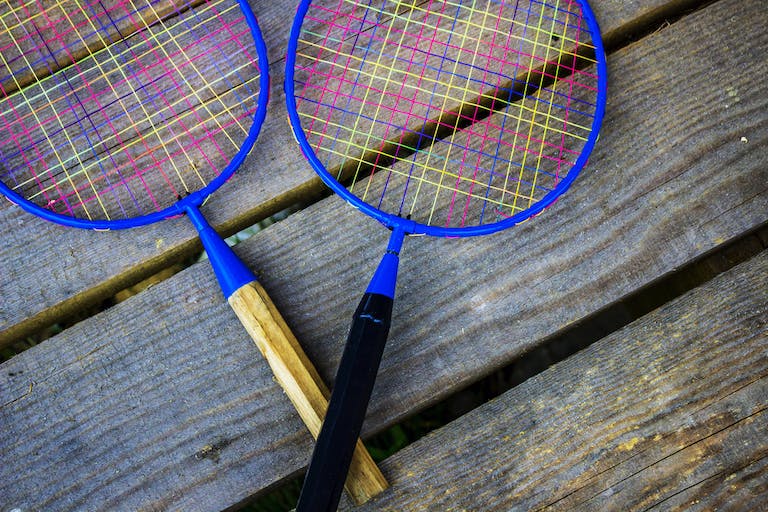
What You’ll Need
- A new overgrip or replacement grip
- Scissors (some grips include a built-in cutting edge)
- The finishing tape usually included with the grip
Step-by-Step: How to Wrap a Badminton Racket Handle
Step 1: Remove the Old Grip (If Replacing)
If you’re replacing a worn grip rather than adding a fresh overgrip on top of an intact one, carefully unwind and remove the old wrap, along with any old finishing tape. Wipe down the handle to remove any residue before starting fresh.
Step 2: Position the New Grip
Most grips have an angled or notched end designed to sit at the base of the handle, near the butt cap. Line this end up at the bottom of the handle before you start wrapping.
Step 3: Wrap From the Bottom Upward
Begin wrapping at the base of the handle, spiraling upward toward the racket head. Keep the tape at a consistent angle and apply steady, even tension as you go — not so tight that it stretches the tape thin, and not so loose that it leaves gaps.
Step 4: Maintain a Slight, Even Overlap
Each wrap around the handle should overlap the previous layer slightly — usually by about a quarter of the tape’s width. Consistent overlap is what gives the finished grip an even, comfortable surface, so try to keep the same angle and overlap amount throughout rather than adjusting partway through.
Step 5: Finish at the Top
Continue wrapping until you reach the top of the handle, near where it meets the racket shaft. Cut off any excess tape rather than folding it over awkwardly.
Step 6: Secure With Finishing Tape
Use the thin finishing tape included with most grips to wrap tightly around the very top of the grip a few times, securing the end in place so it doesn’t unravel during play.

Tips for a Better Result
- Keep tension consistent: Uneven tension is the most common cause of a lumpy or uncomfortable finished grip.
- Don’t overthink the angle: A slight spiral with consistent overlap matters more than hitting an exact, precise angle — comfort and consistency are what count.
- Replace overgrips regularly: Since they wear out and lose tackiness with regular play and sweat exposure, many players replace them every few sessions to a few weeks, depending on how often they play.
- Practice on an old racket first: If you’re new to this, wrapping a spare or older racket a few times before doing your main racket helps build the muscle memory for consistent tension and overlap.
Wrapping your own racket grip is a quick, inexpensive skill that keeps your equipment feeling fresh and comfortable — most players get the hang of it within a few tries. (For more on getting the most out of your equipment, see our guides on popular badminton racket types and 7 basic badminton techniques every player should know.)
Frequently Asked Questions
How often should I replace my badminton grip?
Overgrips are typically replaced every few sessions to a few weeks, depending on how often you play and how much you sweat, since they lose tackiness over time. Base/replacement grips last much longer and are usually only replaced when visibly worn out.
What’s the difference between an overgrip and a replacement grip?
An overgrip is a thin layer wrapped over your racket's existing grip, mainly for tackiness and easy replacement. A replacement grip replaces the base grip entirely and is used less frequently, mainly when the original grip wears out.
Which direction should I wrap the grip tape?
Start at the bottom of the handle and spiral upward toward the racket head, keeping a consistent angle and slight overlap throughout. The exact angle matters less than keeping your tension and overlap even the whole way up.
Do I need any special tools to wrap a badminton grip?
No — just the grip itself, a pair of scissors, and the finishing tape that usually comes included with the grip.
Can wrapping my own grip damage my racket?
No, grip wrapping is a safe, low-risk maintenance task that only affects the handle covering, not the racket's frame or performance characteristics. If your first attempt doesn't look perfect, you can simply unwrap and try again.
References
- USA Badminton — equipment maintenance guidance for players (usabadminton.org).
- Badminton World Federation (BWF) — official equipment regulations (bwfbadminton.com).