

Sleep is essential at every age, but children need considerably more of it than adults to support healthy growth and development. This guide walks through how much sleep kids typically need at each stage, what’s appropriate for a 10-year-old specifically, common sleep issues at this age, and practical ways to help your child sleep better.
Why Sleep Matters So Much for Children
Sleep trouble can be especially disruptive around the start of the school year, leaving both kids and parents exhausted. Consistently inadequate sleep can affect a child’s mood, concentration, and overall growth over time — growth hormone is released in pulses during deep sleep, so consistent, adequate sleep (rather than any single “magic hour”) is what supports healthy development.
As Vicki Dawson of The Children’s Sleep Charity has put it, sleep plays a critical role in helping children reach their full potential across every part of their lives.
How Much Sleep Do Children Need, by Age?
Newborns (0 to 4 weeks)
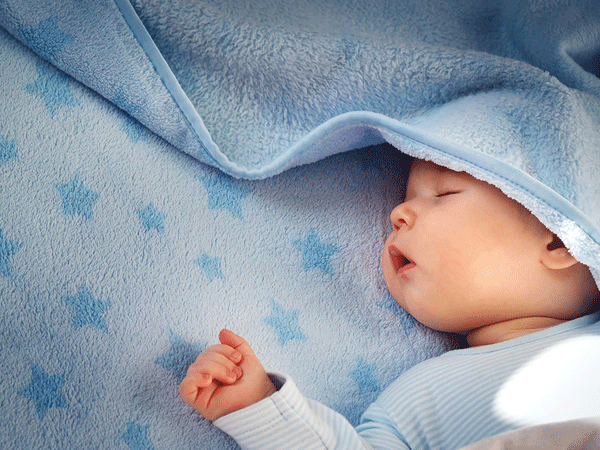
Newborns typically sleep about 14 to 17 hours a day, but in short stretches of 2 to 4 hours at a time. Since babies haven’t yet developed a mature internal body clock, their sleep isn’t synced with day and night.
1 to 4 Months: About 12 to 16 Hours a Day

Around 6 weeks, babies start to develop more consistent patterns, with longer stretches of sleep — often 4 to 6 hours — more common at night. This is when babies begin distinguishing day from night, which gradually reduces confused sleep-wake cycles.
4 Months to 1 Year: About 12 to 16 Hours a Day
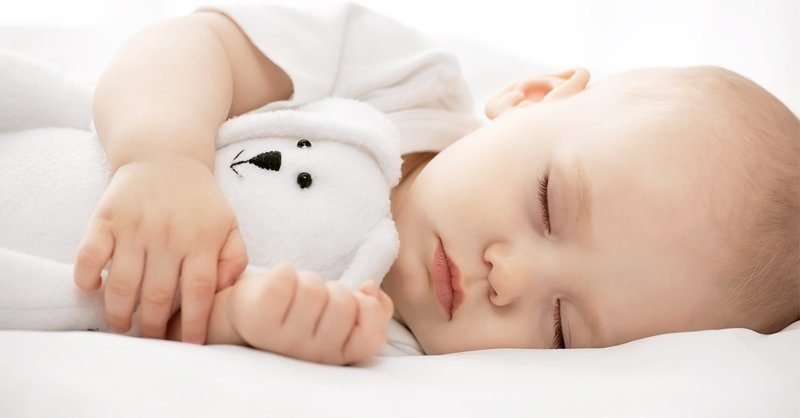
Most babies in this range get somewhere around 12 to 15 hours of total sleep, including naps. This is an important stage for building healthy sleep habits, since sleep patterns start to look more structured and adult-like. Newborns typically nap three times a day, gradually dropping to two naps by around 6 months, with most babies beginning to sleep through the night (with some individual variation) by this stage.
1 to 2 Years: About 11 to 14 Hours a Day
Toddlers typically drop their morning nap somewhere between 15 and 18 months, settling into a single afternoon nap. Total daily sleep, including that nap, generally falls in the 11-to-14-hour range, though high activity levels sometimes mean toddlers get a bit less than the ideal amount.
3 to 5 Years: About 10 to 13 Hours a Day

Children this age typically go to bed between 7 and 9 p.m. and wake between 6 and 8 a.m. An afternoon nap often continues to be helpful for overall mood and daytime functioning at this stage.
6 to 12 Years: About 9 to 12 Hours a Day
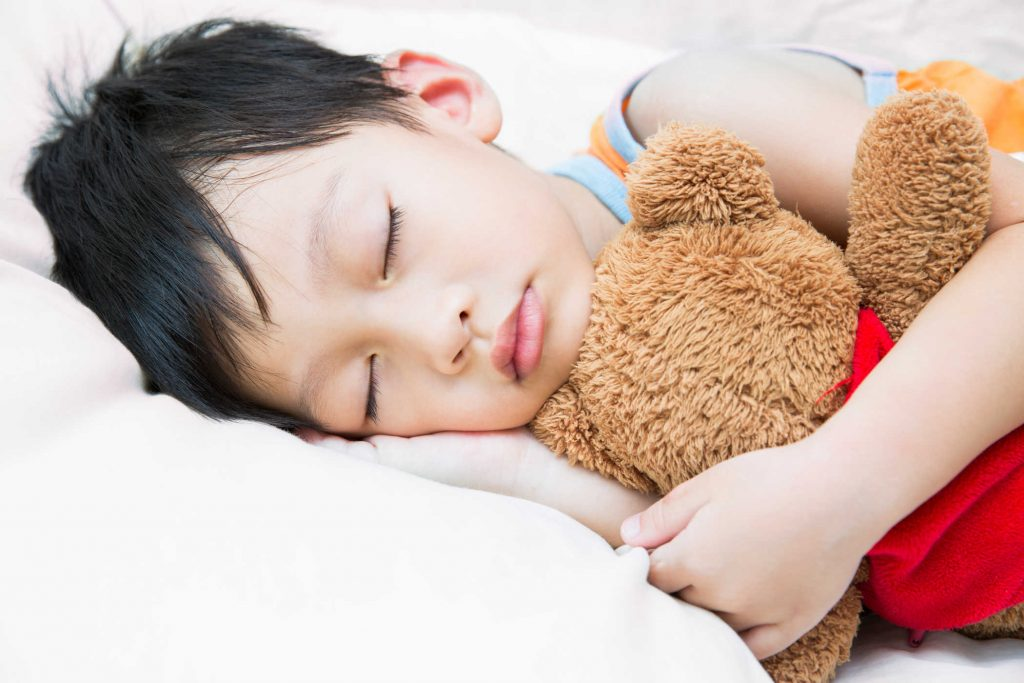
According to the American Academy of Pediatrics and the CDC, school-age children need 9 to 12 hours of sleep a night. As kids get older within this range, school, social, and family activities tend to push bedtime a bit later — many 12-year-olds are heading to bed closer to 9 p.m.
13 and Older: About 8 to 10 Hours a Day
Teenagers need somewhat less sleep than younger children, but still more than adults — 8 to 10 hours a night is the general recommendation as they take on more adult-like schedules and responsibilities.
How Much Sleep Does a 10-Year-Old Need?
A 10-year-old falls within the 6-to-12 age bracket, which the American Academy of Pediatrics and CDC recommend get 9 to 12 hours of sleep a night. Most 10-year-olds do well somewhere in the 9-to-11-hour range, balancing school, activities, and downtime. Sleep plays an important role in supporting healthy growth, mood, and learning at this age, especially as kids approach the pre-teen years.
Common Sleep Issues in 10-Year-Olds
Trouble Falling Asleep
Many kids struggle to fall asleep due to fear or anxiety — of the dark, of being alone, or about something specific on their mind. A calm, reassuring bedtime routine and a few minutes of connection with a parent before lights-out can help ease this and make it easier to settle.

Not Getting Enough Sleep
A child who wakes on their own before the alarm is generally getting adequate sleep. If you find yourself waking your child repeatedly every morning, that’s often a sign they’re not getting enough. Other signs of insufficient sleep include dozing off in the car, increased irritability, or frequent outbursts of frustration. If you notice this pattern, it’s worth working on a more consistent, earlier bedtime.
Night Terrors

Some children experience night terrors — episodes involving tossing, heavy breathing, a racing heart, sweating, or suddenly sitting up, often without waking fully or remembering it afterward. These can be alarming to witness, but they’re usually a normal, if unsettling, part of childhood sleep and are typically outgrown. If they happen very frequently, seem to be triggered by something specific, or are affecting your child’s daytime functioning, it’s worth mentioning to your pediatrician.
Sleepwalking and Nightmares
Sleepwalking and nightmares can also occur at this age, sometimes tied to fear of the dark or a stressful change in a child’s life, like moving, changing schools, or a parents’ separation. Open conversations about what’s going on in your child’s life can help identify and address any underlying stress.

Sleepwalking can involve more than just getting out of bed — some children talk, sit up, or repeat small movements like rubbing their eyes or touching their clothes, all without being aware of it or remembering it the next day. Having your child use the bathroom right before bed may help reduce episodes linked to a full bladder, though sleepwalking has multiple possible triggers, including overtiredness and irregular sleep schedules.
How to Help Your Child Sleep Better
- Shift bedtime gradually: If your child struggles with an earlier bedtime, move it 15 to 20 minutes earlier every few days rather than all at once.
- Keep a consistent schedule: Try to keep weekend bedtimes and wake times within about 30 to 45 minutes of the weekday schedule to avoid a “social jet lag” effect.
- Power down screens early: Turning off TVs, tablets, and phones at least 60 minutes before bed gives melatonin levels time to rise naturally.
- Limit caffeine and sugary drinks: Especially in the afternoon and evening, since both can delay sleep onset.
- Prioritize daily physical activity: At least an hour of activity a day supports better sleep, and outdoor play — especially in the morning — helps regulate the body’s natural circadian rhythm through exposure to natural light.
Every child’s exact sleep needs vary a bit, but the ranges above are a solid guide for what’s healthy at each age. For a 10-year-old, aiming for roughly 9 to 11 hours a night, alongside a consistent routine, is a good target. (If your child has ongoing trouble falling or staying asleep, our guide on sleep troubles in school-age children covers common causes in more depth, and our guide to snoring and sleep apnea is worth a look if snoring is part of the picture.) This article is intended for general education and isn’t a substitute for personalized medical advice from your child’s pediatrician.
Frequently Asked Questions
How many hours of sleep does a 10-year-old need?
According to the American Academy of Pediatrics and CDC, children ages 6 to 12 need 9 to 12 hours of sleep a night. Most 10-year-olds do well somewhere in the 9-to-11-hour range.
What time should a 10-year-old go to bed?
There's no single right bedtime — it depends on your child's wake time and how much total sleep they're getting. Many 10-year-olds do well with a bedtime between 8 and 9:30 p.m., adjusted based on their morning wake-up time.
Are night terrors in a 10-year-old something to worry about?
Usually not. Night terrors are a common, if alarming-looking, parasomnia that most children outgrow. They're typically not a cause for concern unless they happen very frequently or affect your child's daytime functioning, in which case it's worth mentioning to your pediatrician.
How can I tell if my child isn’t getting enough sleep?
Signs include needing to be woken up repeatedly each morning, dozing off during the day (like in the car), increased irritability, or frequent emotional outbursts. A child who wakes up on their own before the alarm is usually getting adequate sleep.
Does screen time before bed really affect a child’s sleep?
Yes. Screens emit blue light that can delay the natural rise of melatonin, the hormone that signals it's time to sleep. Turning off screens at least 60 minutes before bed can make falling asleep easier.
References
- American Academy of Pediatrics — recommended sleep amounts by age (healthychildren.org).
- Centers for Disease Control and Prevention — sleep recommendations for children (cdc.gov).
- National Sleep Foundation — sleep duration recommendations by age group (thensf.org).
- Nemours KidsHealth — night terrors, sleepwalking, and childhood parasomnias (kidshealth.org).