
Lower abdominal pain at 35 weeks pregnant is common, and in most cases it’s simply a sign that your body is adjusting to a growing baby in the final stretch of pregnancy. Still, it’s worth understanding what’s normal and what’s worth calling your doctor about, since a small number of causes do need prompt attention. (For a broader look at what to expect this close to your due date, see our essential guide for the final month of pregnancy.)
Common Causes of Lower Abdominal Pain in the Third Trimester
By 35 weeks, most lower abdominal discomfort comes from ordinary physical changes rather than a medical problem. Here are the most common causes.
Braxton Hicks Contractions
Many women don’t realize that Braxton Hicks contractions — sometimes called “practice contractions” — are one of the most common causes of lower abdominal tightness or pain in the third trimester. These are irregular, usually painless or mildly uncomfortable tightenings of the uterus that come and go without a set pattern and don’t get closer together over time. They’re different from true labor contractions, which become regular, progressively stronger, and closer together. Staying hydrated, changing position, and resting on your side often ease Braxton Hicks contractions.
Constipation
Pregnancy hormones, particularly progesterone, slow down movement through the digestive tract, and the growing uterus puts additional pressure on the intestines. Together, these changes make constipation common in the third trimester and a frequent source of lower abdominal discomfort.
Eating a fiber-rich, balanced diet, staying well hydrated, and getting light, doctor-approved exercise can help. Talk to your doctor before starting any laxative or fiber supplement during pregnancy.

Round Ligament and Abdominal Stretching
As the uterus and baby grow, the ligaments and skin supporting the abdomen stretch, which can cause tightness, itching, or a pulling sensation, especially with sudden movement. This is a normal part of the third trimester. Gentle massage, moisturizing lotion, warm (not hot) baths, and changing positions slowly can help ease the discomfort.
Weight Gain and Pressure on the Abdomen
Healthy pregnancy weight gain is expected and necessary, but rapid or excessive weight gain can increase strain on the abdomen and contribute to discomfort resembling menstrual cramps. Excess weight gain during pregnancy is also associated with a higher likelihood of gestational diabetes and other complications, which is why prenatal visits typically include weight tracking. Your doctor can tell you what a healthy weight gain range looks like for your specific pregnancy.

Gastroesophageal Reflux (Heartburn)
By 35 weeks, the growing baby puts pressure on the stomach, which can push stomach acid upward and cause a burning sensation behind the breastbone. Eating smaller meals, avoiding acidic or fatty foods close to bedtime, and staying upright after eating can help. Ask your doctor about pregnancy-safe antacid options if symptoms are frequent or severe.

General Uterine Pressure
As the baby grows, the uterus presses on nearby organs and ligaments, which can cause a dull, generalized ache that shifts with movement or position. Resting, especially lying on your side, often helps relieve this type of discomfort.

Causes That Need Prompt Medical Attention
A smaller number of causes of abdominal pain in the third trimester require timely evaluation. Being aware of them helps you know when to call your doctor rather than wait it out.
Preterm Labor
At 35 weeks, your baby is considered late preterm — labor at this stage is still earlier than the full-term range of 39 to 40 weeks. Signs of preterm labor include contractions that come at regular, shortening intervals, lower back pain that comes in waves, pelvic pressure, a change in vaginal discharge, or fluid leaking from the vagina. If you notice these signs, call your doctor or go to labor and delivery promptly — many cases of preterm labor can be slowed or managed with timely care.
Liver and Gallbladder Issues (Cholestasis of Pregnancy)
Pain in the upper right abdomen, especially with intense itching (often on the palms and soles), nausea, or yellowing of the skin or eyes, can point to intrahepatic cholestasis of pregnancy, a liver condition caused by hormonal changes. It needs prompt diagnosis, since untreated cholestasis is associated with risks to the baby, and doctors sometimes recommend earlier delivery to reduce those risks.

Placental Abruption
Placental abruption occurs when the placenta begins separating from the uterine wall before delivery, affecting roughly 1% of pregnancies. It typically causes sudden, intense abdominal or back pain along with a firm, tender uterus, and often vaginal bleeding, though bleeding isn’t always visible. This is a medical emergency requiring immediate care, since it can seriously affect the baby’s oxygen and nutrient supply.
Urinary Tract Infections
UTIs are relatively common during pregnancy and can cause lower abdominal or pelvic pain along with a burning sensation during urination, cloudy or foul-smelling urine, or blood in the urine. Left untreated, a UTI can progress to a kidney infection and raise the risk of preterm labor, so prompt treatment with a pregnancy-safe antibiotic is important.

Appendicitis
Appendicitis is uncommon in pregnancy but can be harder to diagnose in the third trimester, because the growing uterus shifts the appendix upward and to the side, changing where pain is typically felt. This delay in diagnosis is part of why appendicitis during pregnancy carries higher risk than it does otherwise. Right-sided abdominal pain along with loss of appetite, nausea, or vomiting should be evaluated promptly.

Preeclampsia
Preeclampsia is a pregnancy complication involving high blood pressure and signs of organ stress, most often emerging after 20 weeks and becoming more common as the third trimester progresses. Along with abdominal pain, watch for:
- Protein in the urine (usually detected at prenatal visits)
- Severe or persistent headache
- Vision changes: blurred vision, light sensitivity, or temporary vision loss
- Pain in the upper abdomen or under the right ribs
- Nausea or vomiting
- Sudden swelling in the face, hands, or feet, or rapid weight gain
- Shortness of breath
Preeclampsia can escalate quickly and affects both mother and baby, so any combination of these symptoms warrants immediate medical attention rather than waiting for your next scheduled appointment.

Decreased Fetal Movement
One of the most important things to monitor in the third trimester isn’t listed above because it isn’t a cause of pain, but it’s a critical companion symptom: a noticeable decrease in your baby’s movement. If lower abdominal pain is accompanied by fewer kicks or movements than usual, contact your doctor the same day — most practices recommend a simple kick-count check to confirm your baby is moving as expected.
Is Lower Abdominal Pain at 35 Weeks Dangerous?
On its own, mild to moderate lower abdominal discomfort at 35 weeks is common and not usually a sign of danger. What matters most is whether the pain comes with other warning symptoms. Contact your doctor promptly if lower abdominal pain is accompanied by any of the following:
- Vaginal bleeding, especially if heavy or accompanied by clots
- Regular, strengthening contractions before 37 weeks
- Fluid leaking from the vagina
- Severe or persistent pain that doesn’t ease with rest
- Fever, chills, nausea, or vomiting
- Decreased fetal movement
- Any of the preeclampsia symptoms listed above
These combinations are the real warning signs to act on quickly — not the pain itself, which is usually manageable and expected at this stage.

How to Ease Lower Abdominal Pain at 35 Weeks
When abdominal pain isn’t accompanied by any warning signs, these approaches can help you feel more comfortable:
- Try gentle, doctor-approved movement such as prenatal yoga, walking, or pelvic floor (Kegel) exercises — our guide to yoga exercises for the last month of pregnancy has some good options to start with.
- Take a warm (not hot) bath and stay well hydrated throughout the day.
- Rest on your side, using a pillow between your knees or under your belly for support.
- Apply a warm compress to areas of tightness or stretching discomfort.
- Eat smaller, more frequent meals to ease pressure on your stomach and reduce reflux.

When to Call Your Doctor
Beyond the general warning signs above, contact your doctor promptly if you notice:
- Intense pain concentrated on one side of the abdomen
- Vaginal bleeding of any amount
- Regular contractions before 37 weeks
- Fever, nausea, or vomiting
- High blood pressure readings, dizziness, shortness of breath, or severe headache
- Itching or yellowing of the skin or eyes
- A noticeable decrease in your baby’s movement
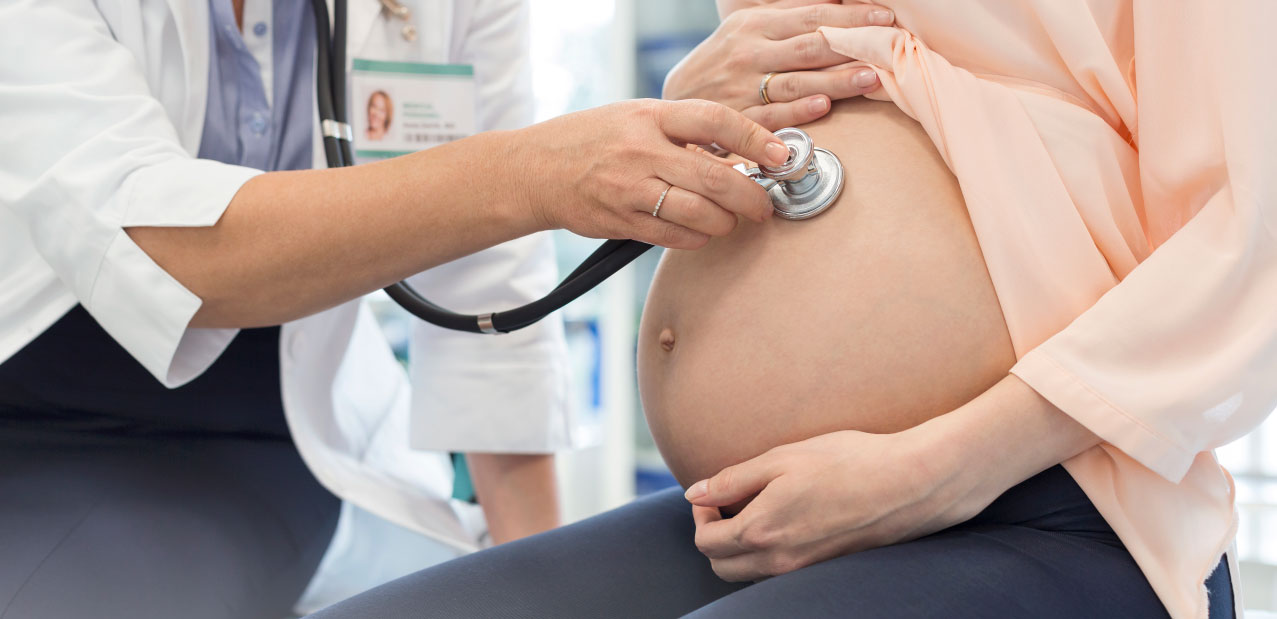
Lower abdominal pain at 35 weeks pregnant is common and usually a normal part of your body’s final preparations for birth. Still, it’s worth staying attentive to your body and knowing which symptoms call for prompt medical attention rather than waiting things out. This article is intended for general education and isn’t a substitute for personalized medical advice — when in doubt, it’s always reasonable to call your OB-GYN or midwife.
Frequently Asked Questions
Is lower abdominal pain normal at 35 weeks pregnant?
Yes, mild to moderate lower abdominal discomfort is common at 35 weeks and usually comes from causes like round ligament stretching, Braxton Hicks contractions, constipation, or general uterine pressure. It becomes a concern mainly when paired with symptoms like bleeding, regular contractions, fever, or decreased fetal movement.
How can I tell the difference between Braxton Hicks and real labor contractions?
Braxton Hicks contractions are irregular, don't follow a consistent pattern, and often ease with rest, hydration, or a change in position. True labor contractions become regular, progressively stronger, and closer together over time, and they don't go away with rest.
Is it normal to have contractions at 35 weeks?
Occasional, irregular Braxton Hicks contractions are normal at 35 weeks. However, regular contractions that increase in frequency or intensity before 37 weeks can be a sign of preterm labor and should be evaluated by your doctor promptly.
What abdominal pain symptoms at 35 weeks are considered an emergency?
Seek immediate care for sudden, severe abdominal pain with vaginal bleeding, a hard or tender uterus, symptoms of preeclampsia (severe headache, vision changes, upper abdominal pain), or a noticeable decrease in your baby's movement. These can signal placental abruption, preeclampsia, or other conditions that need urgent evaluation.
Should I worry if my baby’s movements slow down along with abdominal pain?
Yes. Decreased fetal movement combined with abdominal pain should be reported to your doctor the same day. Most practices can quickly check your baby's wellbeing with a kick count or monitoring, and it's always better to check than to wait.
Can a urinary tract infection cause lower abdominal pain at 35 weeks?
Yes. UTIs are relatively common during pregnancy and can cause lower abdominal or pelvic pain along with burning during urination or unusual-smelling urine. Prompt treatment is important, since an untreated UTI can lead to a kidney infection and increase the risk of preterm labor.
References
- American College of Obstetricians and Gynecologists (ACOG) — third trimester symptoms, preterm labor, and preeclampsia information (acog.org).
- Mayo Clinic — Braxton Hicks contractions and third trimester pregnancy symptoms (mayoclinic.org).
- March of Dimes — signs of preterm labor and placental abruption (marchofdimes.org).
- National Institute of Diabetes and Digestive and Kidney Diseases (NIDDK) — urinary tract infections during pregnancy (niddk.nih.gov).