

Cucumbers are a familiar presence on dinner tables, salad bowls, and snack trays. But do they actually contain fiber, and is that fiber doing anything meaningful for your health? Below, we break down what cucumbers actually offer nutritionally, the health benefits backed by evidence, and the precautions worth knowing before eating them in large amounts.
Cucumbers and Fiber: What the Numbers Actually Show
Cucumbers, sometimes called “cukes,” are a staple in many households. But how much fiber do they really contain?

According to USDA FoodData Central, raw cucumber with the peel contains roughly 0.5 to 1 gram of dietary fiber per 100 grams — a modest amount compared to vegetables like broccoli or carrots, which contain two to three times as much fiber per serving. Cucumber’s fiber is mostly insoluble, the type that adds bulk to stool and supports regularity, with only trace amounts of soluble fiber.
Soluble fiber, where present in the diet more broadly, helps feed beneficial gut bacteria and can support a feeling of fullness. Insoluble fiber, the type more prominent in cucumbers, helps move food through the digestive tract and supports regular bowel movements. Because cucumber isn’t a particularly fiber-dense food, it’s best thought of as a light, hydrating contributor to daily fiber intake rather than a primary source.
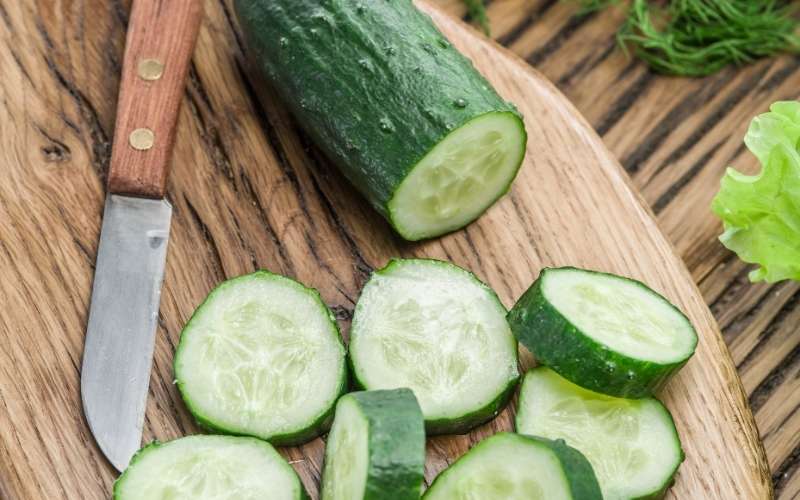
Beyond fiber, cucumbers are made up of about 95 percent water and provide small amounts of protein, calcium, iron, magnesium, phosphorus, and potassium, along with vitamins A, C, and K. It’s this combination — high water content plus a light nutrient profile — that gives cucumbers their reputation as a refreshing, low-calorie addition to the diet.
Health Benefits of Cucumbers
Cucumbers are a low-calorie, high-water vegetable, and several of their nutritional components are associated with general health benefits. As with most single foods, cucumbers work best as part of an overall balanced diet rather than as a stand-alone solution to any health condition.
Heart Health
Dietary fiber, more broadly, is recognized by the American Heart Association as supporting healthy blood cholesterol levels. Cucumbers also contain small amounts of potassium and magnesium, minerals associated with healthy blood pressure regulation. Some laboratory research has looked at compounds in cucumbers called cucurbitacins and sterols for their potential role in cardiovascular health, though this research is still early and shouldn’t be read as a proven treatment or prevention strategy for heart disease.
Note: This information is provided for general education and isn’t a substitute for professional medical advice.
Digestion and Weight Management Support
Because cucumbers are around 95 percent water and very low in calories and fat, they can help you feel full without adding many calories to a meal. Their fiber content, while modest, also contributes to a sense of fullness and supports regular digestion. For these reasons, cucumbers are a popular addition to weight-conscious eating patterns — though they work best paired with other fiber-rich and protein-rich foods rather than eaten alone.

Digestive Function
The fiber in cucumbers supports regular bowel movements and helps move waste through the digestive tract. A diet with adequate fiber from a variety of sources — cucumbers included — is associated with a lower likelihood of constipation, bloating, and indigestion.
Bone and Nerve Support
Cucumbers provide small amounts of calcium and vitamin K, both of which play a role in bone health. Vitamin K is also involved in blood clotting and has been studied for its role in nerve-related health, though cucumbers alone provide only a modest contribution toward daily vitamin K needs compared to leafy greens.
Hydration
With a water content close to 95 percent, cucumbers can be a helpful contributor to daily fluid intake alongside drinking water.

Water makes up roughly 50 to 60 percent of the adult human body and plays essential roles, including:
- Regulating body temperature
- Transporting oxygen and nutrients to cells
- Helping convert food into usable energy
- Supporting kidney function and waste removal
- Cushioning joints and reducing the risk of joint irritation
- Supporting brain and muscle function
Incorporating water-rich foods like cucumbers into your diet, alongside adequate water intake, can help support these everyday bodily functions.
Skin Health
Cucumbers contain water and small amounts of vitamins A, C, and antioxidants, nutrients generally associated with skin health when consumed as part of a balanced diet. Applying cucumber slices to the skin is a popular home remedy for a cooling, soothing sensation, though there’s limited clinical evidence that topical cucumber slices meaningfully reduce visible signs of aging.

A Budget-Friendly, Nutritious Choice
Cucumbers are refreshing, low in calories, and inexpensive, making them an easy vegetable to incorporate into a variety of meals and snacks.
Potential Risks of Eating Too Many Cucumbers
Cucumbers are generally safe and well tolerated, but eating them in very large amounts, or having specific health conditions, can come with some considerations.
Vitamin K and Blood-Thinning Medication

Cucumbers contain vitamin K, a nutrient involved in blood clotting. People taking blood-thinning medications such as warfarin are typically advised to keep their vitamin K intake consistent day to day, since large swings can affect how well the medication works. Rather than avoiding cucumbers altogether, anyone on blood thinners should talk with their doctor or pharmacist about how to fit vitamin K–containing foods into a stable, consistent diet.
Allergic Reactions
As with many fruits and vegetables, some people may have a food allergy to cucumbers, sometimes related to a cross-reactivity with ragweed pollen. Symptoms can include itching or swelling in the mouth, hives, or, in rare cases, difficulty breathing. Anyone who suspects a cucumber allergy should speak with an allergist rather than self-diagnosing.
Digestive Discomfort
Cucumbers contain compounds called cucurbitacins, which in some people can contribute to bloating or mild indigestion, particularly when eaten in large quantities. Eating cucumbers in moderation, and chewing thoroughly, can help minimize this.
Excess Water Intake

Because cucumbers are made up of roughly 95 percent water, eating unusually large quantities in a short period could theoretically contribute to fluid overload in people with underlying kidney or heart conditions. For most healthy people, however, this is not a realistic concern from food alone. Anyone with kidney disease, heart failure, or a condition requiring fluid restriction should follow their doctor’s specific dietary guidance rather than general food advice.
Tips for Eating Cucumbers Safely

Cucumbers are a nutritious, low-risk food for most people, but a few practical habits can help you get the most out of them:
Wash cucumbers thoroughly before eating: Like most fresh produce, cucumbers may carry pesticide residue or surface bacteria. Rinsing under running water and scrubbing the skin with a produce brush is recommended by food safety authorities; if you’re concerned about pesticide residue specifically, peeling the cucumber is an effective option.
Eat in moderation as part of a varied diet: There’s no need to limit cucumbers to a strict daily number — they’re low-calorie and generally well tolerated — but variety matters. Relying on cucumbers alone won’t meet your fiber or nutrient needs, so pair them with a range of other vegetables, fruits, and whole grains.
The peel and ends are edible: The skin and stem end of a cucumber are safe to eat and contain more fiber and nutrients than the flesh alone. Some people find the very end slightly bitter and choose to trim it off, which is a matter of taste rather than safety.
Be cautious with pickled or canned cucumbers: Pickled cucumbers can be high in sodium and may contain nitrosamines from the curing process. People managing high blood pressure, liver conditions, or heart disease should discuss pickled and canned vegetable intake with their doctor or a registered dietitian.
People with specific digestive sensitivities, kidney conditions, or chronic respiratory conditions who are unsure whether cucumbers fit their diet should check with their healthcare provider, since individual tolerance can vary.
So, do cucumbers have fiber? Yes — just not a large amount. Their real value lies in the combination of hydration, low calories, and a light but useful contribution to your daily nutrient intake. As with any food, cucumbers fit best into a varied, balanced diet rather than serving as a solution on their own.
References
- USDA FoodData Central — nutrient profile for raw cucumber, including fiber, vitamin, and mineral content (fdc.nal.usda.gov).
- American Heart Association — dietary fiber and cardiovascular health recommendations (heart.org).
- National Institutes of Health, Office of Dietary Supplements — vitamin K fact sheet, including interactions with blood-thinning medications (ods.od.nih.gov).
- U.S. Food and Drug Administration — safe produce handling and washing guidance (fda.gov).
Frequently Asked Questions
Do cucumbers really contain fiber?
Yes, but only a modest amount. Raw cucumber with the peel provides roughly 0.5 to 1 gram of fiber per 100 grams, according to USDA FoodData Central — noticeably less than vegetables like broccoli or carrots.
Is cucumber fiber soluble or insoluble?
Cucumber fiber is mostly insoluble, the type that adds bulk to stool and supports regular digestion, with only trace amounts of soluble fiber.
Can eating too many cucumbers be harmful?
For most healthy people, no. But very large amounts may cause bloating or mild digestive discomfort in some individuals, and people on blood-thinning medication or with kidney or heart conditions should talk to their doctor about how cucumbers fit into their specific diet.
Should people on blood thinners avoid cucumbers?
Not necessarily. Cucumbers contain vitamin K, which can interact with blood-thinning medications like warfarin. Rather than avoiding cucumbers entirely, it's best to keep vitamin K intake consistent day to day and follow guidance from a doctor or pharmacist.
Is it safe to eat cucumber peels and ends?
Yes. The peel and stem end are edible and contain more fiber and nutrients than the inner flesh. Some people trim the end because of its slightly bitter taste, which is a preference rather than a safety issue.