

A pleasant, natural scent is something most people want, and while showering and perfume are the obvious go-tos, what you eat can play a role too. Some of the effects here are well understood biologically; others are more anecdotal than proven. Here’s an honest breakdown of what’s actually behind body odor, and which foods are worth trying if you’re hoping to smell a little fresher.

Where Body Odor Actually Comes From
Sweat and body odor come down to two types of glands, each with a different job.
Eccrine Glands
These glands are spread across most of the body and are mainly responsible for regulating temperature. The sweat they produce is largely water and salt, so on its own it doesn’t cause much odor.
Apocrine Glands
Apocrine glands are concentrated in areas like the armpits and groin and become active around puberty, triggered by rising hormone levels — which is why body odor generally isn’t an issue for young children. Apocrine sweat contains proteins and fats that, when broken down by skin bacteria, produce the distinctive scent most people associate with body odor. It’s this bacterial breakdown — not the sweat itself — that actually causes the smell.
Foods That May Support a Milder Body Scent
Good hygiene, breathable clothing, and antiperspirant or deodorant do most of the heavy lifting here. Diet plays a smaller, more indirect role — mostly through hydration, digestion, and the breakdown products your body produces from certain foods. Some of the following have real mechanisms behind them; others are more anecdotal, and we’ve tried to be clear about which is which.
Lean White Fish
Mild, lean fish like halibut, perch, and basa are easy to digest and less likely to sit heavily in the gut compared to some other proteins. Note that this is really a “less likely to contribute to odor” point rather than a food that makes you smell better on its own — poor digestion in general (from any protein source) can occasionally contribute to sulfur-smelling gas or breath.

Lemons
Lemons are high in vitamin C and have a bright, clean scent, but eating lemon doesn’t disinfect your skin or mouth from the inside — that’s more a function of citric acid’s properties when applied topically, not digested. Where lemon may help indirectly is by supporting hydration when added to water, which supports saliva production and general oral freshness.

Apples
Apples don’t actually bleach or whiten teeth, but their crisp texture does mechanically help scrub away food residue and stimulate saliva production, which supports fresher breath — a genuinely useful habit after eating something pungent like garlic sauce or fish sauce.

Oranges
Oranges are rich in vitamin C and smell great while you’re eating them, but there’s no evidence that their aroma compounds get absorbed and re-emitted through your skin. Their real contribution is more about hydration and general nutrition than a direct “fragrance” effect.

Ginger
Ginger has a long history of use for digestive comfort, and settling the stomach may indirectly help with odor caused by acid reflux or indigestion. Its warming, aromatic quality is also commonly credited with leaving breath feeling fresher, though this is more anecdotal than clinically studied.

Cinnamon
Like ginger, cinnamon has traditional use for settling the stomach, and its aromatic oils have mild antibacterial properties in lab studies, which may support fresher breath. This is a smaller, supporting effect rather than a guaranteed fix.

Cilantro (Coriander)
Cilantro’s bright, herbal aroma comes from its own natural aromatic compounds, and its chlorophyll content (shared with most leafy greens) is often associated with a mild deodorizing effect in traditional wellness circles, though clinical evidence specifically for body odor is limited.

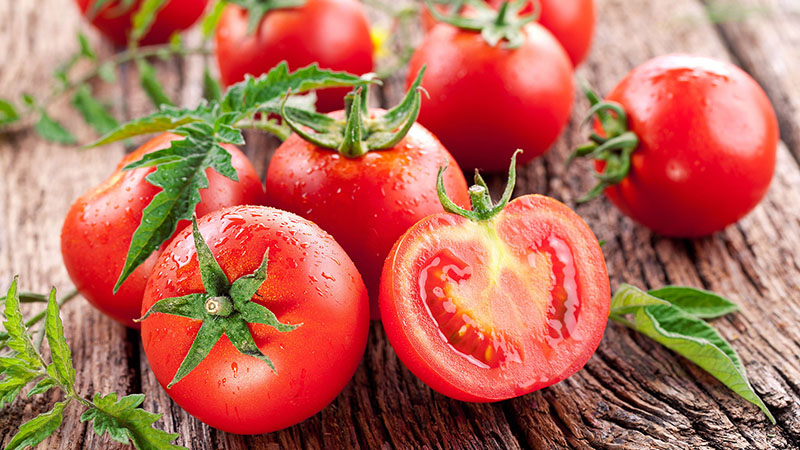
Tomatoes
Tomatoes are hydrating and nutrient-rich, which supports overall skin health, but the idea that they specifically “tighten pores” or directly regulate sweating isn’t well established. They’re a healthy addition to a balanced diet regardless.
Green Tea
Green tea’s polyphenols have some evidence for reducing oral bacteria and supporting fresher breath. Claims about it dramatically boosting glutathione and changing overall body scent are more speculative, but the oral health benefit alone makes it a reasonable choice.

Milk
There’s some real basis here: casein, a protein in milk, has been shown in small studies to help neutralize the sulfur compounds in garlic breath when consumed alongside it — which is why milk is often suggested as a chaser for garlicky meals, rather than a general all-purpose “fragrance” food.

Yogurt
Yogurt’s probiotics support gut health, and a healthier gut is generally linked to less digestive-related odor. It shares some of milk’s odor-neutralizing potential as well.

Dill Seeds
Chewing dill seeds after a meal is a traditional practice in parts of South Asia. The chewing action stimulates saliva production, which mechanically helps clear food particles and supports fresher breath — a genuinely useful habit, cultural origins aside.

Strawberries
Strawberries are hydrating and rich in vitamin C, both of which support a healthier mouth environment generally. As with other fruits on this list, treat this as a supporting habit rather than a guaranteed fix.

Watermelon
Watermelon’s high water content supports hydration and saliva production, both of which help keep the mouth environment fresher. Like the other fruits here, it’s a supporting player rather than a standalone solution.

Cornstarch (Topical Use)
Worth a quick clarification: cornstarch’s odor benefit isn’t from eating it, but from applying it topically. Dusted into shoes or on feet, its moisture-absorbing properties can genuinely help with foot odor.

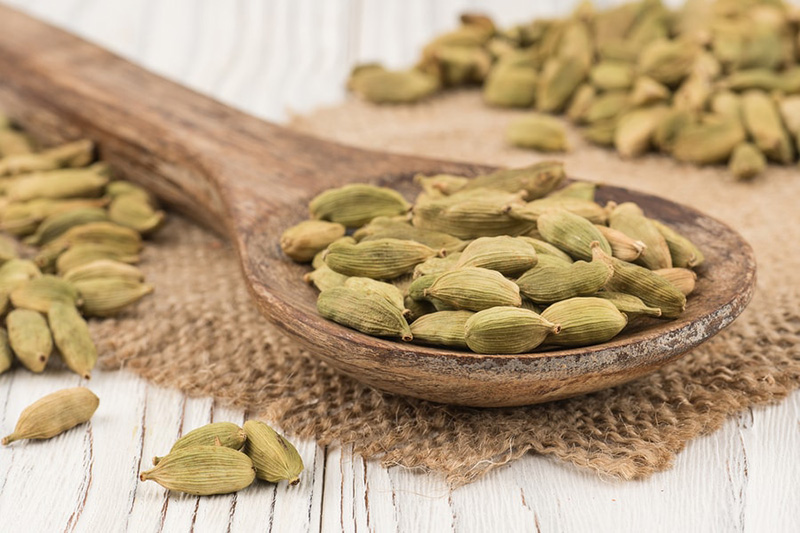
Cardamom
Cardamom has a pleasant, warm aroma and is traditionally chewed as a breath freshener in parts of South Asia and the Middle East. Its effect is mainly local (in the mouth) rather than something that transfers through the skin from digestion.
Foods and Drinks That Can Work Against You
Beer and Alcohol
Alcohol byproducts are partly eliminated through sweat, which can genuinely contribute to a noticeable odor, especially with regular or heavy drinking. Moderating intake and staying well hydrated with water helps offset this.

Wine
Similar to other alcoholic drinks, wine can contribute to next-day body odor for the same reasons. Balancing it with water and easing up on frequency helps.
Coffee
Caffeine can stimulate sweat gland activity and, in some people, contribute to a drier mouth, which allows odor-causing bacteria to build up more easily. If you notice this, staying hydrated alongside your coffee habit helps offset it.

Garlic and Onions
This one is well documented: garlic and onions contain sulfur compounds (including allicin) that get absorbed and eventually released through breath and, to a lesser extent, sweat, for several hours after eating. There’s no way to fully avoid this if you enjoy these foods — pairing them with milk, apples, or fresh herbs afterward can help take the edge off.

Cruciferous Vegetables
Cauliflower, cabbage, broccoli, and Brussels sprouts contain sulfur compounds that can contribute to odor in some people, particularly if eaten in large amounts. They’re still nutritionally valuable — there’s no need to avoid them, just be mindful before a big social event if you’re sensitive to the effect.
The Bottom Line
Diet has a real, if modest, role to play in body odor — mostly through hydration, digestion, and specific compounds like the sulfur in garlic and onions. But good hygiene, breathable fabrics, and the right antiperspirant or deodorant will always do more heavy lifting than any single food. If persistent body odor is a concern despite good hygiene habits, it’s worth mentioning to a doctor, since it can occasionally point to an underlying health issue worth checking.
If you’re building out a broader personal care routine, our guide on choosing the right facial cleanser is a good next read, and if you’re curious about other commonly repeated beauty claims, we’ve also fact-checked what vitamin E actually does for skin.