
Good nutrition is one of the most important, controllable factors in supporting healthy height growth — but putting together a genuinely balanced menu takes some planning. This guide walks through what actually belongs on a height-supportive weekly menu, plus a full 7-day sample plan to help you get started.
The Role of Nutrition in Height Growth
Genetics sets the outer limits of how tall a person can grow — twin studies generally attribute somewhere around 60 to 80 percent of height variation to genetics. Within that range, though, nutrition is one of the biggest levers available, especially during childhood and adolescence. A consistently balanced diet supports normal bone and cartilage development, helps maintain a healthy weight, and supports overall growth and development throughout the growing years.

What Belongs in a Height-Supportive Menu
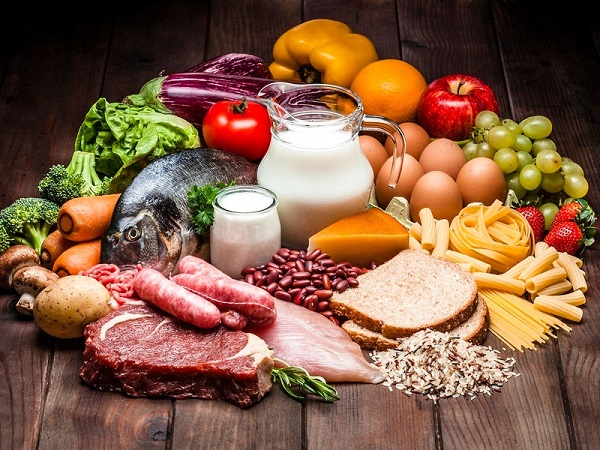
A well-balanced menu goes beyond just calcium — it should bring together all four core nutrient groups:
- Carbohydrates: rice, bread, sweet potatoes, fruit, noodles, and other starches for energy
- Protein: meat, fish, eggs, shrimp, crab, and beans to support tissue and bone growth
- Healthy fats: cooking oils, nuts, and modest amounts of butter, in moderation
- Vitamins and minerals: milk, cheese, leafy greens, root vegetables, and fruit, which supply calcium, iron, zinc, magnesium, and other micronutrients bone development depends on
As always, a pediatrician or registered dietitian can help tailor portions and specific choices to your child’s age, activity level, and any dietary restrictions.
Habits That Support a Height-Friendly Diet
- Don’t skip breakfast. A morning meal helps kickstart metabolism and sets up better nutrient absorption for the rest of the day.
- Go easy on processed snacks. Cakes, candy, and fried snacks tend to be high in added sugar and low in the nutrients that actually support growth — they’re fine occasionally, just not as a diet staple.
- Balance heavier meals with lighter, hydrating foods. Cucumbers, melon, and vegetable-based soups are good ways to round out calorie-dense meals.
- Moderate red meat. It’s a good protein source, but leaning on leaner proteins (fish, poultry, beans) more often helps limit excess saturated fat, which is worth watching for overall health.
- Stay hydrated. Around 6–8 glasses of water a day supports digestion and normal bodily function. Water itself won’t add height, but good hydration is part of an overall healthy routine.
A Sample 7-Day Height-Supportive Menu
Key nutrients to build meals around include calcium, protein, vitamin D, vitamin K2, vitamins A and C, zinc, magnesium, and phosphorus. Here’s a sample week to help with planning — adjust portions based on your child’s age and needs.
Day 1
- Breakfast: Oatmeal topped with sliced bananas and a glass of fortified orange juice
- Snack: Greek yogurt with mixed berries
- Lunch: Grilled chicken breast with steamed broccoli and quinoa
- Snack: Carrot sticks with hummus
- Dinner: Baked salmon with roasted sweet potatoes and a side salad
- Dessert: A bowl of mixed fruit
Day 2
- Breakfast: Whole wheat toast with avocado and poached eggs
- Snack: Almonds and dried apricots
- Lunch: Turkey wrap with lettuce, tomato, and whole grain tortilla
- Snack: Apple slices with almond butter
- Dinner: Grilled tofu with stir-fried vegetables and brown rice
- Dessert: A small portion of dark chocolate
Day 3
- Breakfast: Spinach and mushroom omelet with whole wheat toast
- Snack: Greek yogurt with honey and walnuts
- Lunch: Quinoa salad with mixed vegetables and grilled chicken
- Snack: Sliced cucumber with tzatziki
- Dinner: Baked cod with roasted asparagus and quinoa
- Dessert: Fresh berries with a small dollop of whipped cream
Day 4
- Breakfast: Smoothie with spinach, banana, almond milk, and a scoop of protein powder
- Snack: Cottage cheese with pineapple chunks
- Lunch: Lentil soup with a side of whole grain bread
- Snack: Celery sticks with peanut butter
- Dinner: Grilled lean steak with roasted Brussels sprouts and sweet potato mash
- Dessert: Yogurt parfait with granola and mixed fruit
Day 5
- Breakfast: Whole grain cereal with milk and sliced strawberries
- Snack: Trail mix with dried fruit and nuts
- Lunch: Grilled shrimp salad with mixed greens and quinoa
- Snack: Cherry tomatoes with mozzarella
- Dinner: Vegetable stir-fry with tofu and brown rice
- Dessert: A small portion of frozen yogurt with fresh fruit
Day 6
- Breakfast: Whole wheat pancakes topped with blueberries and a drizzle of honey
- Snack: Protein shake with almond milk and banana
- Lunch: Chickpea salad with mixed vegetables and a light vinaigrette
- Snack: Rice cakes with almond butter
- Dinner: Grilled chicken breast with roasted vegetables and quinoa
- Dessert: Baked apple slices with cinnamon and a dollop of Greek yogurt
Day 7
- Breakfast: Vegetable omelet with whole wheat toast
- Snack: Edamame
- Lunch: Tuna salad sandwich on whole grain bread with lettuce and tomato
- Snack: Sliced bell peppers with hummus
- Dinner: Baked white fish with steamed broccoli and brown rice
- Dessert: Fruit salad with a sprinkle of chia seeds
A few general principles to keep in mind as you plan: aim for balance across food groups rather than overloading on any single nutrient, include nutritious snacks between meals, and rotate your dishes regularly so your child gets a broad range of vitamins and minerals over time.
Foods Worth Including
- Chicken: a lean protein and zinc source that supports overall growth
- Eggs: protein plus vitamins A, D, B6, and B12, along with calcium, iron, and magnesium
- Carrots: rich in vitamin A, which supports eye health and general growth processes
- Spinach: a good source of fiber, iron, and calcium
- Bananas: a source of potassium and other minerals that support muscle function
- Fatty fish (tuna, salmon, mackerel): rich in omega-3s, plus calcium and other bone-supporting minerals
- Milk and dairy: reliable everyday sources of calcium, vitamin D, and vitamin A
- Soy foods (tofu, soy milk, natto): good plant-based calcium and protein, with natto in particular offering vitamin K2, which supports calcium utilization in bone
- Broccoli: vitamin C and fiber, along with a good calcium-to-calorie ratio for a vegetable
- Almonds: healthy fats, fiber, magnesium, and manganese
- Whole grains (brown rice, whole wheat): steady energy, fiber, iron, and magnesium
- Oatmeal: a filling, protein-containing whole grain that pairs well with dairy or fortified milk for extra calcium
- Lean beef: a solid protein and iron source
- Yogurt: protein plus calcium, magnesium, phosphorus, and potassium for bone metabolism
- Seafood: generally calcium-rich, though it’s worth watching for shellfish allergies
- Sweet potatoes: vitamin A and fiber, supporting digestion and gut health
- Berries: vitamin C, which supports collagen formation and tissue repair
- Dark leafy greens: calcium, fiber, and a range of vitamins that support overall development

Foods to Limit
Candy and sweets: Regularly eating a lot of added sugar contributes to excess weight gain over time. Carrying excess weight during childhood is associated with a higher chance of early puberty onset, which can shorten the overall window available for height growth — so it’s worth keeping sweets as an occasional treat rather than a daily habit.
High-fat, highly processed foods: These tend to be calorie-dense and can contribute to weight gain, with the same indirect concern around early puberty and growth timing. Processing can also strip out fiber and other nutrients that support digestion and calcium metabolism.
Excess salt: A high-sodium diet is linked to increased calcium excretion, so moderating salty foods helps the body hold onto the calcium it needs for bone health.
Alongside a thoughtful diet, consistent daily habits matter too: a regular, age-appropriate sleep schedule and regular physical activity both support healthy growth. Growth hormone is released in pulses during deep, slow-wave sleep — occurring earliest and most heavily within the first 60 to 90 minutes after falling asleep — so consistent, good-quality sleep matters more than hitting an exact bedtime. For more on this, see our full guide to sleep and height, and for a broader look at nutrition and lifestyle strategies by age, see natural ways to help your child grow taller.